Want Cleaner Fruits and Veggies? These 3 Simple Food Safety Tricks Are Worth Trying
Want cleaner fruits and vegetables? Discover 3 simple food-safety tricks for washing fresh produce at home, helping remove dirt, debris and surface contaminants before eating or cooking.
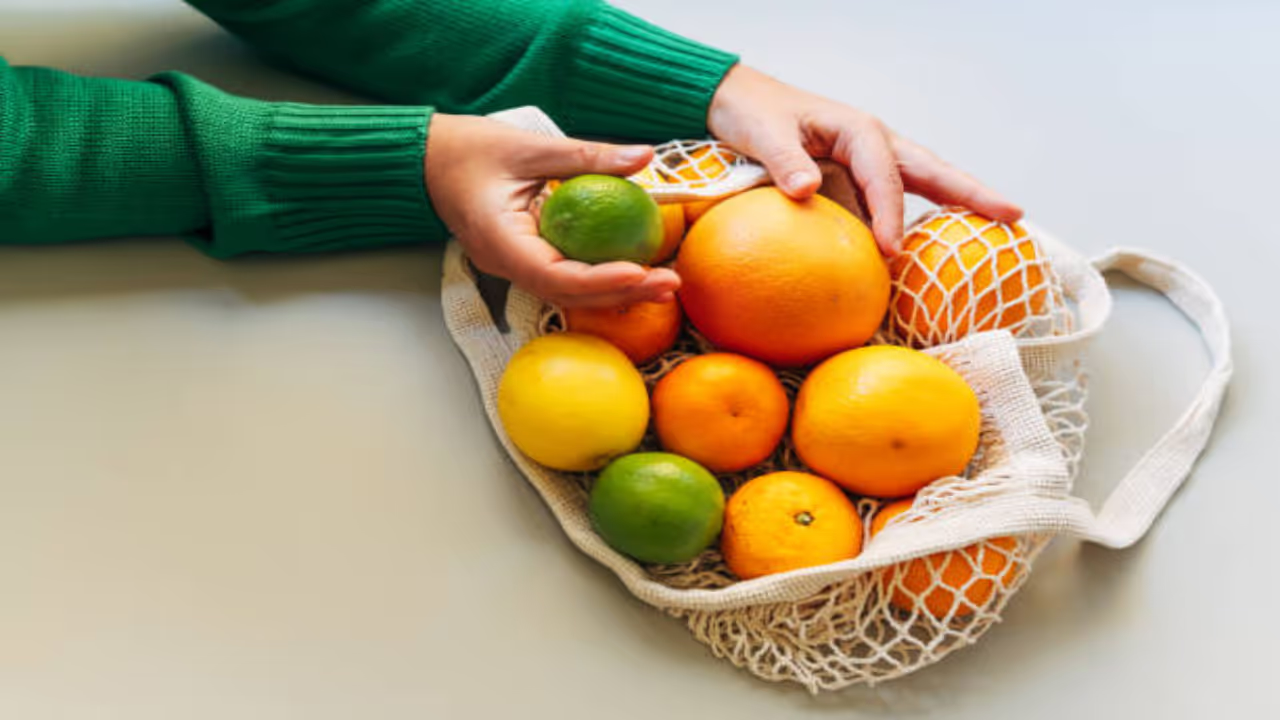
How should you wash fruits and vegetables?
Fruits and veggies are a must for a healthy diet, but you need to handle them correctly after buying. Germs from the soil, water, or even from people handling them can get on the surface. So, always give them a good wash under running tap water before you eat or cook. And remember, wash your hands with soap for at least 20 seconds before and after you touch the fruit or veggies.
Also read: How to Make Rotis That Stay Soft Longer: Easy Tips for Everyday Cooking


Instructions for washing fruits and vegetables
The first and safest method is just plain running water. Hold your fruits and veggies under the tap and gently rub them with your hands. For tough skin, like cucumbers or melons, you can use a clean vegetable brush to scrub them. Always wash them first, even if you're going to peel the skin. If you don't, germs from the outside can get onto the flesh when you cut it. After washing, drying them with a clean cloth or paper towel removes even more germs.
Also read: Home Smells Musty After You Return? Try This Easy 5-Minute DIY Room Freshener
How to wash fruits?
Here's the second big point: you don't have to use vinegar or baking soda. Food safety bodies don't usually recommend using vinegar-water or baking soda solutions for cleaning them at home. A thorough wash under plain running water is the standard method they suggest. While washing helps reduce some germs on the surface, it doesn't guarantee that every single germ is gone.
How to wash vegetables?
The third and most important rule is to never use soap or chemical cleaners. The US Food and Drug Administration (FDA) clearly warns against using soap, dishwashing liquid, or bleach on your produce. Why? Because some fruits and veggies have porous skin and can absorb these harmful chemicals. Also, there's no solid proof that those special 'vegetable washes' you see in stores are safe and effective for everything.
Also read: Bored of Traditional Hilsa? Try This Tangy Achari Ilish With Pumpkin Shoots for Fresh Twist
Cleaning fruits and vegetables
So, to keep your fruits and veggies safe at home, these basic steps are enough: wash your hands, wash them well under running water, scrub tough-skinned items, and pat them dry. Always cut away any spoiled or damaged parts. Remember, washing reduces germs but doesn't kill them all. That's why properly cooking your vegetables is the best way to lower the risk of food-related sickness.
Also read: Rakhi 2026 Outfit Ideas: 10 Elegant Ethnic Looks for Picture-Perfect Celebration
Explore the latest Lifestyle News covering fashion, wellness, travel, Food and Recipes, and more. Stay updated with trending Health News, fitness tips, and expert insights to inspire your daily living. Discover personalized lifestyle trends that keep you stylish and informed. Download the Asianet News Official App from the Android Play Store and iPhone App Store for everything that adds value to your everyday life.