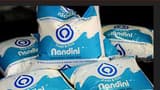
Karnataka hotels are set to increase coffee and tea prices by ₹2 to ₹3 per cup, citing higher costs of sugar, jaggery, milk and other essentials. Prices of badam milk and Horlicks are also expected to rise.
Just when people are already struggling with rising prices and increasing household expenses, hotel owners are preparing to deliver another blow to customers. Citing a sharp rise in the prices of sugar, jaggery, milk and other essential commodities, the Hotel Owners' Association has decided to increase the prices of coffee and tea by ₹2 to ₹3 per cup. The revised rates are expected to come into effect soon at major hotels and darshinis across the state's major cities.
The price hike will not be limited to coffee and tea. Popular hot beverages such as badam milk and Horlicks are also set to become more expensive. According to the association, the revised prices will vary depending on the locality.
Here's A Look At The Revised Prices
Beverage Current Price Revised Price Expected Hike
Related Articles

- Coffee ₹15 to ₹20 ₹17 to ₹22 ₹2 to ₹3
- Tea ₹15 to ₹20 ₹17 to ₹22 ₹2 to ₹3
- Badam Milk ₹20 to ₹25 ₹22 to ₹27 ₹2 to ₹3
- Horlicks ₹20 to ₹30 ₹23 to ₹33 ₹2 to ₹3
Why Are Hotel Owners Increasing Prices?
Hotel owners have cited several reasons for the proposed increase in beverage prices.
They said the prices of sugar and jaggery have increased significantly over the past month. Operating costs have also risen due to higher milk prices, commercial LPG cylinder rates, building rents and staff salaries.
Hotel owners claim that rising expenses have affected their businesses, with some establishments operating at a loss. The association has also warned that prices of sweets and other sweet dishes could be increased in the coming days if input costs continue to rise.
'Why Don't You Lower Prices When Costs Fall?': Customers Furious
The proposed price hike has left many customers unhappy, with people questioning whether hotels reduce prices when the cost of raw materials comes down.
Customers have argued that hotels are quick to increase prices whenever the cost of commercial LPG cylinders, milk or vegetables rises, but rarely reduce their rates when input costs fall.
"The moment the price of a commercial cylinder, milk or vegetables goes up slightly, hotels immediately increase their rates. But when the market price of these items comes down, why does no hotel ever reduce its prices?" customers have questioned.
Many have also asked whether it is fair to make such price increases permanent, saying repeated hikes could put an additional burden on consumers who are already dealing with rising living costs.