
Swine flu cases are increasing in Himachal Pradesh's Kangra district, with seven new cases reported in two days. Health officials have detected over 33 cases in six months but state there is no outbreak, urging caution and preventive measures.
Swine Flu Cases in Kangra
Swine flu cases are showing an increase in the Kangra district of Himachal Pradesh, with seven new cases reported over the past two days, officials said.
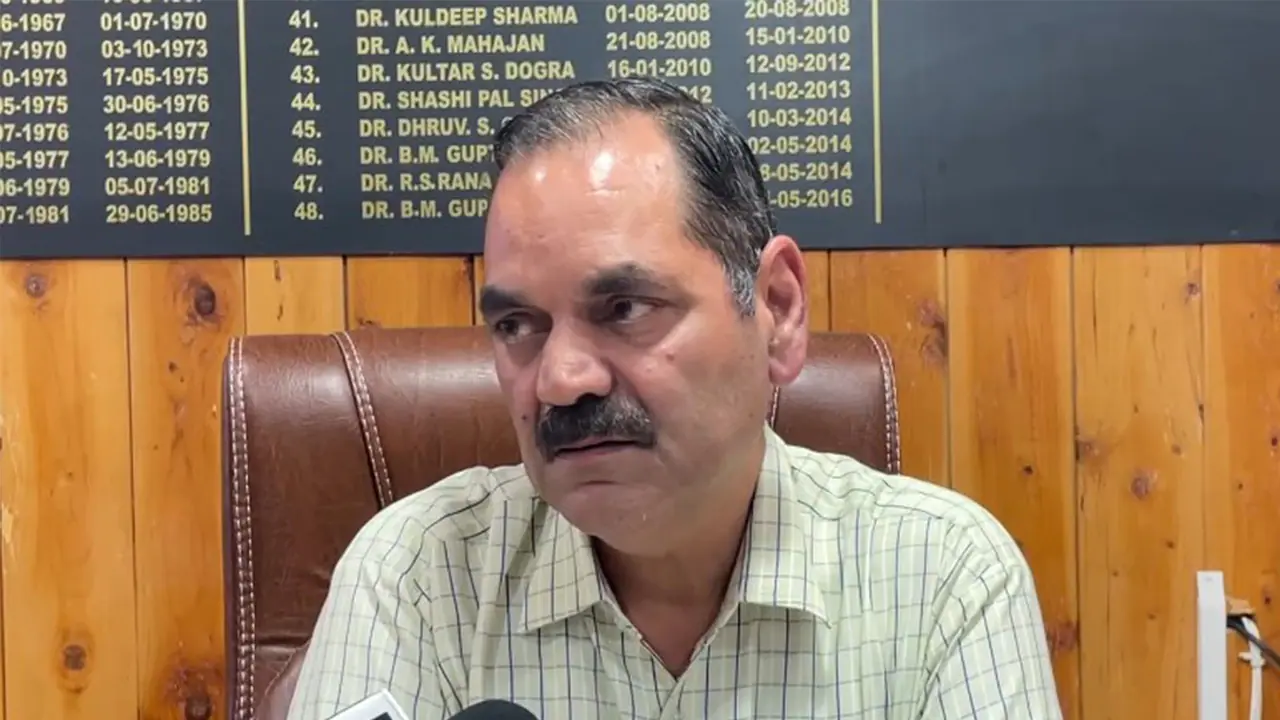
According to Kangra Chief Medical Officer Dr Omesh Bharti, health authorities have detected more than 33 positive cases in the district over the last six months after testing over 200 people.
"We are getting around five to six cases every month. We received four positive cases yesterday and three more today. However, at this stage, we cannot say that there is an outbreak," Dr Bharti said.
He advised people to remain alert and take precautions if they develop symptoms such as cold, cough or fever. Those showing symptoms should wear a mask and get themselves tested.
Dr Bharti also urged people to maintain a nutritious diet and stay adequately hydrated. "There is no need to panic, but prevention is always better than cure," he said.
IMA Issues Advisory on Seasonal Surge
Meanwhile, the Indian Medical Association (IMA) on Wednesday issued a public health advisory on the seasonal surge in Influenza A (H1N1), or swine flu, during the monsoon, urging people not to self-medicate with antibiotics and antivirals and advising immediate medical attention in case of severe symptoms.
The IMA said India is witnessing a seasonal increase in H1N1 cases, with metropolitan centres such as Delhi recording more than 1,770 laboratory-confirmed cases, alongside cases reported in Maharashtra, Karnataka and West Bengal.
The advisory said surveillance by the Indian Council of Medical Research (ICMR) has confirmed that the circulating virus remains seasonal Influenza A (H1N1), with no novel genetic mutations detected.
"India is witnessing a seasonal surge in Influenza A (H1N1) / Swine Flu cases during the monsoon period," the IMA said, adding that while heightened vigilance is necessary, "there is no cause for panic".
The medical body said the majority of H1N1 infections are mild and self-limiting.
According to the advisory, H1N1 typically presents with sudden onset of high-grade fever and chills, persistent dry cough and sore throat, severe muscle aches and fatigue, headache, runny or congested nose, and, more frequently in children, nausea, vomiting or loose stools.
(Except for the headline, this story has not been edited by Asianet Newsable English staff and is published from a syndicated feed.)
