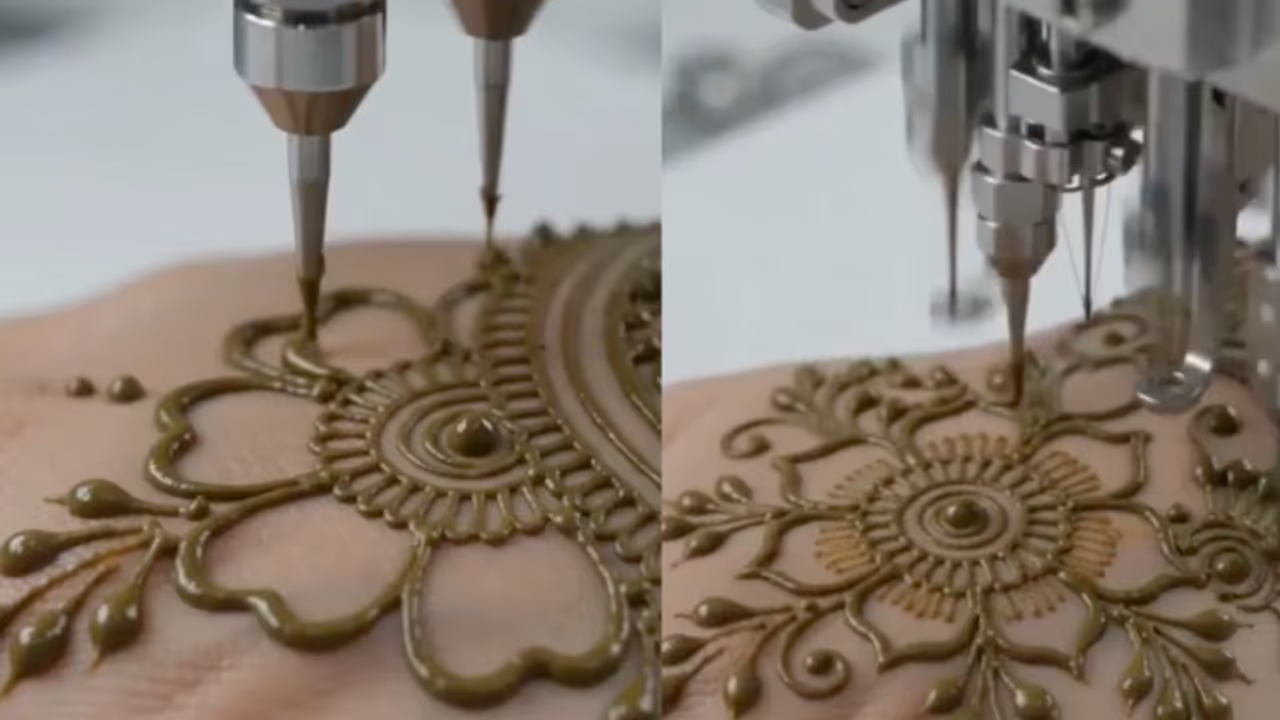
A new mehendi-applying machine has sparked widespread debate over potential job losses for traditional artists, drawing reaction from Harsh Goenka, who has frequently commented on technology's impact on employment.
An automated mehendi-applying machine just arrived. It immediately ignited a job loss debate, catching the eye of industrialist Harsh Goenka. Goenka is known for his sharp views on technology’s employment impact. This machine prints intricate designs in seconds. Traditional artists now worry for their livelihoods, fearing displacement from their age-old craft.
For centuries, Indians revered mehendi. This art form deeply embedded itself in cultural celebrations across India. It always relied on the skill, precision, and personal touch of human artists. Now, automated devices arrive. They challenge this long-standing tradition directly. A conversation began about manual artistry's future in an automated world.
The Rise of Automated Henna
Sophisticated technology drives these automated mehendi machines. They achieve both speed and precision. Digital templates and robotic nozzles print intricate patterns quickly, tracing designs onto skin. This advancement offers convenience and consistency. Mass application at large events or quick, flawless designs for individuals? They make it appealing. But this efficiency worries many traditional mehendi artists. They see these machines diminishing their handmade craft's value. Economic displacement—that is their biggest fear. Their profession faces a direct threat.
Related Articles

Traditional Artists' Deep-Seated Fears
What about the artists? This new automated machine sparked a job loss debate, especially among traditional artists. Mehendi application is not just a service for them. It's a hereditary skill, a cultural expression, and their main source of income. They fear these machines threaten their livelihoods. Their incomes depend on artistic flair, years of practice, and the personal connection they build with clients.
Handmade craft has imperfections. It offers a human touch. That valued tradition contrasts sharply with the machine's cold precision. Artists worry that efficiency and lower cost will devalue their art. It will make sustaining themselves—and passing on skills—much harder.
Goenka's Broader Warning on Automation
"AI could eliminate jobs within the next seven years," Harsh Goenka once warned. The industrialist participates vocally in debates on automation and job displacement. His reaction to the mehendi machine debate—which aligns with artist concerns—stems from his views on technology's disruptive power. His commentary shows his consistent message: tech progress offers efficiency, but it challenges workers everywhere. He emphasizes adapting and innovating in this fast-changing tech world. Goenka recognizes the artists' fears as a small example of a huge societal shift.
Navigating Tradition and Technology
So, where do we go from here? This mehendi machine debate shows a small but powerful example of global conversations. How does automation affect creative and service industries? Technology advances relentlessly. The challenge: find ways to integrate these innovations. Simultaneously, we must support traditional artisans and their craft. The dialogue will focus on how artists can adapt skills. We can show human artistry's value. We can create new opportunities for artists in this changing world. It prompts reflection: balancing tech progress with human jobs and cultural heritage.