
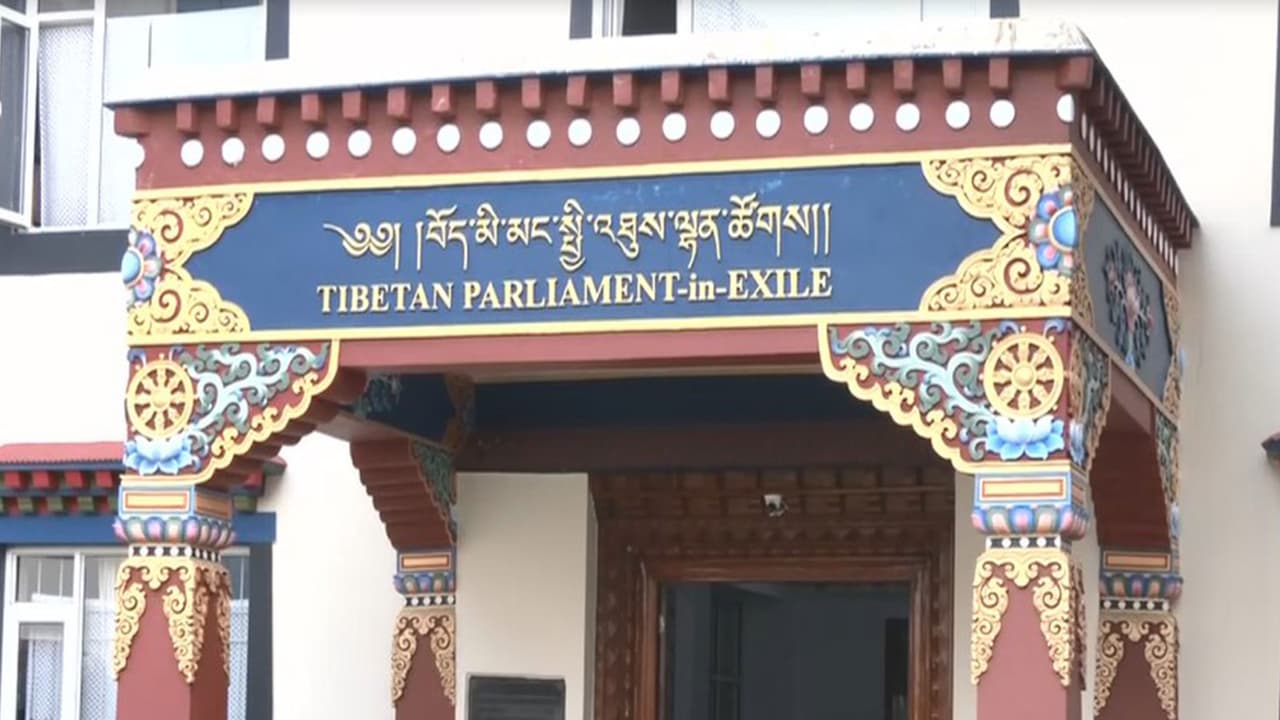
The 18th Tibetan Parliament-in-Exile's second session opened with resolutions for Nepal flood victims and others. Speaker Dolma Tsering condemned China's 'ethnic unity law,' alleging it threatens the identity and culture of non-Han communities.
The second session of the 18th Tibetan Parliament-in-Exile began with the inaugural address by Speaker Dolma Tsering, followed by solidarity and obituary resolutions for people who lost their lives to the Nepal floods, among others.
Speaking to ANI, Gompo Dhondup, a member of the Tibetan Parliament-in-Exile, said, “This is the second session of the 18th Parliament-in-Exile, and it is our first day today, so we started our day with the inaugural address by the Speaker, followed by a number of solidarity resolutions.” He added that the Speaker, in her opening address, mentioned that the Parliament “strongly rejects the ethnic unity law.”
Session's Agenda and Debates
Speaker Dolma Tsering said the September session primarily focuses on the annual working reports of different departments of the Central Tibetan Administration for the period from April 1, 2025, to March 31, 2026. “The bulk of it has been reviewed by the standing committee members of the Parliament, and accordingly, they have put up questions on all the departments. The brief report will be presented by the respective ministers so on that the debate is going on,” she said.
Obituary Resolutions
The morning session also witnessed five obituary resolutions. These included tributes to Rangzen Lobga, who, according to the Speaker, self-immolated in front of the United Nations in New York; former health minister Tsering La; an American educationist and supporter of Tibet who worked extensively for the preservation of the Nalanda tradition of Buddhism; former US Congressman Barney Frank; and those who lost their lives in a recent flash flood on the Nepal-Tibet border.
Parliament Condemns 'Ethnic Unity Law'
On the “Ethnic Unity and Progress Law”, Dolma Tsering said the Parliament had condemned it, alleging that the policy could affect the identity, religion, culture and way of life of non-Han communities. “In the mask of unity and progress, they are making the non-Han people abandon their identity, to abandon their religion, culture, their way of living,” she said.
She further alleged that the policy extends to religious and cultural practices, including Buddhist funeral traditions, and said the Parliament had condemned the law “in our strongest possible way.”
(ANI)
(Except for the headline, this story has not been edited by Asianetnews Editorial staff and is published from a syndicated feed.)