
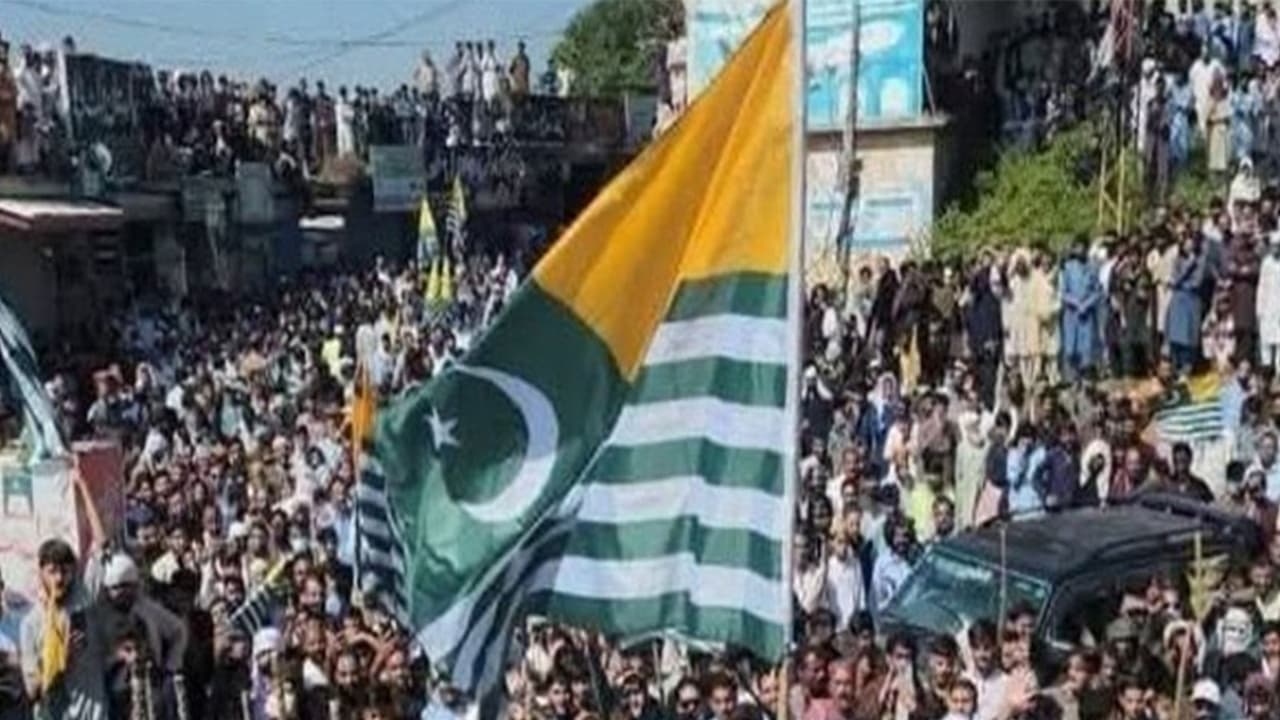
The HRCP attributes PoJK unrest to institutional distrust and state force, calling for a political solution. It condemns the use of anti-terrorism laws against activists and notes concerns over the electoral environment due to security and restrictions.
The Human Rights Commission of Pakistan (HRCP) has attributed the recent unrest in Pakistan-occupied Jammu and Kashmir (PoJK) to growing institutional distrust, restrictions on freedom of expression and communication, and an increasingly confrontational response from state authorities, including the alleged disproportionate use of force. In a press release shared on X, HRCP stated that the combination of these measures had intensified polarisation and weakened public confidence in institutions.
The Commission noted that it received conflicting accounts regarding the scale of violence, the protest methods adopted by the Jammu Kashmir Joint Awami Action Committee (JKJAAC), and the conduct of security personnel. Despite these differences, the Commission said there was broad agreement among political and community stakeholders, including JKJAAC supporters and opponents, that the region's grievances required a political solution rather than coercive measures.
HRCP Condemns Use of Force and Anti-Terror Laws
The HRCP expressed particular concern over allegations of lethal and excessive force against protesters. It also criticised the placement of at least 147 JKJAAC activists on the Fourth Schedule and the reported use of anti-terrorism laws against individuals involved in political dissent. According to the Commission, the arrests of activists and journalists, coupled with pressure on the media from both government authorities and JKJAAC supporters, have further restricted civic space in the region.
Concerns Over Electoral Environment
The fact-finding mission also observed the third phase of elections in Bagh. It found limited evidence of systematic physical coercion of voters at the polling stations visited. Low turnout in some areas appeared to result from voluntary boycotts and public disillusionment rather than direct obstruction. However, the HRCP said concerns over the wider electoral environment remained unresolved because of heavy security deployments, communication restrictions, phased polling and the postponement of elections in some constituencies.
Call for Impartial Investigation
The Commission called for an independent and impartial investigation into all deaths and injuries reported since June 2026. It said accountability should extend to state officials and protesters wherever evidence establishes individual responsibility. (ANI)
(Except for the headline, this story has not been edited by Asianetnews Editorial staff and is published from a syndicated feed.)