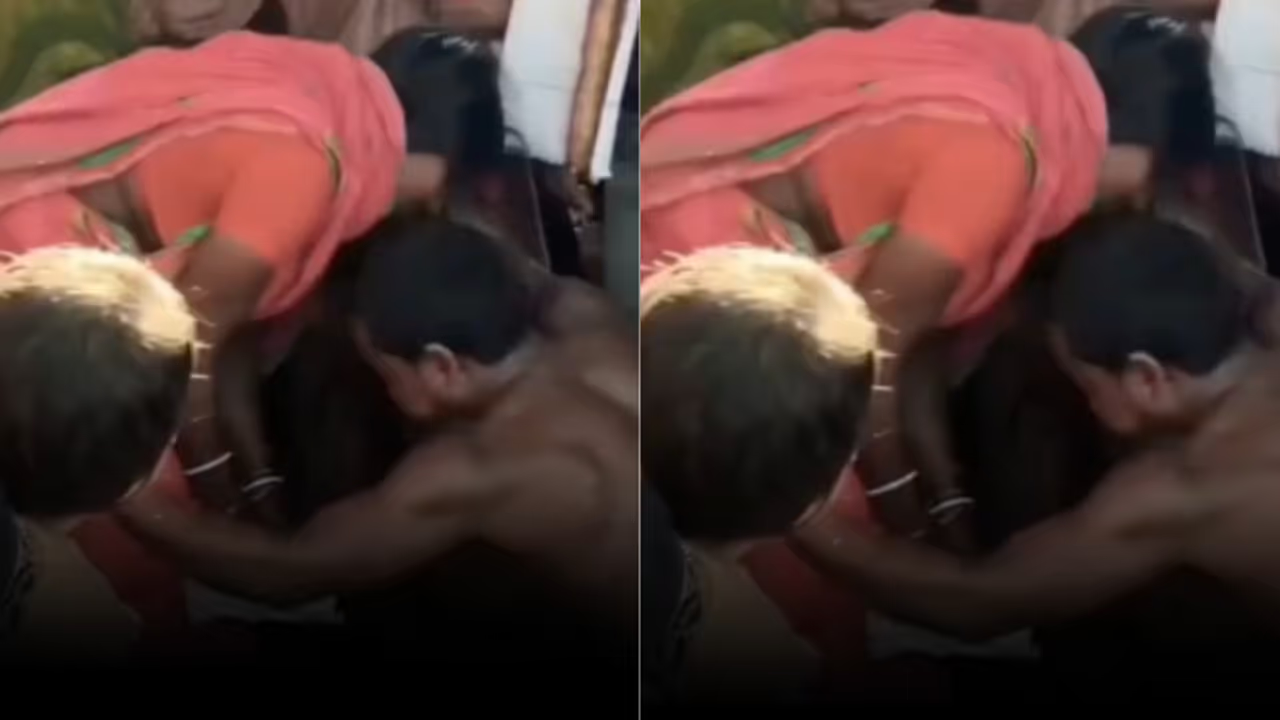
An Instagram post by vaani24hrs on August 21, 2026, showed a self-proclaimed baba claiming to cure a woman's kidney stones by licking her head and feet. The incident sparked immediate online criticism, highlighting prevalent issues of fraudulent medical practices and the spread of unscientific health claims on social media.
An Instagram post by vaani24hrs showed a self-proclaimed spiritual leader. He claimed he could treat a woman's kidney stones. His method? Licking her head and feet. The bizarre incident drew widespread criticism online, igniting debate about fraudulent medical practices and the sheer vulnerability of people seeking unconventional cures.
The video exploded across social media. It sparked outrage over the unscientific cure and questioned why people turn to such methods, bypassing qualified doctors. This incident fits into a larger trend of health and wellness scams common in India, scams social media often amplifies.
Concerns Over Unscientific Cures
Vaani24hrs shared the bizarre visual. It showed the self-styled baba performing his act, claiming it would cure the woman's kidney problem. This incident shows a recurring issue in India: self-proclaimed healers making wild, unsubstantiated medical claims. Online commentators voiced deep concern. They questioned the spread of unscientific practices and the potential for abuse hidden as treatment. The internet's reaction showed a collective demand for greater awareness about evidence-based healthcare.
Related Articles

The Rise of Fake Doctors and Misinformation
This incident emerges as concerns grow about unqualified individuals posing as medical experts, particularly on social media. They spread unreliable health advice. India's healthcare sector faces challenges from fraudulent practitioners and unethical practices, which contributes to a "fake doctor crisis." This common problem leaves vulnerable patients open to dangerous misinformation. Fake doctors lack the training or ethics for proper care. India's medical community frequently voices its fury against such gurus, who discredit modern medicine. They warn of risks to public health.
Such practices delay or botch diagnoses. They directly threaten patient well-being. Unqualified individuals promise cures for serious conditions, often without any science behind them. This alarms us. The public must verify credentials for medical advice and seek treatment only from licensed healthcare professionals.
Calls for Greater Awareness
The viral Instagram post reinforces an urgent need: more public awareness about the dangers of fraudulent health claims. Many online discussions emphasized consulting qualified doctors for treatment. They cautioned against falling victim to misleading assurances from fake practitioners. Combating medical misinformation, especially on digital platforms, remains a key step. It protects public health and builds trust in legitimate medical science. One user wrote, “Why do these Indians choose to live this way.” Another user wrote, “Education very important.” One more user wrote, “medical degrees lose their value compared to this.”