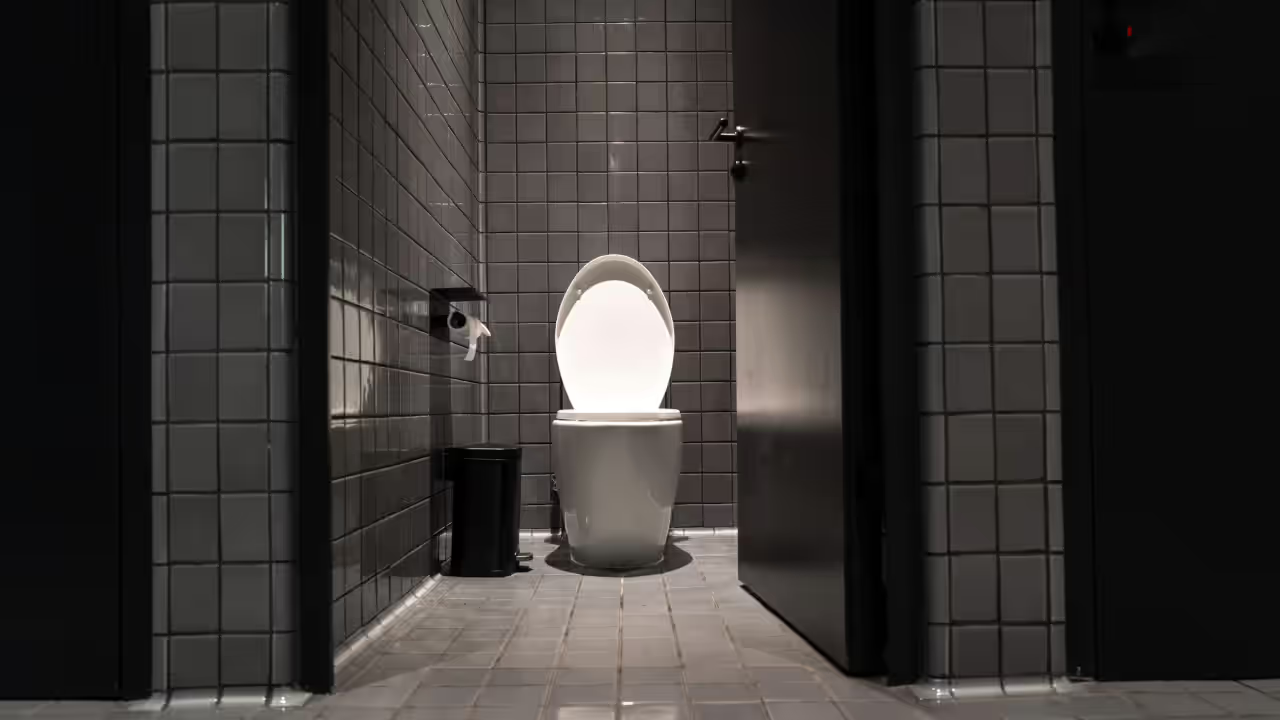
Is it safe to sit on a public toilet seat? We uncover the real risks, from E. coli to the toilet plume, and share expert tips on hygiene to protect your health.
If you have kids or a health issue that makes you go to the bathroom often, you likely know which public restrooms are okay to use and which are better to avoid. However, there are times when you have no choice but to use a restroom that doesn’t look too clean. This often leads to a common question: is it really safe to sit down?
Experts explain that the human body naturally releases bacteria and viruses through urine and faeces. An average adult produces more than a litre of urine and over 100 grams of faeces every day, and both can carry microbes into the bathroom environment.
In busy public restrooms, especially those that aren’t cleaned often, these microbes can build up quickly. Researchers call this mix a “microbial soup,” especially when people with diarrhoea spread more harmful germs.
Related Articles

Common Germs in Public Toilets
Studies published in scientific journals and referenced by researchers have identified various microbes on toilet surfaces. These include gut bacteria like E. coli and Enterococcus, as well as viruses such as norovirus, which can cause vomiting and diarrhoea.
Skin-related bacteria, including Staphylococcus aureus, are also found and may lead to infections. In some cases, parasite eggs and other microscopic organisms can be present, which might cause stomach discomfort. A sticky layer called biofilm can also form under the rim and across other surfaces.
Also read: Just 7 Days of Meditation Can Boost Neuroplasticity and Immunity: Study
Unexpected Dirt
Interestingly, toilet seats are not the dirtiest parts of the bathroom. According to experts, areas that are touched frequently, such as door handles, taps, and flush buttons, tend to have more germs because they are used repeatedly, often before people wash their hands.
In high-traffic areas, these surfaces may be used hundreds of times a day, allowing germs to build up quickly if cleaning isn’t done regularly.
Flushing Effect
Another overlooked risk is what happens when you flush the toilet. Without a lid, flushing creates a fine spray of droplets, sometimes referred to as a toilet plume, which can release bacteria and viruses into the air up to two metres away. Hand dryers can also spread microbes if hands are not properly washed.
Reducing Risk
To reduce the risk, specialists recommend a few simple steps. Using a seat cover or placing toilet paper on the seat can be helpful. Thorough handwashing with soap for at least 20 seconds is essential. Carrying hand sanitiser, avoiding hand dryers when possible, and keeping personal items like phones clean can further reduce exposure.
For most healthy individuals, sitting on a public toilet seat is considered a low-risk activity. Experts stress that infections are more likely to spread through contaminated hands or surfaces rather than from the seat itself. Good hygiene, rather than fear of the seat, remains the most effective way to stay protected.
Also read: Study Shows Vitamin D Levels in Midlife May Influence Brain Health Years Later