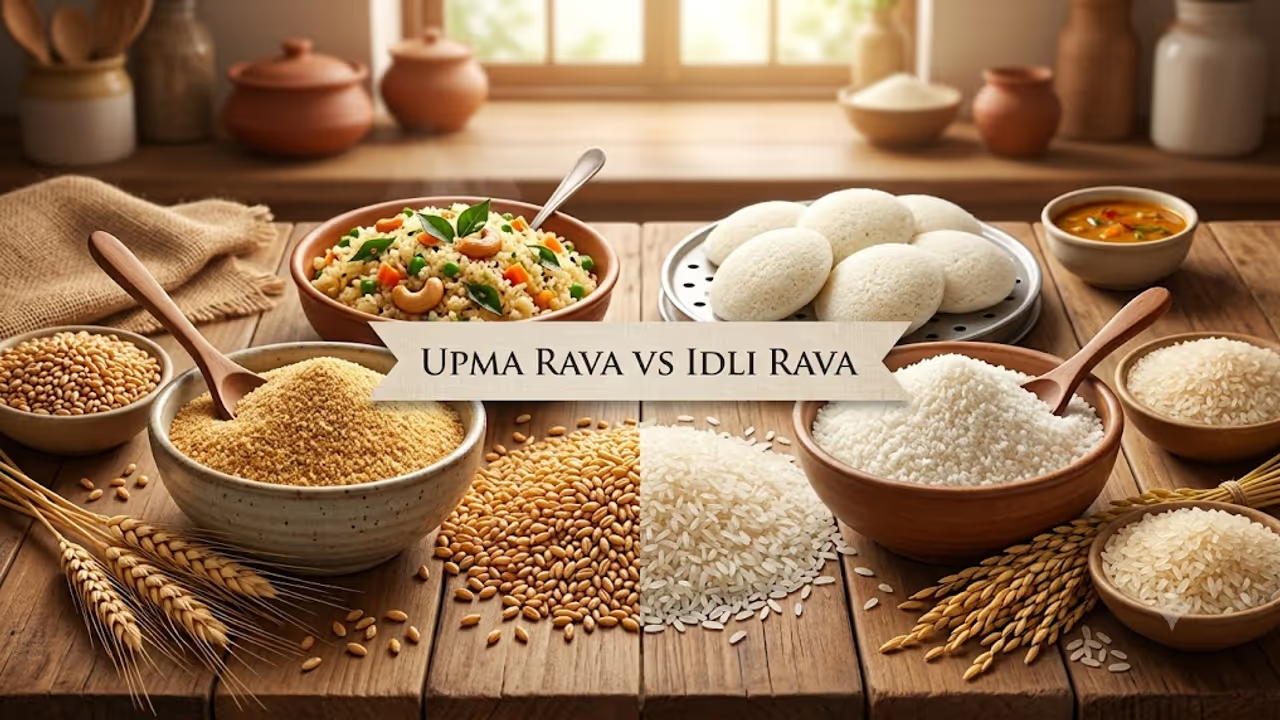
Often confused, Upma Rava and Idli Rava are distinct kitchen staples, each crafted from different grains for specific culinary uses. Upma Rava, also known as sooji or semolina, is derived from durum wheat, while Idli Rava is made from coarsely ground rice, making it a gluten-free alternative.
Two common names often heard in Indian kitchens, Upma Rava and Idli Rava, are frequently confused despite their distinct origins and culinary applications. While both are granular products, they are made from entirely different grains, leading to varied textures and uses in beloved Indian dishes.
This fundamental difference in their base ingredient dictates how they are processed and what kind of meals they are best suited for, clarifying why a simple swap can significantly alter a dish's outcome.
The Wheat-Based Wonder: Upma Rava
Upma Rava, also widely known as sooji or semolina, is primarily derived from durum wheat. This coarse, purified middling of durum wheat is a staple in various Indian breakfast and snack items. It is characteristically pale yellow or cream in color, with textures ranging from fine to coarse, sometimes referred to as Bombay rava or bansi rava depending on its granulation.
Related Articles

Preparation for dishes using Upma Rava typically involves dry-roasting the grains before cooking. This crucial step helps prevent the final dish from becoming sticky and enhances its flavour and fluffy texture. Beyond the classic upma, this versatile ingredient is central to making desserts like Kesari (Sheera), savoury items like Rava Pongal, and even instant Rava Idli, which is a quicker idli variant made with semolina and curd, bypassing the traditional fermentation process.
The Rice-Based Essential: Idli Rava
In stark contrast, Idli Rava is a product of rice, not wheat. It is essentially coarsely ground raw or parboiled rice, sometimes marketed as 'cream of rice'. This rice-based rava is distinctly white in colour and possesses a coarser, grittier texture than most forms of Upma Rava.
Unlike its wheat counterpart, Idli Rava is generally not roasted. Instead, it is typically soaked in water and then combined with a fermented urad dal (black gram) paste to create the batter for traditional, soft, and spongy Idlis. This unique processing allows for aeration and provides the characteristic texture of traditional Idlis. Idli Rava is also used in other rice-based dishes like Arisi Upma and Kozhukattai. Crucially, being rice-based, Idli Rava is gluten-free, making it suitable for individuals with gluten sensitivities.
Beyond the Name: Key Distinctions
The fundamental distinction lies in their origin: one from wheat, the other from rice. This difference leads to varied nutritional profiles, including the presence or absence of gluten. The preparation methods also diverge significantly, with Upma Rava often requiring roasting and Idli Rava necessitating soaking and fermentation for its primary use.
Visually, Upma Rava tends to be cream or light yellow, while Idli Rava is a pure white. Their textures, though both granular, also feel different to the touch, reflecting their source grains and milling processes. Understanding these differences ensures that cooks select the appropriate rava for their desired culinary outcome, whether it's a fluffy upma or a soft, fermented idli.