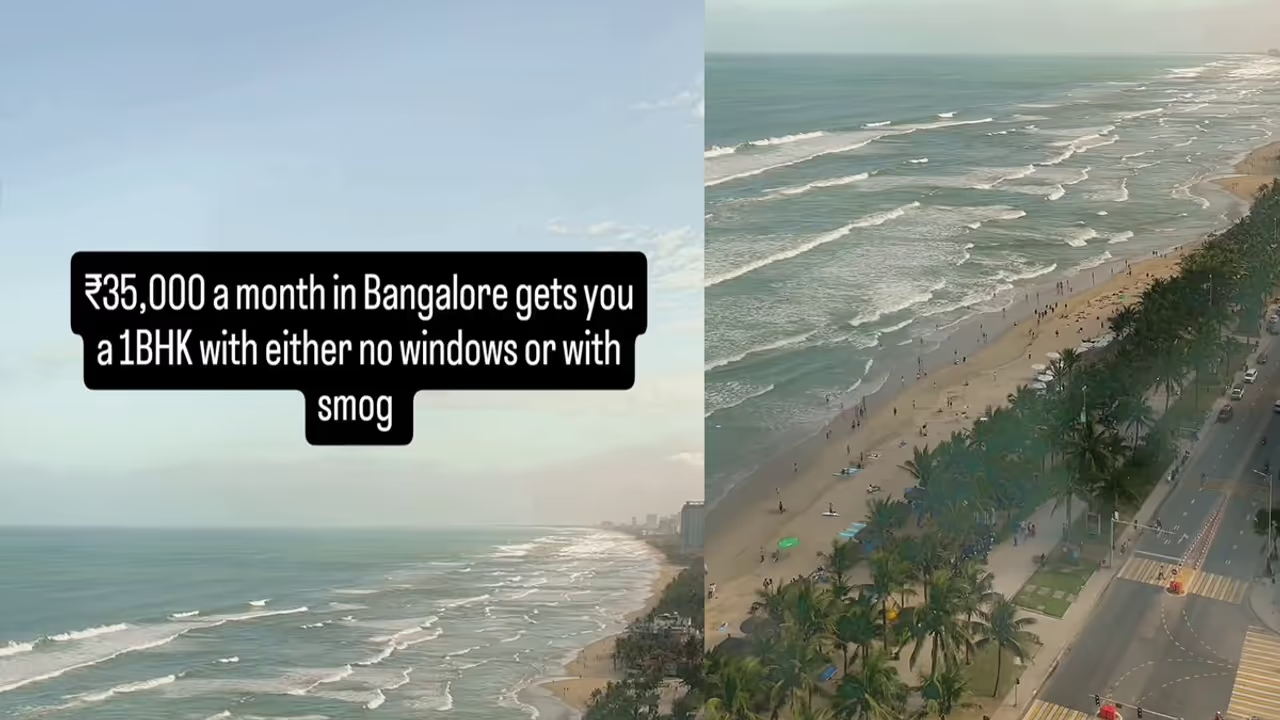
Digital nomad Pranav Das sparked a debate by comparing what a ₹35,000 housing budget can get in Bengaluru versus Da Nang, Vietnam. He contrasted a modest 1BHK in Bengaluru, with high deposits and rising rents, against a beachfront, ocean-facing apartment in Da Nang for the same price.
Pranav Das, a digital nomad and travel writer, has generated debate online by contrasting what a young professional in Bengaluru can obtain with a monthly housing allowance of ₹35,000 with Da Nang, a seaside city in Vietnam. In an Instagram post from two days ago, Das made the case that young professionals in Indian metro areas have become accustomed to high living expenses and a low standard of living, but individuals in other places may frequently live more comfortably for the same amount of money.
According to Das's description of Bengaluru's rental market, a fortunate person would probably be able to obtain "a 1BHK in Indiranagar or Koramangala" for ₹35,000 a month. He made the point that without basic services like parking, tenants sometimes had to deal with expenses like high security deposits and increasing rent.
"If you're lucky - a 1BHK in Indiranagar or Koramangala, no parking, landlord wants 10 months' deposit upfront before you touch the keys. Rents in that corridor have doubled in five years," he wrote.
Related Articles

Das compared the experience in Bengaluru with what the same ₹35,000 might provide in Da Nang, a Vietnamese seaside city that has grown in popularity among digital nomads and remote workers. The city's stunning beaches are well-known. He shared a video of waves lapping the shore and commented, “The same 35,000 in Danang: beachfront building, ocean-facing glass window, My Khe below you every single morning.”
Watch Viral Video
Das proposed that the comparison was not only about housing but also about the general quality of life that goes along with it. According to Das, Indian metropolitan culture has convinced many young professionals that difficult living conditions are a necessary part of career success.