
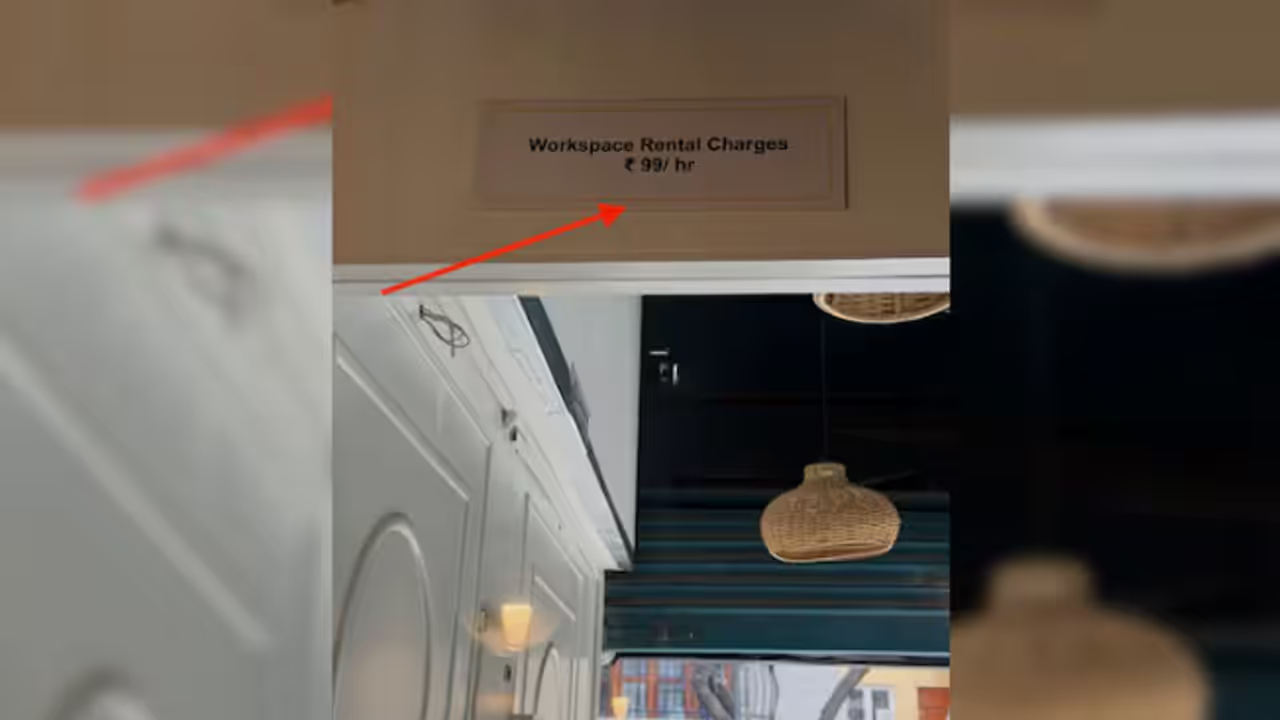
A Bengaluru cafe introduced Rs 99 hourly workspace fee, sparking significant online debate. Supporters defend it as fair business practice to manage table occupancy & ensure profitability. Critics argue it could alienate loyal customers & suggest alternatives like minimum billing.
A Bengaluru cafe has found itself at the centre of an online debate after introducing a Rs 99-per-hour workspace charge for customers who use the establishment as a place to work. The policy, which was shared widely on social media, has divided internet users, with opinions ranging from strong support for the cafe's business model to criticism that it targets the wrong issue.
The discussion began after a customer posted an image of the cafe's notice explaining the workspace fee. According to the notice, customers wishing to use the cafe as a workstation would be charged Rs 99 per hour, a move that quickly caught the attention of social media users.
Check the viral post here:
The post triggered hundreds of reactions, with many questioning whether cafes should impose separate charges on remote workers. While some argued that such spaces naturally attract freelancers, entrepreneurs and employees working remotely, others felt businesses have every right to monetise tables occupied for extended periods.
One user criticised the policy, writing, "They're solving the wrong problem." The commenter argued that if customers are purchasing food and beverages regularly, additional hourly charges may discourage them from returning.
Others, however, defended the cafe's decision. Supporters pointed out that many people occupy tables for several hours after purchasing just a single coffee, preventing other paying customers from finding seating. They argued that restaurants and cafes are businesses first and cannot be expected to function as free co-working spaces indefinitely.
Another social media user remarked that the policy could actually improve customer turnover while ensuring that those genuinely seeking a productive workspace contribute towards the additional value they receive. Some users even suggested that dedicated workspaces with reliable Wi-Fi, charging ports and comfortable seating justify an hourly fee.
Not everyone agreed. Several commenters felt the move reflected Bengaluru's growing commercialisation of everyday experiences. Critics argued that remote work has transformed cafes into informal work hubs and that businesses could instead introduce minimum billing requirements rather than charging by the hour.
The debate also highlighted changing work habits in India's technology capital. With hybrid and remote work becoming increasingly common, cafes across Bengaluru have become popular destinations for professionals looking for an alternative to traditional offices or home workstations. This shift has created a balancing act for businesses trying to accommodate both casual diners and long-stay customers.
The viral discussion underscores a broader question facing hospitality businesses worldwide: should cafes continue offering free work-friendly environments, or is it reasonable to charge for prolonged occupancy?
As the conversation spread across social media, users remained sharply divided. Some viewed the Rs 99 hourly fee as a fair business decision that helps cafes recover operational costs, while others believed it could discourage loyal customers and undermine the city's thriving café culture. Regardless of which side people support, the Bengaluru cafe has successfully ignited a wider conversation about the evolving relationship between remote work, public spaces and the economics of hospitality.
