
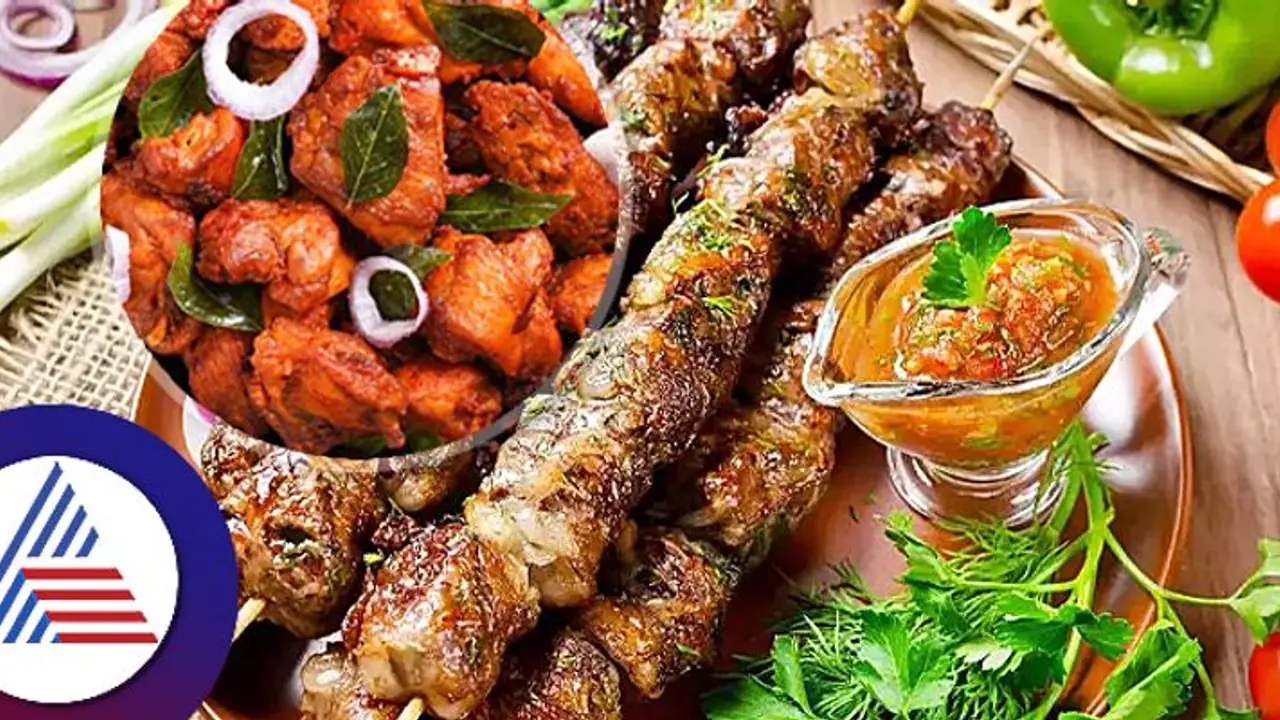
Chicken kebabs from Empire Restaurant's Gandhinagar outlet in Bengaluru were found unsafe for consumption after failing food safety tests. The FSSAI issued a notice, and the restaurant has 30 days to respond or face legal action.
Bengaluru's popular Empire restaurant chain has landed in soup after a lab report from the State Food Laboratory, Public Health Institute, declared that chicken kebabs served at its Gandhinagar outlet were unsafe for human consumption. After Food Safety Officer Ambarish Gowda inspected Empire's location at Anand Rao Circle on June 27 and took two kilogrammes of chicken kebab samples (four packs of 500 grammes each), the food safety alert was triggered.
The samples were then submitted for testing. The test results, dated July 11, revealed that the chicken kebabs failed to meet the required safety standards outlined in the Food Product Standards and Food Additives Regulations of 2011. The meal was subsequently ruled hazardous under the meal Safety and Standards Act of 2006.
FSSAI Issues Notice
Following the test results, the FSSAI has reportedly issued a formal notice to Empire Restaurant's Gandhinagar branch, giving it 30 days to respond. If the restaurant chooses to dispute the findings, it may request a retest at CFTRI Mysuru, at its own expense. A failure to respond within the timeframe could lead to legal proceedings under the FSSAI Act.
Related Articles

The revelation has caused public concern due to Empire's long-standing popularity across Bengaluru and Karnataka. Many loyal customers are now questioning the safety and hygiene practices at the restaurant chain.
Govt Bans Use of Artificial Colours
In June last year, the government had banned the use of artificial colours in kebabs made with vegetables, chicken, and fish across the State and had warned those involved in the manufacturing and sale of kebabs in the State to strictly comply with the ban.
The conclusion came after government-run laboratories analysed 39 kebab samples from various sites around the state. Tests found that eight of the 39 samples were hazardous due to the presence of artificial colouring additives. Seven samples included sunset yellow, but one sample had both sunset yellow and carmoisine, both of which are detrimental to health.

