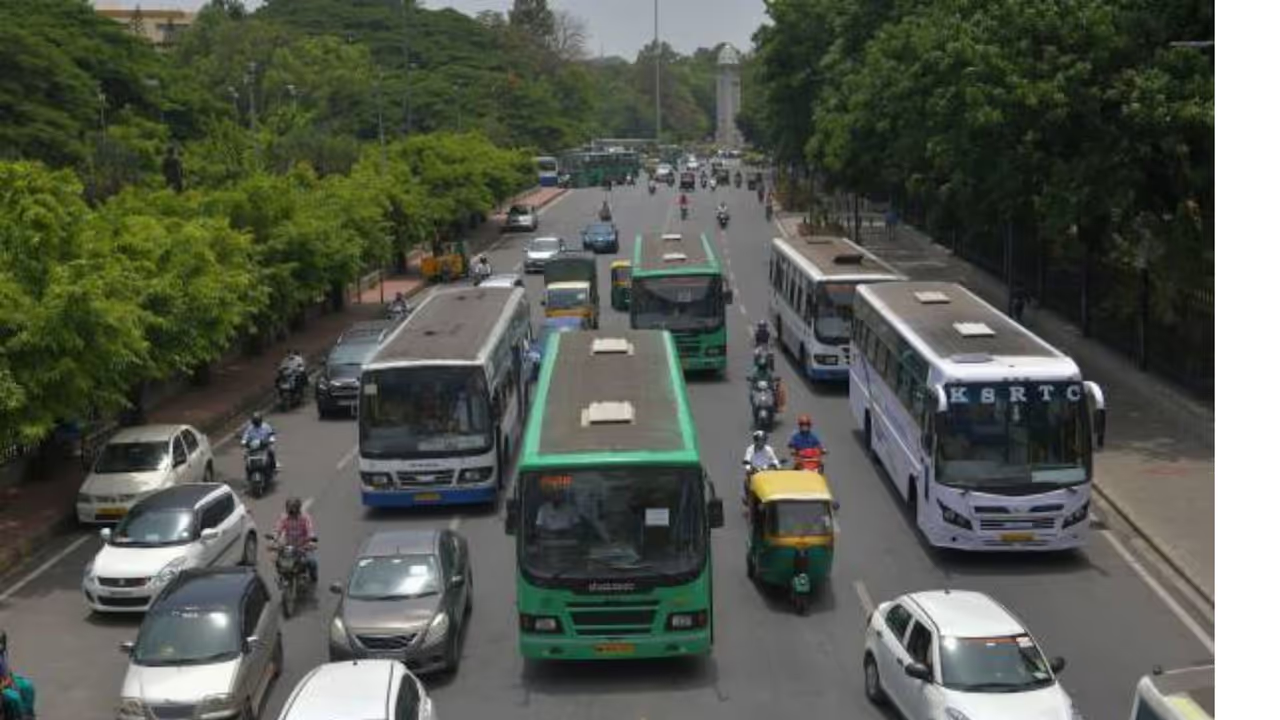
A recent BMTC bus collision in Bengaluru has raised serious concerns over EV bus safety. Allegations over poor training, relaxed hiring rules, lack of health checks, and technical issues have sparked debate on commuter safety and system readiness.
A recent collision between two BMTC buses in Bengaluru last Saturday has triggered panic among commuters and left several passengers injured. The incident has once again brought road safety into sharp focus, particularly at a time when the city is rapidly expanding its electric bus fleet under the public transport system. With Bengaluru increasingly relying on modern, high-capacity electric buses to meet growing commuter demand and reduce emissions, concerns around operational safety, driver preparedness and training standards have come under renewed scrutiny. Questions are now being raised about whether safety systems and workforce readiness are keeping pace with this fast transition to electric mobility.
Bengaluru currently operates nearly 1,650 to 1,700 electric buses under the BMTC fleet, with around 3,000 drivers deployed across the city. However, a series of recent accidents involving these modern buses has raised serious concerns about driver preparedness, training quality and operational oversight.
According to emerging allegations, several key gaps in recruitment, training and monitoring may be contributing to the increasing number of incidents.
Related Articles

The main concerns being highlighted are as follows:
Relaxed Hiring Standards Raise Concerns
Traditionally, BMTC and KSRTC follow strict recruitment procedures, including rigorous driving assessments. However, allegations suggest that recruitment norms for EV bus drivers may have been relaxed. It is reported that candidates with a heavy vehicle driving licence and a minimum of three years of experience are being hired, raising concerns about whether adequate screening and evaluation standards are being maintained.
Inadequate Training Duration
Regular BMTC drivers typically undergo extensive training of up to six months to handle Bengaluru’s dense and complex traffic conditions. In contrast, EV bus drivers are reportedly being trained for only around 15 days. Given the advanced acceleration and braking systems of electric buses, such a short training period may not be sufficient for safe and confident operation in heavy urban traffic.
Lack of City Driving Experience
It is being alleged that many EV bus drivers previously operated heavy vehicles on highways rather than in city environments. Driving on open highways is significantly different from navigating congested urban roads like those in Bengaluru. This mismatch in experience is being cited as a possible factor behind sudden braking errors and instances of loss of vehicle control.
Absence of Mandatory Health Screening
For conventional BMTC and KSRTC drivers, annual health fitness certification is mandatory, including vision and overall physical health checks. However, allegations suggest that similar mandatory health screening may not be strictly enforced for EV bus drivers. Concerns have been raised regarding the lack of routine checks for conditions such as blood pressure and diabetes, which could pose risks during long driving shifts.
Monsoon Challenges and Technical Glitches
During the monsoon season, Bengaluru frequently experiences waterlogging and flooded roads. Reports suggest that EV buses may face technical issues while operating in such conditions, including battery-related faults and electronic system disruptions. In extreme cases, a short circuit or battery management system failure could potentially affect vehicle control during emergencies.
While the introduction of electric buses is a positive step towards reducing pollution and modernising public transport, experts warn that safety systems must evolve at the same pace. Without strict adherence to training standards, recruitment norms and driver fitness protocols, concerns remain that these smart buses could pose new risks on Bengaluru’s roads. Authorities have been urged to review and strengthen operational guidelines to ensure commuter safety.