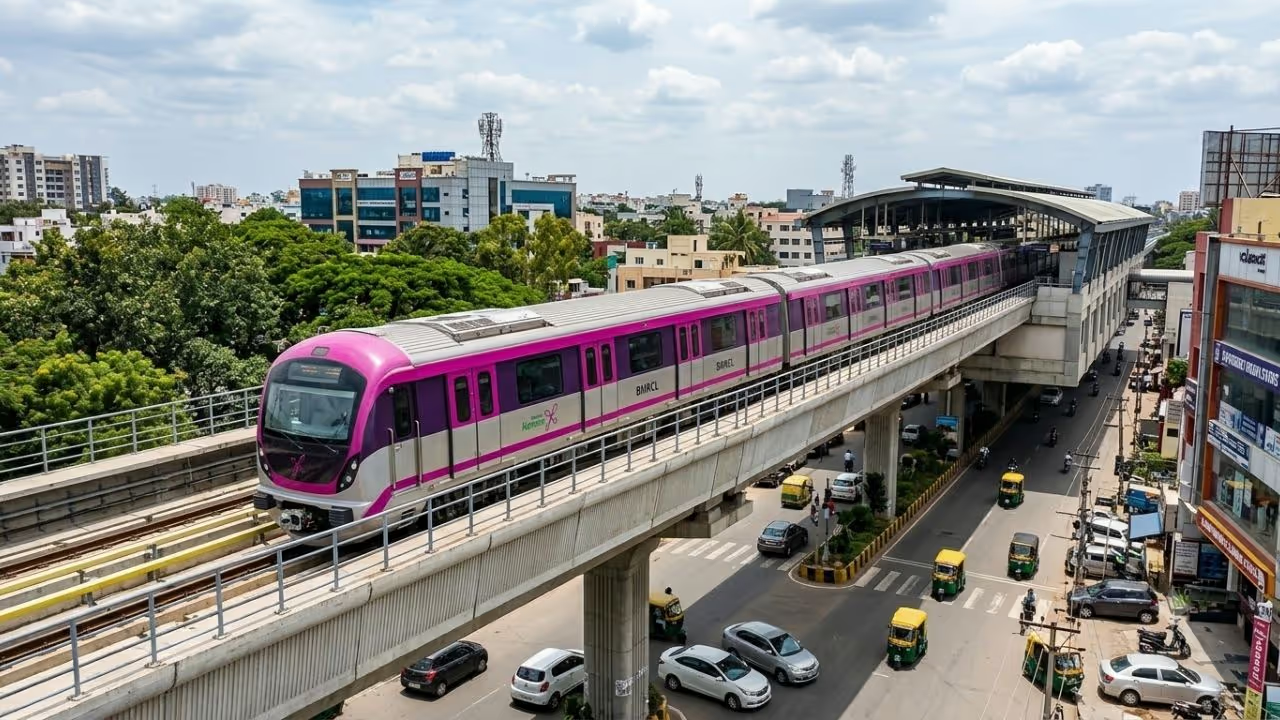
While Bengaluru's Namma Metro offers an alternative to congested roads, the lack of reliable last-mile connectivity prevents commuters from fully benefiting from the network. Improving feeder bus services, pedestrian infrastructure, and affordable shared mobility is crucial to reducing reliance on private vehicles.
Bengaluru's expanding Namma Metro network offers commuters an alternative to the city's congested roads. However, reaching a metro station and completing the journey to the final destination remain significant challenges for many passengers. Without convenient, affordable and reliable last-mile transport, the benefits of metro connectivity may not be fully realised.
For thousands of daily commuters, the journey does not begin at a metro station or end when they step off a train. They must first find a way to reach the station and then arrange transport to their workplace, home or other destination. When these connections are inconvenient, passengers may continue to depend on private vehicles, taxis or two-wheelers despite the availability of metro services.
Why Last-Mile Connectivity Is Crucial?
Last-mile connectivity refers to the transport options that connect passengers to and from major public transport hubs. These include feeder buses, autorickshaws, shared mobility services, cycling facilities and safe pedestrian routes.
Related Articles

In a city such as Bengaluru, where residential neighbourhoods, technology parks and commercial districts are spread across large areas, the distance between a metro station and a commuter's destination can make a considerable difference to the overall travel experience.
A metro journey may reduce the time spent in road traffic, but long waits for connecting transport, expensive short-distance rides or poorly maintained footpaths can add inconvenience. For some passengers, these challenges can make public transport less attractive than travelling directly by a personal vehicle.
Better Feeder Services Could Improve Metro Usage
An effective feeder transport network can help passengers reach metro stations without depending entirely on private vehicles. Regular bus services, well-organised autorickshaw stands and designated pickup and drop-off points can make transfers quicker and more predictable.
Feeder services must also operate at suitable intervals and connect stations with residential areas, office clusters, educational institutions and commercial centres. Routes that are poorly timed or difficult to access may fail to meet commuters' everyday needs.
Transport agencies could improve integration by coordinating bus schedules with metro services, providing clear route information and ensuring that passengers can easily identify available connecting options.
Walking Infrastructure and Passenger Safety Matter
For commuters living or working close to a metro station, walking should be one of the easiest ways to complete the journey. However, continuous footpaths, safe road crossings, adequate lighting and accessible station entrances are essential to make walking a practical option.
Broken pavements, obstructed footpaths, unsafe crossings and poorly lit streets can discourage people from walking even relatively short distances. These conditions can particularly affect senior citizens, children, people with disabilities and passengers carrying luggage.
Improving pedestrian infrastructure around metro stations would help create a more accessible transport system while reducing the need for short-distance motorised trips.
Affordable Connections Can Reduce Dependence on Private Vehicles
The cost of reaching a metro station and travelling onward can influence whether commuters choose public transport. If passengers have to pay separately for multiple connecting rides, the total expense may become less attractive than expected.
Affordable feeder services, shared mobility options and better coordination between transport operators could help address this concern. Clear information about routes, fares and transfer points would also allow passengers to plan their journeys more efficiently.
A convenient public transport system should make it possible for commuters to complete most of their journey without facing unnecessary delays, uncertain availability or excessive additional costs.
Integrated Transport Is the Way Forward
Bengaluru's urban mobility planning needs to look beyond the construction of additional metro lines. Stations must be connected to the surrounding neighbourhoods through coordinated transport services and pedestrian-friendly infrastructure.
This requires cooperation between metro authorities, the city's bus transport system, traffic management agencies and local civic bodies. Planning station areas around the needs of pedestrians, cyclists, bus passengers and shared-mobility users could improve accessibility and encourage greater public transport use.
Digital tools that provide reliable information about connecting services, waiting times and route options could further simplify transfers. However, technology alone cannot compensate for inadequate services or unsafe streets.
Making Namma Metro a Door-to-Door Solution
Namma Metro can play a larger role in easing Bengaluru's traffic congestion if commuters can access stations conveniently and reach their final destinations without difficulty. Better feeder services, safer walking routes, affordable connections and coordinated transport planning are therefore essential complements to network expansion.
The success of an urban transport system should not be measured only by the number of kilometres of metro lines constructed or stations opened. It should also be judged by how easily people can travel between their homes, workplaces and everyday destinations.
For Bengaluru, improving last-mile connectivity could be an important step towards making public transport a more dependable choice for daily commuters.