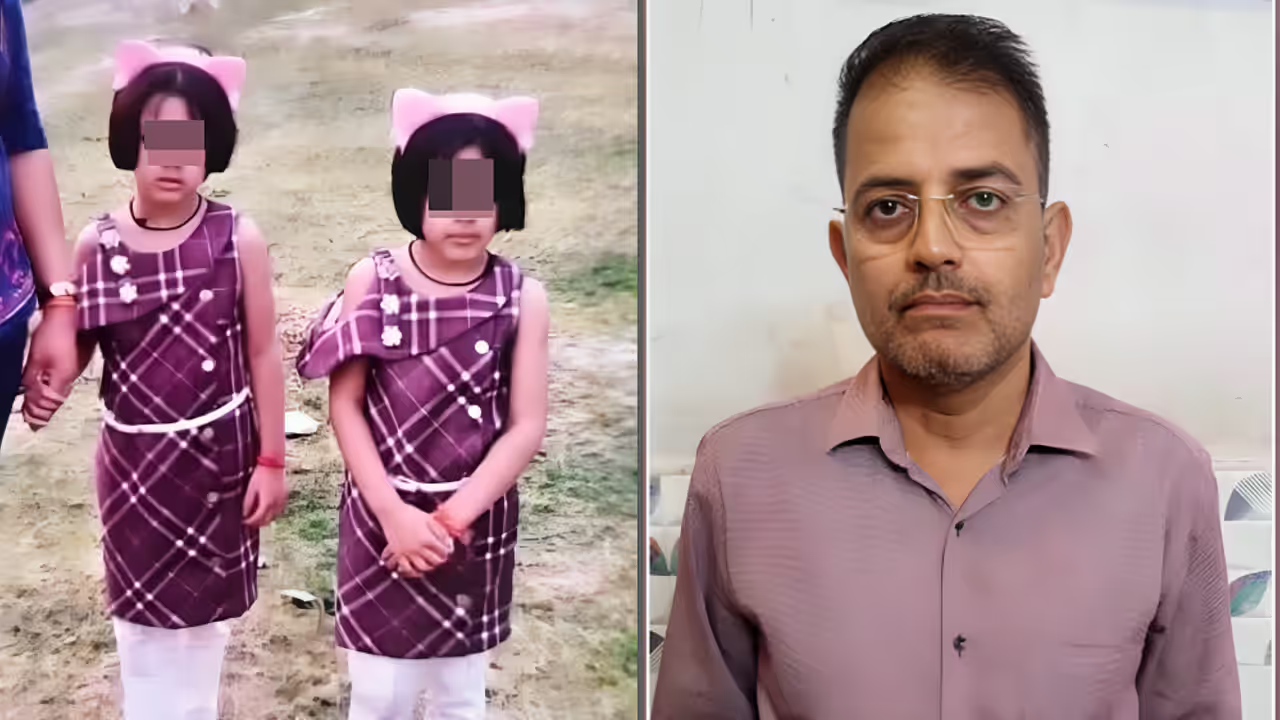
A UP man has allegedly confessed to killing his 11-year-old twin daughters, claiming depression and fear about their future as reasons. Police say the murders were planned and carried out within hours at home. His wife has accused him of abuse and control. Investigators are examining his mental health, recovered substances and evidence.
More details have emerged in the disturbing case from Uttar Pradesh's Kanpur, where a man has been accused of killing his 11-year-old twin daughters. The accused, Shashi Ranjan Mishra, has allegedly confessed to the crime, police said. Officials believe the murders were planned and carried out over a short span of time during the night.
Accused's confession and motive
According to police, as mentioned in a report by India Today, the 48-year-old admitted that he killed both girls within around one and a half hours. He reportedly told investigators that he was suffering from depression and did not show remorse. He said he loved his daughters deeply but was worried about their future. He told police that he had thoughts of ending his own life and feared no one would take care of his daughters after his death.
This fear, which he described as a 'tension', is believed to have been a key reason behind the crime.
Related Articles

Timeline of the murders
Police shared details of how the crime allegedly took place.
The first daughter was killed at around 1:50 am while she was asleep, the India Today report added. After the act, the accused placed her body on a sheet.
He then returned to his bed. Later, at around 3:35 am, he allegedly killed the second daughter in a similar way.

Both bodies were found at the family home with injuries on their necks. The killings happened within a gap of less than two hours.
Weapon and planning
Investigators said the accused had bought the weapon used in the crime about five days earlier. It was reportedly hidden in a cupboard at home.
Police believe this shows that the act may have been planned in advance. The sequence of events shared by the accused is now being verified with evidence.
Mental health and substance use
Police said the accused claimed he was suffering from depression. Some medicines and intoxicating substances were also found in the house.
Officials are now examining whether his mental state played a role in the crime. However, they have not confirmed any medical diagnosis yet.
Wife's allegations
The accused’s wife, Reshma Chhetri, has made serious allegations against him. She said her husband had been mentally disturbed since his mother’s death. According to her, he would often talk about dying and taking the daughters with him.

She also accused him of being violent. She claimed he would beat her, deny her food and stop her from visiting her parents.

Reshma said he had installed CCTV cameras throughout the house, including inside his own room. She alleged that he controlled her movements and behaviour.
Family situation before the incident
Reshma said that on the night of the incident, everything appeared normal. The family had dinner together, and there were no clear signs of what was about to happen.
After dinner, the accused took the twin girls to his room to sleep. Later that night, the crime took place.
She also said that her husband often asked her to leave the house with their son while he kept the daughters with him.
Police action and investigation
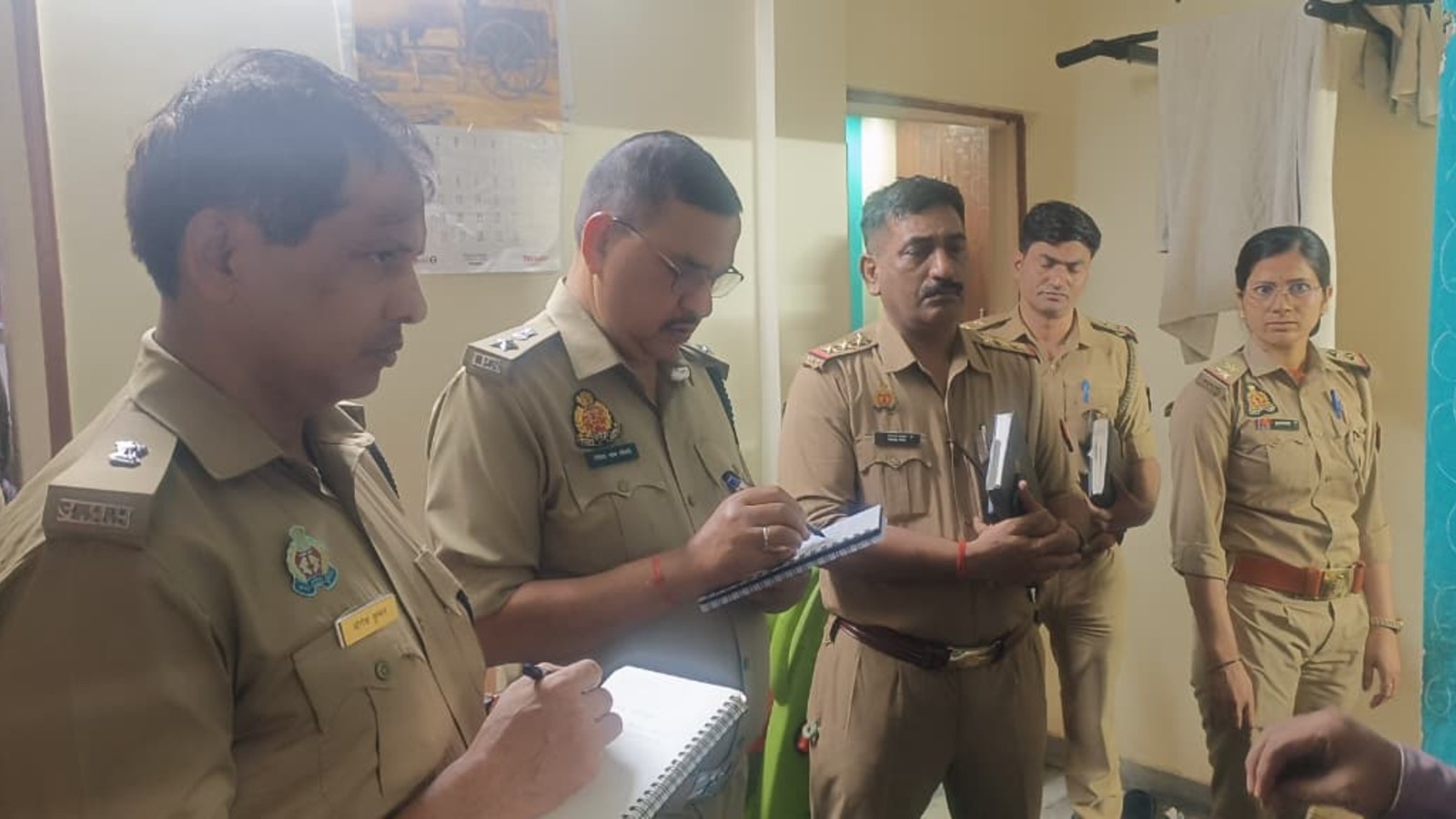
Police confirmed that the accused himself informed them about the crime. He was arrested from the scene soon after. The case is under investigation, and officers are checking all claims, including his mental health condition and the wife’s allegations.
They are also looking into the planning of the crime and examining evidence recovered from the house.
The incident has raised concerns about mental health, domestic violence and family safety. Officials say the investigation will focus on understanding the full sequence of events and ensuring justice.
The case has shocked the local community and highlights the need for early help in situations involving distress or violence within families.
(With inputs from agencies)