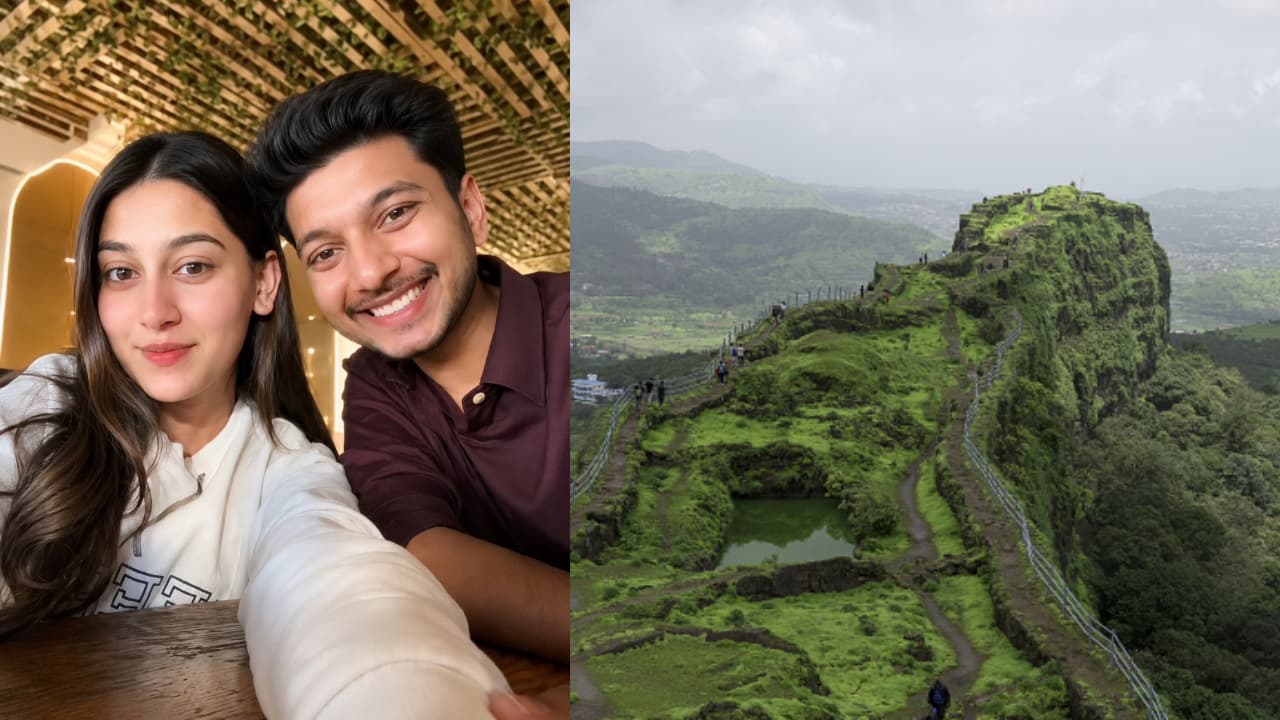
The renaming of Lohagad to 'Siya Point' is more than just a cosmetic change. It's a worrying symptom of a generation so immersed in a certain cultural climate that it no longer questions the rewriting of its own history.
So, Lohagad is now ‘Siya Point’. Let that settle for a moment. When a historic landmark gets a new name, it isn't just about updating a signpost. It’s a flashing red light indicating a society that may have fundamentally lost its bearings. This isn't just about a name. It’s about memory. When a society starts casually rewriting its geography, it’s a clear sign that it’s also trying to rewrite its history.
And when you lose your grip on history, you lose your compass. It really is that simple. But maybe we shouldn't be surprised. This is a question about the cultural water that an entire generation has been swimming in. They’ve been submerged for so long, they no longer even notice it is there.
When You Don't Notice the Water You're In
What is this water? It’s a climate where changing a name feels like a grand victory, while questioning the act itself is framed as being anti-progress or even anti-national. It’s a slow, creeping normalisation of things that absolutely should be debated, dissected, and understood before being accepted. A generation that doesn't notice the water it's in is a generation that can be led anywhere. They don't ask why a centuries-old fort needs a new identity because the very act of critical questioning has been de-legitimised in the environment they were raised in.
Related Articles

The impulse is to accept, not to interrogate. The shift from Lohagad to ‘Siya Point’ is not the disease itself. Think of it as a fever blister—an ugly, visible sign of a much deeper, internal malaise. It tells us that the society's immune system, its core ability to self-correct and remember its own story, has been compromised. And when a society truly loses its compass, every direction starts to look the same. Which, if you think about it, might just be the entire point.