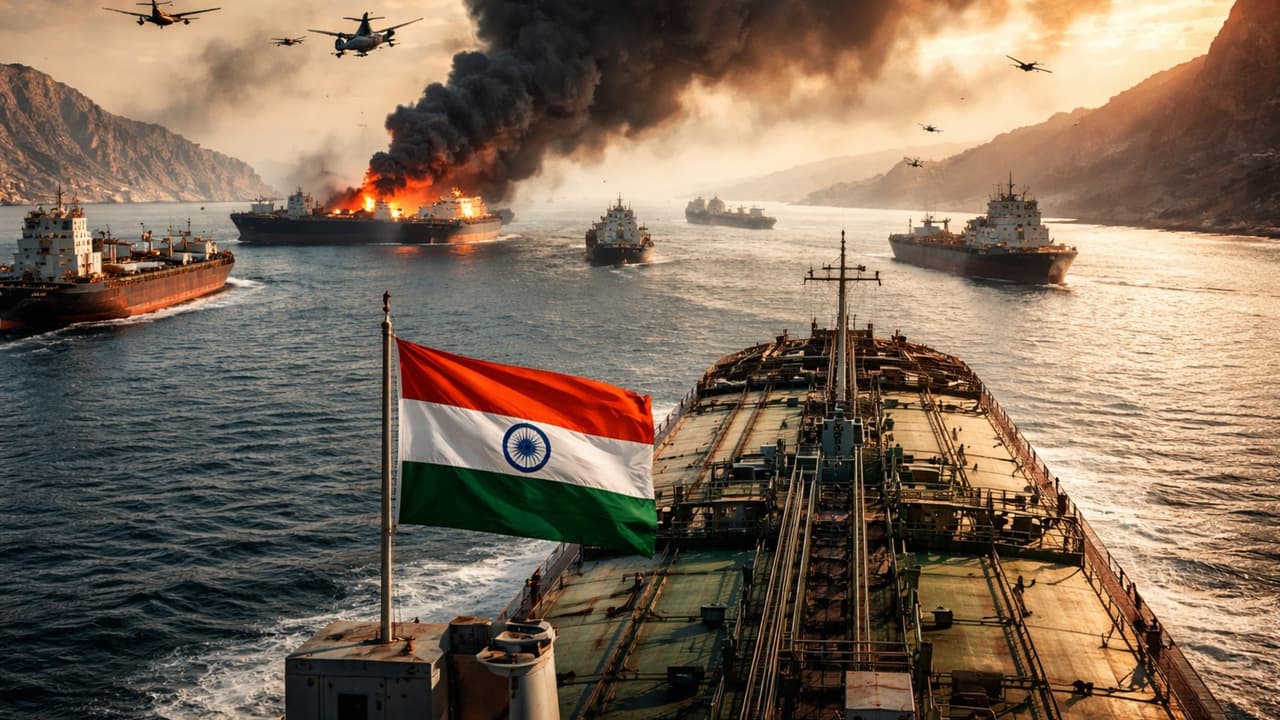
A "shadow fleet" of aging, often uninsured oil tankers enables sanctioned nations to export crude oil despite international restrictions. These vessels operate with obscure ownership and minimal regulatory oversight, using deceptive tactics like disabling tracking systems to evade detection.
A hidden network of ageing oil tankers — often called the “shadow fleet” or “ghost fleet” — is quietly reshaping global crude oil trade while raising serious concerns about maritime safety, environmental damage and geopolitical stability. These vessels, typically operating with obscure ownership structures and limited regulatory oversight, are used by sanctioned nations to keep energy exports flowing despite international restrictions.
The concept of a shadow fleet emerged prominently after sweeping Western sanctions targeted oil exports from countries such as Russia, Iran and Venezuela. In response, these nations began relying on clandestine shipping networks designed to move crude oil across oceans without drawing scrutiny from regulators or financial institutions. Analysts say the fleet has expanded dramatically in recent years, reflecting both geopolitical tensions and sustained global demand for discounted crude.
Shadow fleet operations typically involve older tankers nearing the end of their commercial life. Many ships are purchased cheaply and then re-registered under so-called “flags of convenience” in jurisdictions with minimal maritime oversight. This allows operators to obscure ownership and bypass stringent safety and insurance requirements common in regulated shipping markets. Such vessels often lack reliable insurance coverage, increasing risks for coastal states and shipping companies in the event of accidents or pollution incidents.
Related Articles

Also Read: How India-Bound Oil Tanker Went ‘Dark’ In Strait Of Hormuz Amid War
To avoid detection, ghost tankers deploy a range of deceptive techniques. One common tactic is switching off or manipulating automatic identification system (AIS) tracking signals, effectively making ships invisible to monitoring systems. They may also change names, repaint hulls, falsify cargo documentation or conduct ship-to-ship transfers in international waters. These layered strategies make it difficult for authorities to track the origin and destination of oil cargoes, enabling sanctioned crude to enter global markets disguised as legitimate supply.
Such clandestine practices have created complex enforcement challenges for governments and international bodies. Because many operations occur on the high seas — beyond the direct jurisdiction of coastal states — law enforcement agencies often struggle to intervene. Even when suspicious vessels are identified, legal ambiguities and limited cooperation between flag states can slow investigations or seizures. Experts argue that the shadow fleet operates in a “grey zone” of maritime law, exploiting gaps in global governance frameworks.
Beyond regulatory concerns, the environmental risks associated with these vessels are increasingly alarming. Ageing tankers are more prone to mechanical failure, collisions or leaks, which can trigger catastrophic oil spills affecting marine ecosystems and coastal economies. Without proper insurance or oversight, cleanup costs from such disasters could fall on governments and taxpayers rather than shipowners. Maritime analysts warn that a major accident involving a ghost tanker could have consequences comparable to some of the worst oil spills in history.
The shadow fleet’s strategic importance also extends to global geopolitics. For sanctioned countries, clandestine oil exports represent a crucial revenue stream that helps sustain national budgets and military operations. By maintaining access to international buyers — often at discounted prices — these states can soften the economic impact of sanctions and preserve leverage in regional conflicts. This dynamic has contributed to tensions between Western nations seeking stricter enforcement and importers prioritising energy security and affordability.
Also Read: UKMTO: Maritime threat in Arabian Gulf 'Critical' amid 20+ incidents
India and China have emerged as major destinations for discounted crude transported through shadow shipping networks. After reaching these markets, oil may be refined and re-exported as petroleum products, further complicating efforts to trace its origins. The blending of sanctioned crude with other supplies at sea or in refineries makes it increasingly difficult for regulators to determine whether sanctions have been breached. This evolving trade pattern underscores the shadow fleet’s growing influence over global energy flows.
In recent months, several governments have stepped up efforts to curb illicit maritime activity linked to ghost tankers. Sanctions on shipping companies, increased naval surveillance and high-profile vessel seizures have signalled a more aggressive approach to enforcement. However, analysts note that such measures remain uneven and face resistance from countries wary of disrupting energy markets or escalating geopolitical tensions. The continued profitability of sanction-evading oil trade ensures that shadow fleets remain resilient despite mounting scrutiny.
Ultimately, the rise of ghost oil tankers highlights the interconnected nature of modern energy security, environmental risk and international politics. As global demand for crude persists and conflicts reshape supply chains, shadow fleets are likely to remain a defining feature of maritime trade. Policymakers now face the complex task of balancing enforcement with market stability, while ensuring that safety standards and environmental protections are not compromised in the race for energy access.
Also Read: Iran Threatens to ‘Set Region’s Oil and Gas on Fire’ Amid US-Israel Strikes