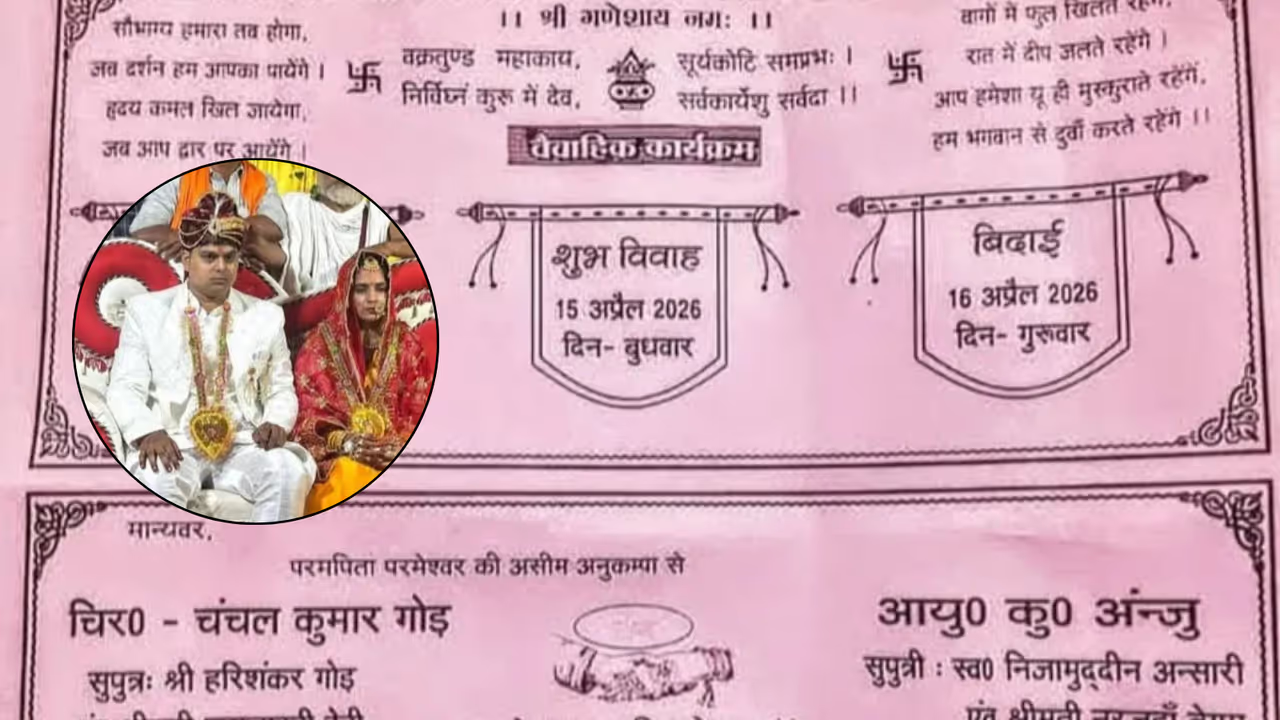
In Uttar Pradesh’s Ghazipur, a Muslim woman and Hindu man got married with full Vedic rituals, including seven pheras and sindoor daan. The interfaith wedding, held with family consent, drew wide local attention.
A wedding in Uttar Pradesh's Ghazipur district has become the talk of the town. A Muslim woman here married a Hindu man according to full Vedic rituals. The ceremony included the seven pheras around the sacred fire, sindoor daan, and the chanting of traditional mantras. What made this event special was that both families gave their full consent, and many locals, along with members of various organisations, attended the wedding.
How did this interfaith marriage happen?
This story comes from the Vishambharpur gram panchayat in Ghazipur's Karimuddinpur police station area. The groom, Chanchal Kumar Gaur, and the bride, Anju (name changed) from Bharauli Kala, tied the knot at a marriage hall in Laththudih. Apparently, the two had been in a relationship for many years and were already living together. They even have a child. The wedding was organised to give their relationship social recognition with the families' approval.
Name changed on the wedding card
Proper wedding cards were also printed for this marriage, which mentioned the bride's changed name as “Anju”. Her parents' names were also included on the card. This detail has added to the buzz around the wedding.
Related Articles

Also read: Mysuru Woman Saves Mother-in-Law from Leopard, Receives Nomination for Bravery Award
Wedding held with Vedic rituals
A mandap was set up for the wedding ceremony, where the couple took the seven pheras amidst Vedic chants. After this, the sindoor daan and other traditional rituals were completed. The people present at the wedding blessed the newlyweds and wished them a bright future. The entire event had a very happy and celebratory atmosphere.
Who all attended the wedding?
Apart from the villagers, members of several social and religious organisations also attended the wedding. This included workers from the Rashtriya Swayamsevak Sangh (RSS), Vishwa Hindu Parishad (VHP), Bajrang Dal, and other groups. Their presence made the wedding an even bigger point of discussion.
A decision made with family consent
According to the groom's father, Harishankar Gaur, the two had been in a relationship for a long time. Sometime back, they had even left home and now have a child together. The family decided to hold the wedding to formally accept their relationship in society. He also mentioned that the girl's family has now accepted the relationship and visits their daughter from time to time. As per reports, the couple is living separately in a rented house after the wedding.
What does this case say from a social perspective?
This case from Ghazipur is unique in many ways. On one hand, it's being seen as an example of personal choice and family consent. On the other, being an interfaith marriage, it has also become a subject of discussion and debate.
Also read: Anjanadri Hill: Grandson Carries 90-Year-Old Grandma Up 575 Steps for Hanuman Darshan