Thinking of switching to a menstrual cup? This step-by-step beginner’s guide explains how to wear, remove and clean a menstrual cup safely, comfortably and confidently.
Switching to a menstrual cup can feel intimidating at first — especially if you’ve spent years relying on pads or tampons. But once you understand how it works and how to use it correctly, a menstrual cup can become one of the most comfortable, eco-friendly, and cost-effective period products available.
If you’re considering making the shift, here’s a complete step-by-step guide to help you wear a menstrual cup safely and confidently.
What Is a Menstrual Cup?
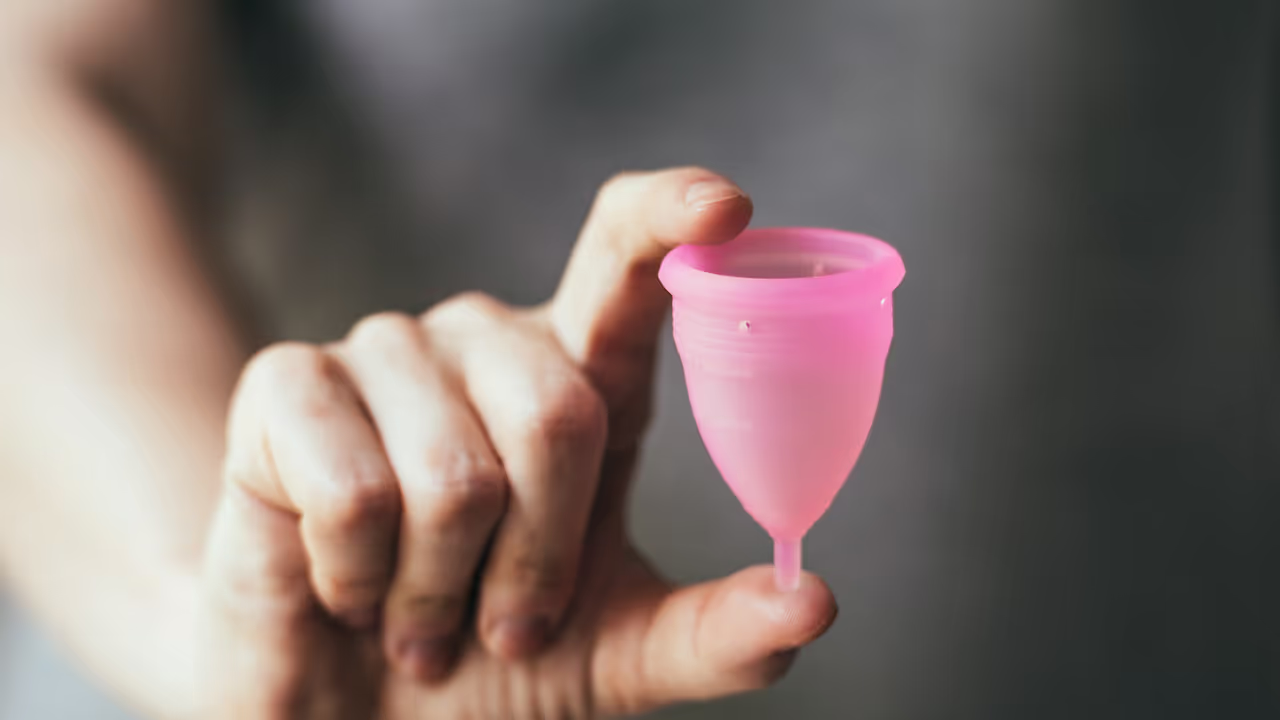
A menstrual cup is a small, flexible cup made of medical-grade silicone, rubber, or elastomer. It is inserted into the vagina during menstruation to collect menstrual blood, rather than absorbing it like pads or tampons.
Related Articles

When used correctly, a menstrual cup can be worn for up to 8–12 hours, depending on your flow.
Step 1: Choose the Right Menstrual Cup
Before using a menstrual cup, selecting the right size is crucial.
Most brands offer:
- Small size – for teens, first-time users, or women with a lighter flow
- Medium/Large size – for women over 25, those who have given birth vaginally, or those with a heavier flow
- Tip: Height, flow, pelvic muscle strength, and childbirth history matter more than age alone.
Step 2: Sterilise the Cup Before First Use
Before using your menstrual cup for the first time:
- Boil the cup in clean water for 5–7 minutes
- Ensure it doesn’t touch the bottom of the vessel
- Let it cool completely before handling
- This step helps eliminate bacteria and ensures hygiene.
Step 3: Wash Your Hands Thoroughly
Always wash your hands with soap and water before inserting or removing the cup. Clean hands reduce the risk of infections.
Step 4: Fold the Menstrual Cup
Folding makes insertion easier. Popular beginner-friendly folds include:
- C-Fold (U-Fold): Press the cup flat and fold it in half
- Punch-Down Fold: Push the rim down into the base for a smaller tip
- 7-Fold: Fold the cup diagonally to form a “7” shape
- Choose the fold that feels easiest — there’s no “correct” fold.
Step 5: Get Into a Comfortable Position
Relaxing your muscles is key. Try one of these positions:
- Squatting
- Sitting on the toilet
- Standing with one leg raised
- Lying down (especially for beginners)
- Tension can make insertion uncomfortable, so take slow, deep breaths.
Step 6: Insert the Menstrual Cup
- Hold the folded cup firmly
- Gently separate the labia with your free hand
- Insert the cup into the vagina at a slight angle towards your tailbone, not straight up
- Once inside, release the fold so the cup opens
The cup should sit lower than a tampon, but not so low that it causes discomfort.
Step 7: Ensure the Cup Is Fully Open
A properly opened cup forms a seal against the vaginal walls.
To check:
- Gently rotate the cup by holding the base
- Run a finger around the rim to feel for folds
- If needed, lightly tug the stem — resistance means a seal has formed
- No leaks usually mean the cup is positioned correctly.
Step 8: Wear the Cup Comfortably
You should not feel the cup once it’s in place. If you do:
- Push it slightly higher
- Trim the stem (never cut the cup itself)
Depending on your flow, you can wear it for up to 12 hours, though beginners may prefer emptying it more frequently.
Step 9: Remove the Menstrual Cup Safely
When it’s time to remove:
- Wash your hands
- Sit or squat to relax the muscles
- Gently pull the stem until you can reach the base
- Pinch the base to break the seal
- Slowly wiggle the cup out, keeping it upright
- Never pull the cup out without breaking the seal — it can cause discomfort.
Step 10: Empty, Clean, and Reinsert
- Empty the contents into the toilet
- Rinse the cup with water (use mild, unscented soap if available)
- Reinsert following the same steps
At the end of your cycle, sterilise the cup again before storing it in a breathable pouch.
Common Concerns for First-Time Users
- Will it hurt? No. Mild discomfort is common initially, but pain is not normal. Relaxation and correct positioning help.
- Can it get lost inside? No. The cervix prevents the cup from going anywhere beyond the vaginal canal.
- Is it safe to sleep with? Yes. Many users find cups leak-free overnight.
Why Many Women Are Switching to Menstrual Cups
- Reusable for 5–10 years
- Reduces plastic waste
- Cost-effective in the long run
- No dryness or irritation
- Longer wear time compared to pads or tampons
Final Thoughts
Learning how to wear a menstrual cup takes patience — most women need 2–3 cycles to feel fully comfortable. Don’t be discouraged by initial awkwardness. With practice, a menstrual cup can transform how you experience your period — offering freedom, comfort, and confidence.