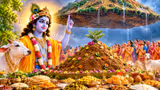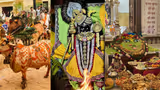
Govardhan Puja will be celebrated on November 10, 2026, a day after Diwali. Devotees will worship Lord Krishna, Govardhan Hill and cows. Here are the auspicious timings, important rituals and significance of the festival
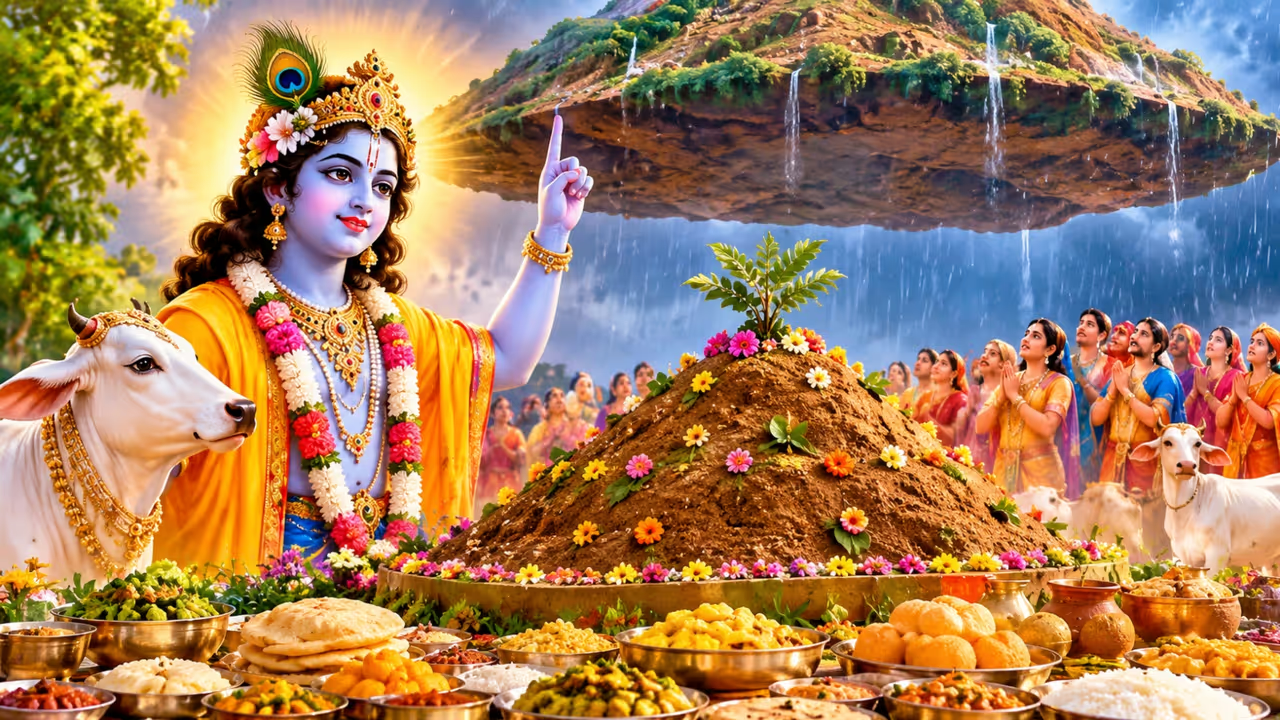
Govardhan Puja, celebrated a day after Diwali, holds special importance in Hinduism. The festival is dedicated to Lord Krishna and commemorates the occasion when he lifted Govardhan Hill to protect the people of Braj from torrential rainfall. Devotees celebrate the day by worshipping Lord Krishna, preparing traditional offerings and creating symbolic Govardhan Hills using cow dung.
Govardhan Puja 2026: Date and Tithi
Govardhan Puja is observed on the Pratipada Tithi of Shukla Paksha in the Hindu month of Kartik. In 2026, the Pratipada Tithi begins at 12:31 PM on November 9 and concludes at 2 PM on November 10.
According to the Udaya Tithi (the lunar date prevailing at sunrise), Govardhan Puja will be celebrated on Tuesday, November 10, 2026.
Related Articles

On this occasion, devotees worship Lord Krishna, Govardhan Hill and cows. Several temples and households also organise Annakut celebrations, during which a variety of food preparations are offered to the deity as a mark of devotion and gratitude.
Govardhan Puja 2026: Auspicious Timings
Devotees observing Govardhan Puja should take note of the auspicious timings before beginning the rituals. The morning puja window will remain open for 2 hours and 10 minutes.
Here are the important timings for the festival:
- Govardhan Puja: Tuesday, November 10, 2026
- Pratipada Tithi Begins: November 9, 12:31 PM
- Pratipada Tithi Ends: November 10, 2:00 PM
- Morning Puja Muhurat: 6:40 AM to 8:50 AM
- Abhijit Muhurat: 11:43 AM to 12:26 PM
- Godhuli Muhurat: 5:30 PM to 5:56 PM
The morning window is considered particularly important for performing the traditional Govardhan Puja rituals. Devotees can also take note of the Abhijit and Godhuli Muhurats while planning their prayers.
Govardhan Puja 2026: Why Is the Festival Celebrated?
Govardhan Puja is associated with a popular legend from the Dwapara Yuga involving Lord Krishna and the people of Braj.
According to Hindu mythology, the residents of Braj traditionally worshipped Lord Indra, the god of rain, seeking good rainfall and prosperity. However, Lord Krishna explained that their lives and livelihoods depended greatly on nature, Govardhan Hill and cows. He encouraged them to respect and worship these sources of sustenance instead.
Following Krishna's advice, the people of Braj stopped worshipping Indra and offered prayers to Govardhan Hill. This angered Indra, who responded by unleashing torrential rainfall across the region, putting the lives of villagers and their cattle at risk.
To protect everyone, Lord Krishna lifted the mighty Govardhan Hill on his little finger, providing shelter to the people and their animals beneath it. The villagers remained safe under the hill for seven days as relentless rain continued.
Eventually, Lord Indra realised his mistake and sought forgiveness from Krishna.
The festival is therefore celebrated to honour Lord Krishna's protection of the people of Braj. It also highlights the importance of nature, agriculture, cattle and gratitude towards the resources that sustain human life.