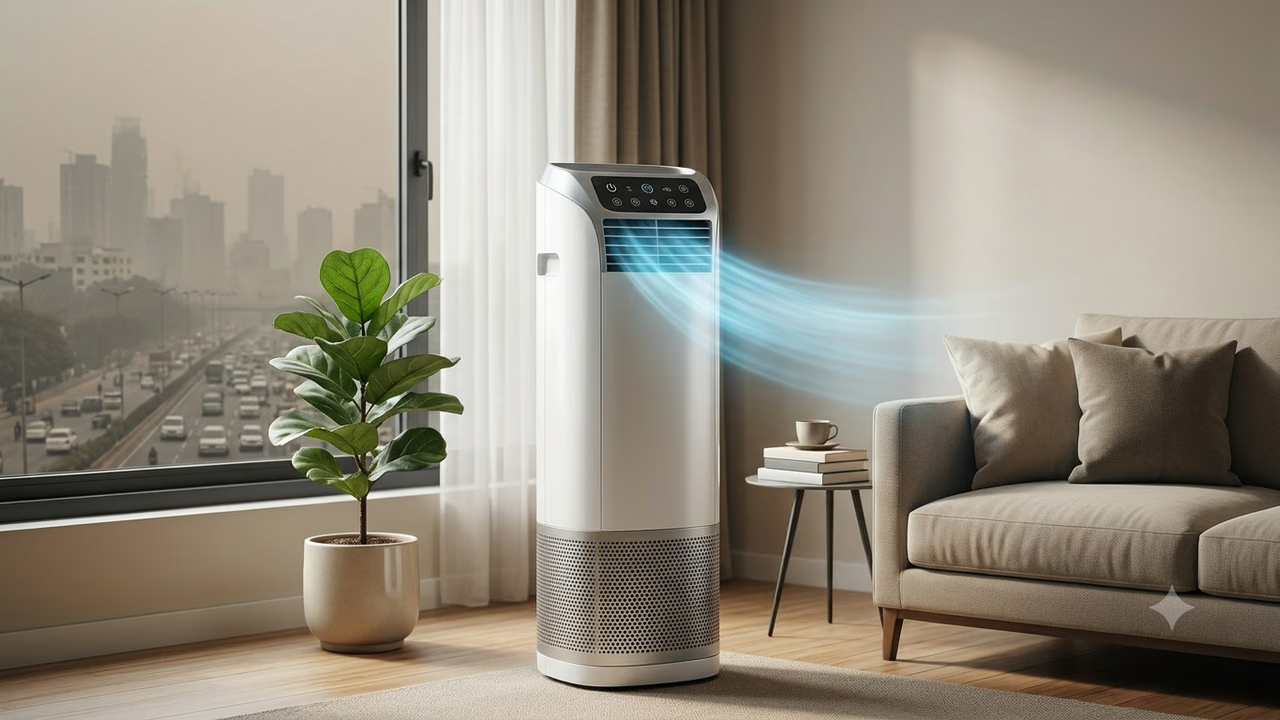
An air purifier fitted with a HEPA filter can remove particulate matter, including PM2.5, dust, pollen, and certain allergens. These pollutants can irritate the respiratory tract and trigger asthma, allergic rhinitis and COPD.
With increasing outdoor pollution, especially during the Deepavali period, indoor air quality has become a significant health issue. It is a common misconception that indoor air is better than outdoor air for our health. But pollution from vehicle emissions, construction sites, smog and even daily housework can contaminate indoor air.
Though air purifiers, indoor plants and good ventilation are commonly recommended methods to improve air quality, their effectiveness varies.
Is It True That Air Purifiers Help Reduce Indoor Pollution?
An air purifier fitted with a HEPA filter can remove particulate matter, including PM2.5, dust, pollen, and certain allergens. These pollutants can irritate the respiratory tract and trigger asthma, allergic rhinitis and COPD. It is important to choose an air purifier with a suitable Clean Air Delivery Rate (CADR). Air purifiers with activated carbon filters can reduce certain gaseous components. But still, air purifiers cannot neutralise all indoor pollution.
Related Articles

Can Indoor Plants Clean the Air?
While plants are often recommended as natural air filters, they do little to filter indoor air. While experiments show that some indoor plants can absorb airborne chemicals, they do not do so in sufficient quantities to actually clean the air. Overwatering plants may result in the development of fungi that can aggravate allergy and asthma symptoms.
Why Ventilation Is Still Important
Ventilation ensures that indoor pollutant concentrations are diluted through fresh air circulation. It is important to open the windows to let airin when there is little pollution outside. Kitchen chimneys and exhaust fans are especially helpful for removing smoke and moisture. In case of highly polluted outdoor air, it is better to keep the windows shut.
Easy Practices to Change Your Life
Prevention of indoor pollution also needs consideration of their sources. One should not smoke indoors; one should avoid using incense sticks and mosquito coils, minimise the use of aerosols, and ensure proper ventilation of cooking areas. Dust buildup can be controlled through the cleaning of surfaces with a wet cloth and vacuuming.
Finally, one must take into account source control, filtration, and ventilation to improve indoor air quality. Air purifiers may provide extra security, but nothing can guarantee you of a pollution-free environment inside the home.
Dr. Ankitha Teja Narayan, Attending Consultant – Internal Medicine, KIMS Hospitals, Electronic City, Bengaluru