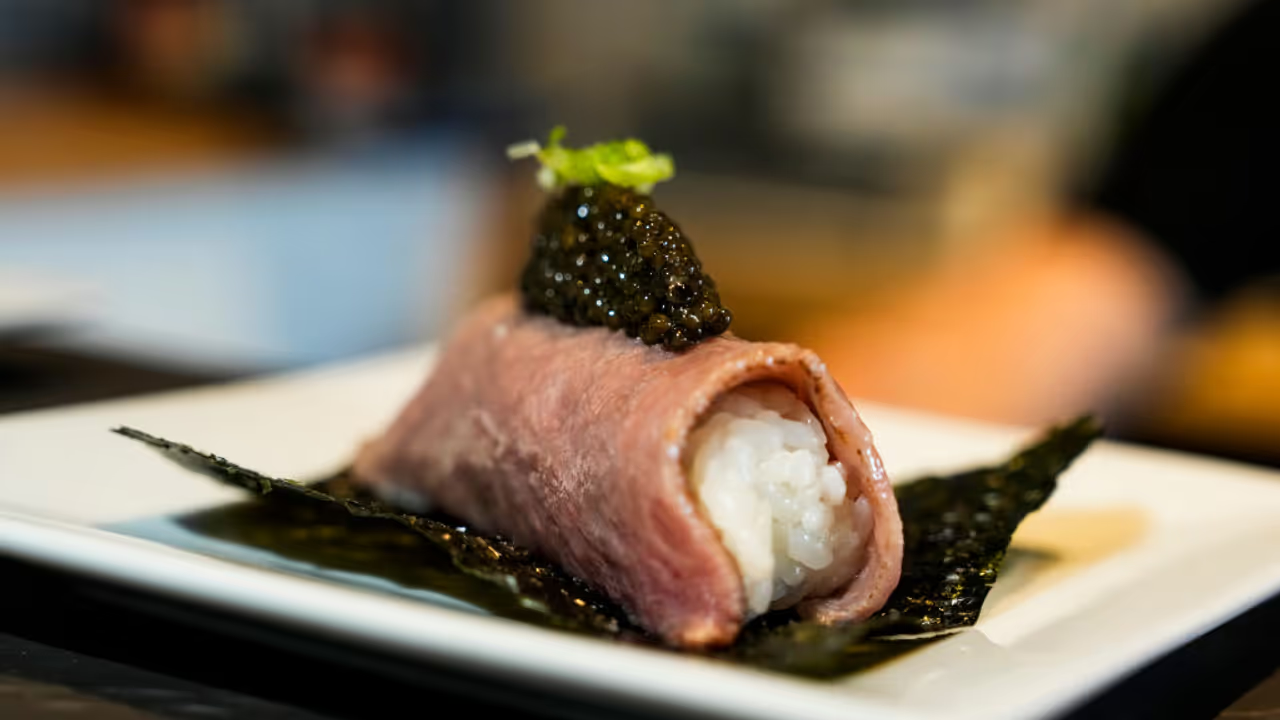
The British royal family's diet excludes certain foods for health, safety, etiquette, and ethical reasons. Shellfish, rare meats are avoided to prevent food poisoning, while garlic and onions are omitted to maintain fresh breath during public duties.
The British royal family’s dining habits are famously disciplined and shaped by long-standing traditions, health considerations, etiquette, and increasingly ethical concerns. Beyond sumptuous banquets and formal dinners, there are certain foods that are notably absent from royal plates, with insiders revealing why these items are often avoided behind palace walls.
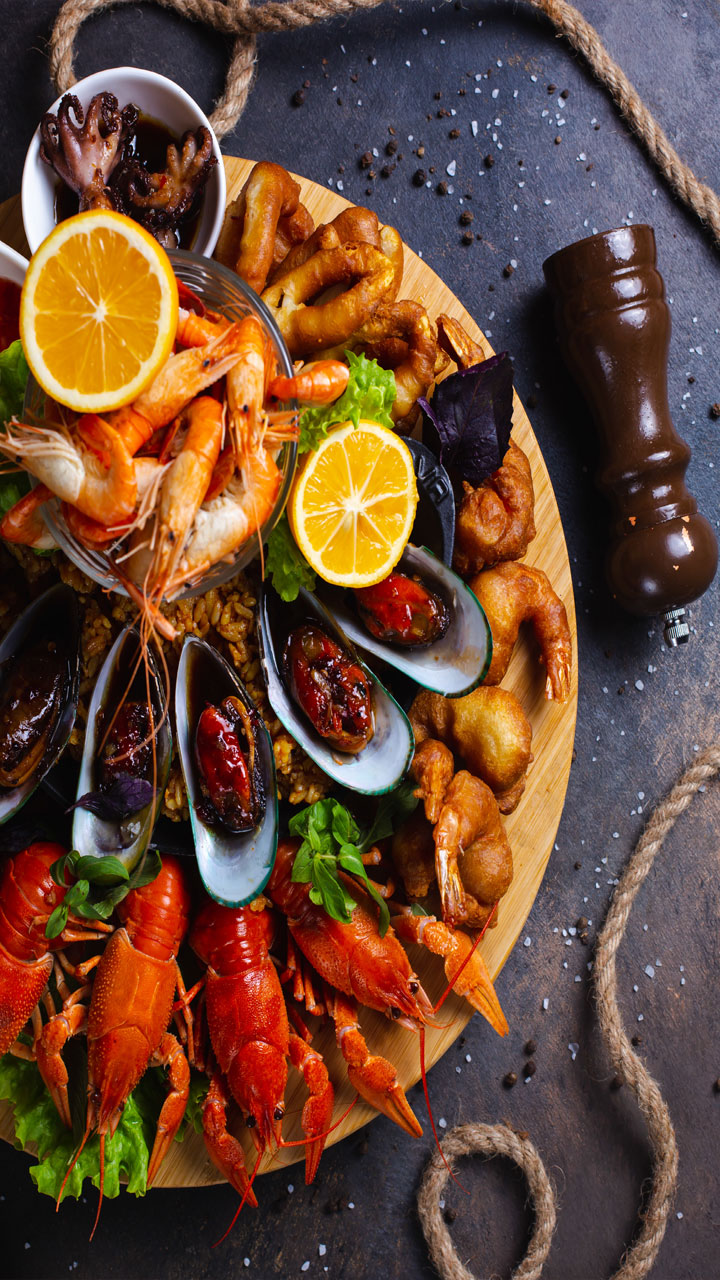
Shellfish: One of the most commonly cited avoided foods is shellfish, including prawns, oysters and other seafood. Former royal butler Grant Harrold has explained that shellfish carry a heightened risk of food poisoning, especially during travel or state visits, making them a practical exclusion from royal menus.
Related Articles

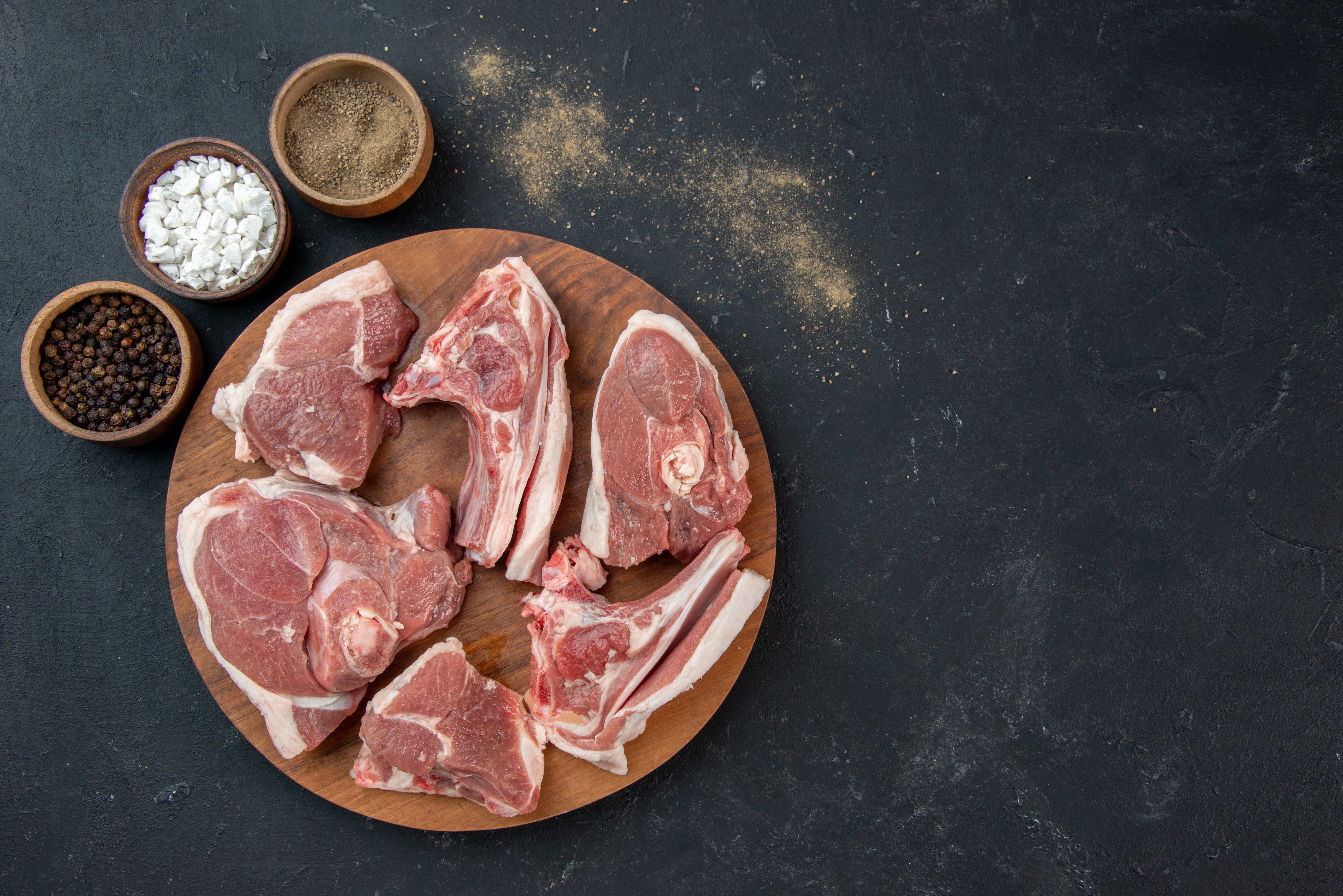
Raw or rare meats: Raw or rare meats are also generally off the table. Royal chefs, including Darren McGrady -- who served Queen Elizabeth II and Princess Diana -- have noted that meat is typically cooked thoroughly to avoid the risk of bacterial contamination and ensure consistent health and composure during public duties.
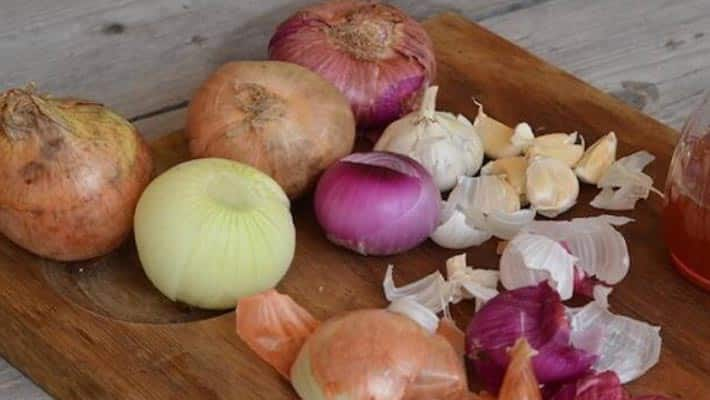
Garlics & Onions: Another unusual exclusion is garlic and onions, which are often avoided at official functions to prevent strong breath or lingering odours during close-contact engagements. Queen Camilla herself confirmed this preference in public remarks, highlighting the importance of etiquette in royal dining.
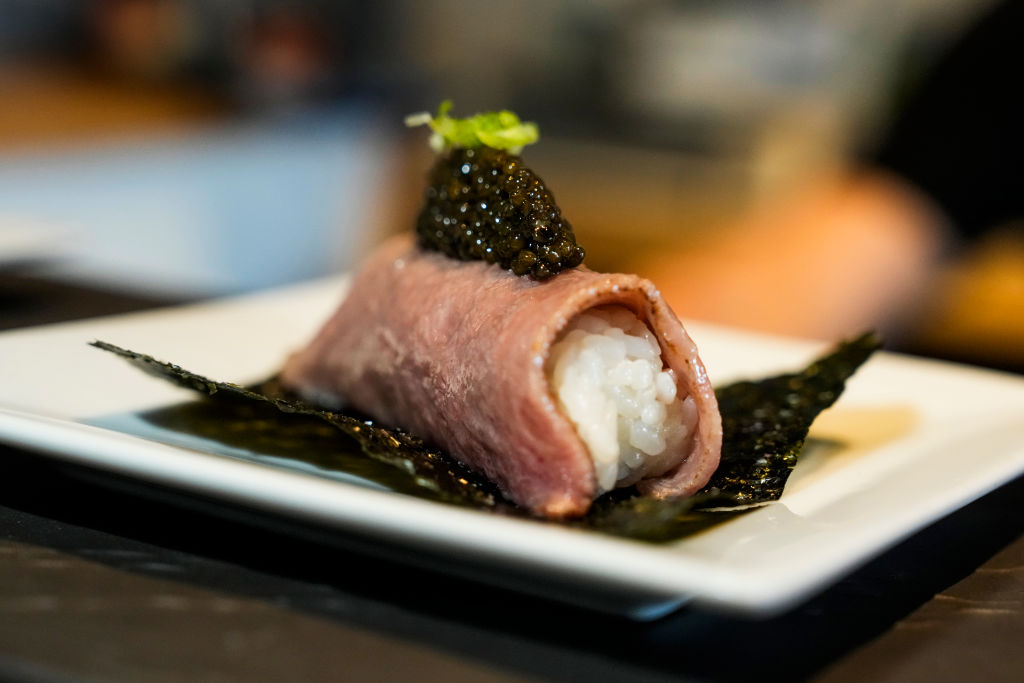
foie gras: The royal household also shuns foie gras, a controversial French delicacy. King Charles III banned its service in royal residences on ethical grounds, consistent with his broader commitment to animal welfare and sustainable food practices.
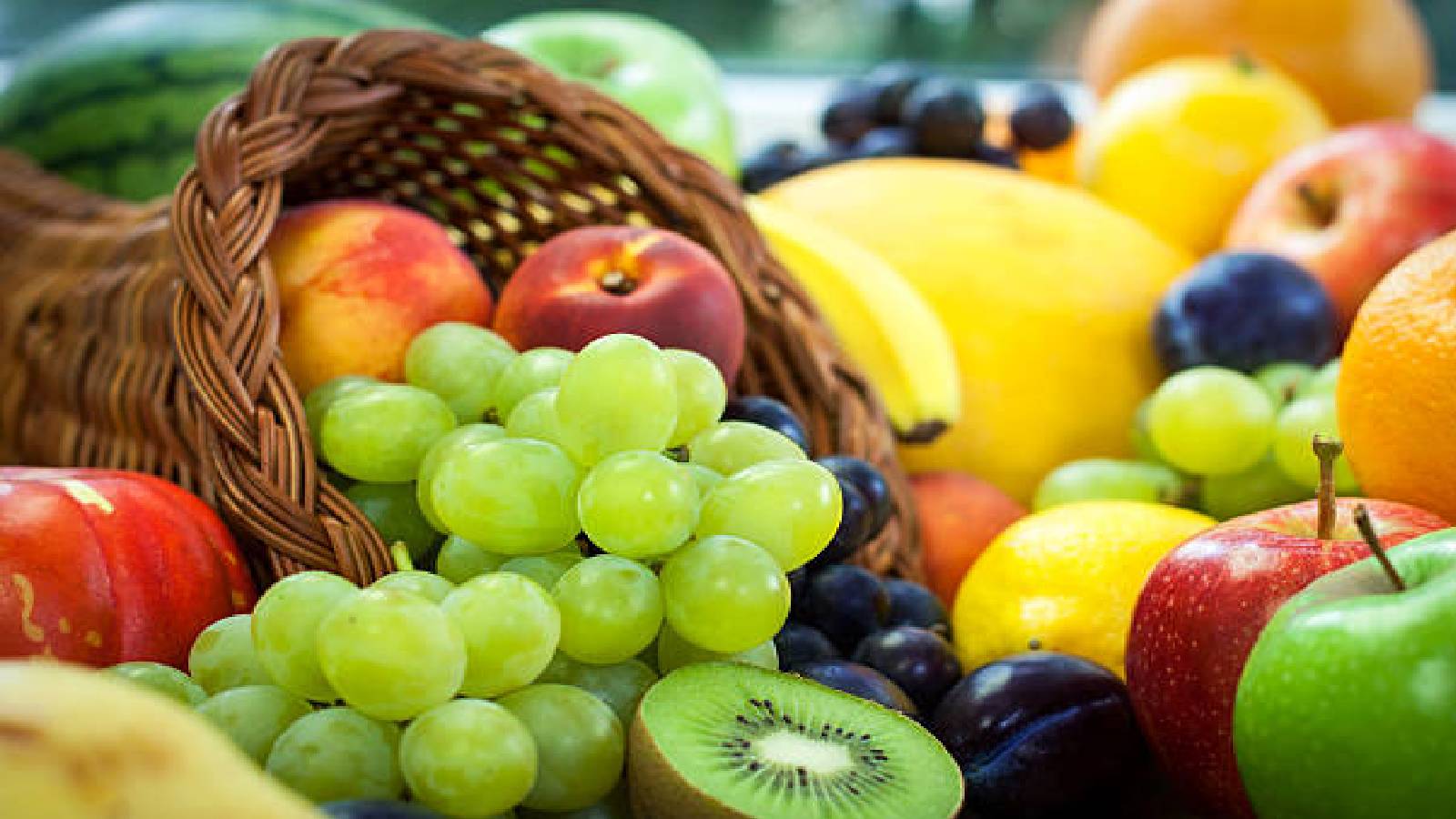
Unseasonal fruits are discouraged, reflecting a preference for produce that aligns with traditional agricultural cycles rather than greenhouse or imported fruits. This emphasis on seasonality mirrors both taste preferences and respect for natural growing cycles.
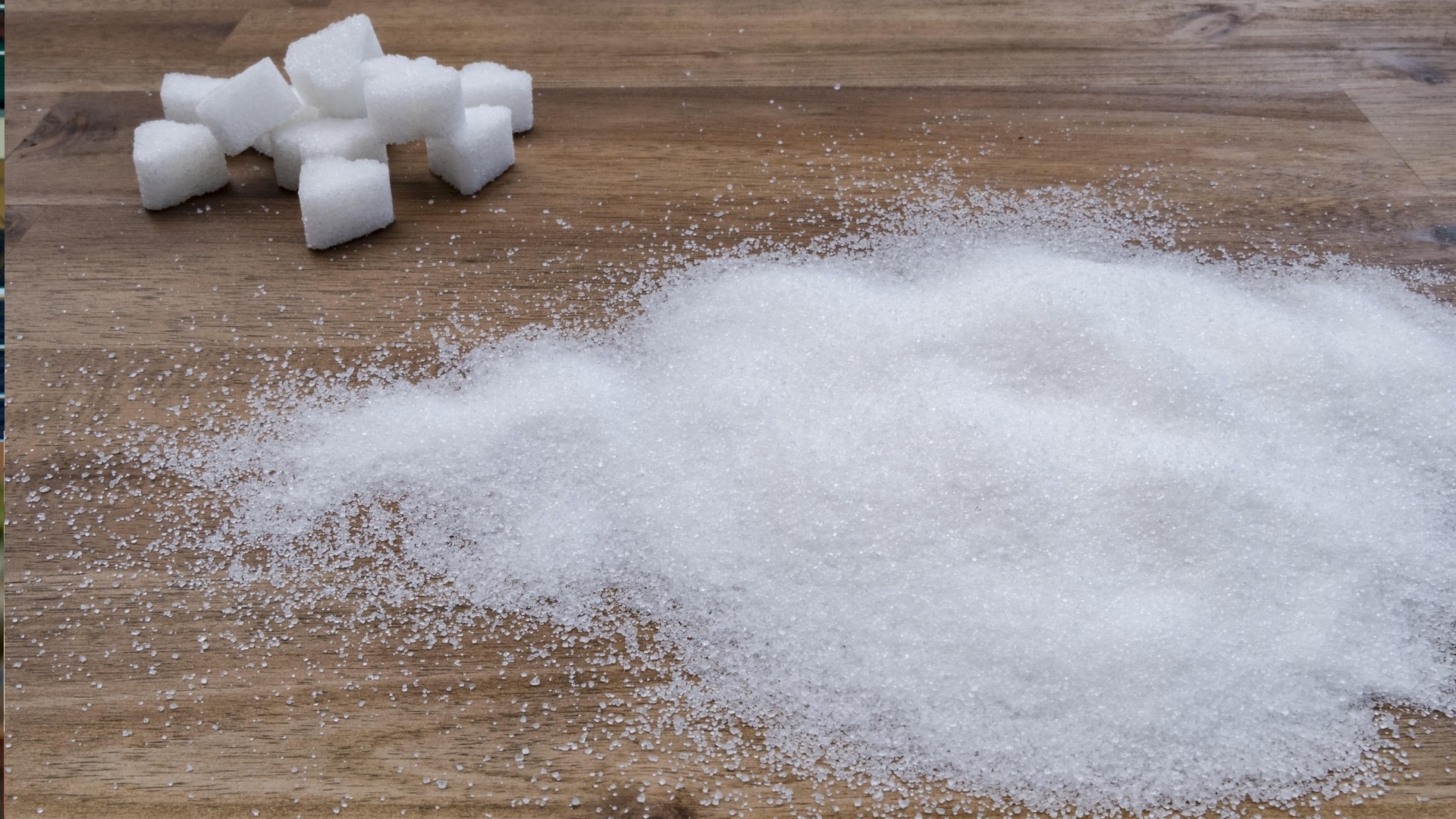
Refined sugars and artificial sweeteners: Lastly, refined sugars and artificial sweeteners are limited in many royal diets. King Charles is known to favour natural alternatives like honey, whereas the late Queen Elizabeth enjoyed chocolate in moderation.
These culinary choices reveal that royal meals are far more than lavish spreads: they are carefully curated to balance health, safety, social etiquette and ethical values — all while maintaining the image and responsibilities that come with a life of public service.