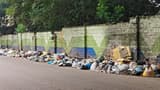
Plastic waste collected in the city will now be recycled for road construction, announced GBA Chief Commissioner Maheshwar Rao. The move aims to improve waste management, promote sustainability, and generate revenue for the city.
In an innovative step towards sustainable urban development, Bengaluru will now utilise plastic waste collected in the city for road construction, announced GBA Chief Commissioner Maheshwar Rao. Speaking on Tuesday during a ‘discussion over tea’ with sanitation workers at the Anjanapura ward mustering centre, Rao emphasised the need to improve waste management and create additional revenue streams for the city.
The event was part of the Swachh Survekshan 2025-26 initiative, aimed at enhancing cleanliness and waste utilisation in urban areas. Currently, the city collects 520 metric tonnes of low-grade plastic (RDF) daily, which is sent to cement factories, already generating some income. Rao highlighted that using excess plastic for road asphalting would further boost efficiency and sustainability.
Households Encouraged to Segregate Waste Properly
Rao stressed the importance of households segregating their wet and dry waste properly. He said that proper segregation would significantly improve waste management and make the process of recycling plastic for road construction more effective. Officials have been directed to ensure that excess plastic collected from households is channelled towards asphalting roads, creating both environmental and economic benefits.
Related Articles

Dry Waste Units to Be Established in All Wards
Currently, the GBA operates 190 dry waste collection centres across Bengaluru. Rao has now ordered that one such centre should be set up in each of the city's 369 wards. Officials have been instructed to identify suitable locations in wards where facilities do not exist yet. In Anjanapura, approximately 1.20 acres of vacant land near the existing dry waste collection unit has been earmarked for developing a construction debris processing unit and a biomethanation plant. Rao requested officials to prepare and submit a detailed project report for these facilities.
‘Suvidha Cabins’ and CCTV for Sanitation Workers
To improve the welfare of sanitation workers, Rao instructed that ‘Suvidha Cabins’ or amenity cabins should be constructed at all mustering centres to provide workers with a space to rest. Additionally, he directed the installation of CCTV cameras at these locations to ensure better monitoring and security. South Zone Commissioner K.N. Ramesh and other officials were present during the meeting, supporting Rao’s initiatives to enhance urban sanitation and sustainable waste management.