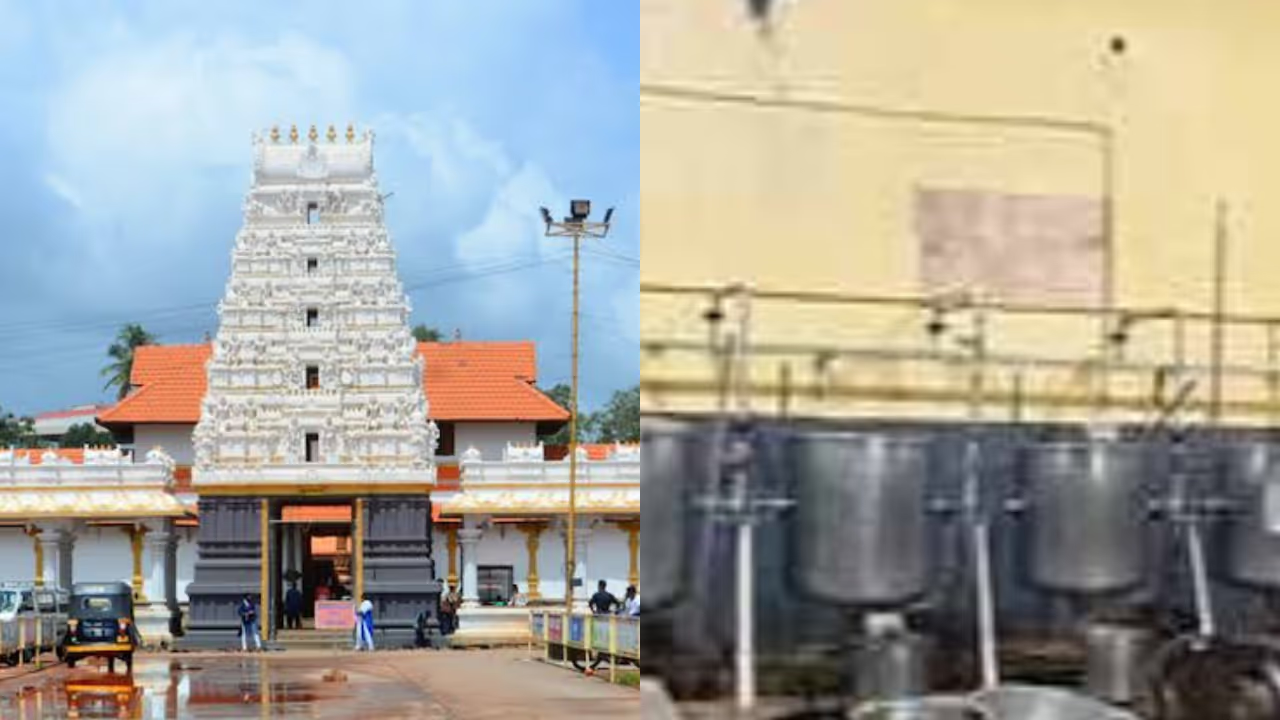
Puttur's Mahatobhara Sri Mahalingeshwara Temple has replaced LPG with an eco-friendly steam boiler fuelled by firewood and coconut shells. The ₹4 lakh initiative is expected to save nearly ₹85 lakh annually while supporting sustainable preparation of daily anna prasada.
The Mahatobhara Sri Mahalingeshwara Temple in Puttur, Dakshina Kannada, has significantly reduced its dependence on liquefied petroleum gas (LPG) by installing an eco-friendly steam boiler fuelled by firewood, dried tender coconut shells and coconut shells. The ₹4 lakh project is expected to help the temple save nearly ₹85 lakh annually in fuel costs while promoting sustainable cooking practices for the preparation of its daily anna prasada.
Steam Boiler Replaces LPG for Daily Cooking
Before the installation of the new system, the temple used an average of eight commercial LPG cylinders every day to prepare anna prasada for devotees.
With the introduction of the steam boiler, staple dishes such as rice, sambar, palya and payasa are now cooked using steam, almost completely eliminating the temple's dependence on LPG.
Related Articles

The temple serves anna prasada to between 3,000 and 5,000 devotees every day, including around 2,500 students from nearby schools and colleges. The number of beneficiaries increases significantly during festivals and other special occasions.
Rising LPG Costs Prompted the Shift
Temple Committee President Panjigudde Ishwara Bhat said the demand for anna prasada increased after the current committee expanded the menu by adding more items, including payasa. As a result, the temple's LPG consumption also increased substantially.
According to Bhat, the situation became more challenging when disruptions in LPG supply, linked to tensions around the Strait of Hormuz during the West Asia crisis, affected fuel availability.
To ensure the uninterrupted preparation of food, the temple temporarily switched to firewood-based cooking.
Community Support Strengthened the Initiative
Bhat said the temple later constructed a dedicated kitchen for firewood-based cooking as LPG prices continued to rise.
He added that devotees and donors began contributing essential items such as rice, vegetables and firewood required for preparing anna prasada. This community support enabled the temple to discontinue the use of LPG completely.
Tender Coconut Shells Used as Boiler Fuel
With financial assistance from Karnataka Bank and Canara Bank, the temple later installed the steam boiler, further strengthening its sustainable cooking initiative.
Bhat said one of the key advantages of the boiler is its low fuel consumption. Every Monday, devotees offer around 1,000 tender coconuts for abhisheka to the presiding deity. Instead of discarding the shells, the temple dries the tender coconut shells and uses them as fuel for the boiler.
In addition, coconut shells that were previously discarded are now used to generate steam for cooking anna prasada, reducing fuel costs while making productive use of natural resources.
The initiative has not only helped the temple minimise its fuel expenses but has also emerged as an environmentally sustainable model for large-scale community kitchens.