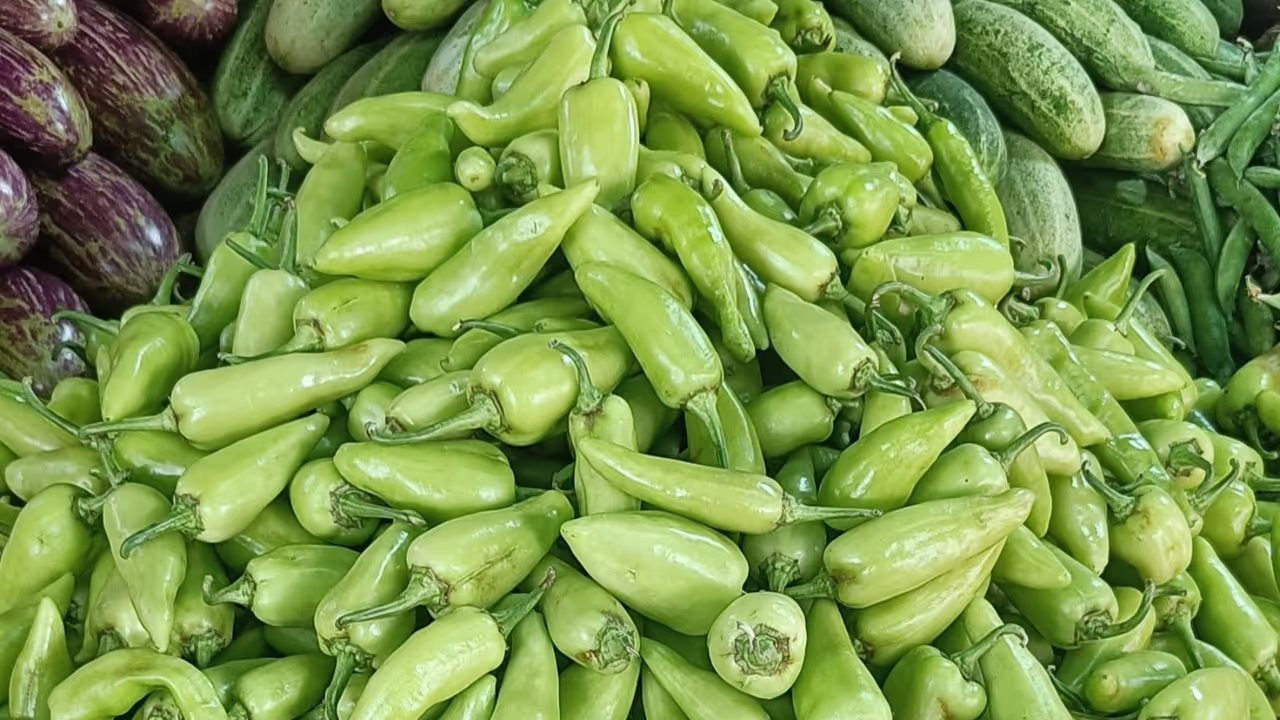
Gokarna chilli prices have surged sharply in Karnataka’s Sirsi market due to reduced supply and high demand. Crop losses among Halakki Vokkaliga farmers have pushed dried chillies to ₹200 per kg, while drumstick prices have also soared.
Gokarna chilli, a popular variety known for its distinctive flavour and widespread use across Karnataka, has witnessed a sharp rise in prices at the Sirsi market. The surge comes amid strong demand and a significant drop in supply, making the chilli increasingly expensive for consumers across the region.
Decline in Supply, Demand Remains High
Gokarna chilli, a major crop cultivated in the coastal parts of the district and renowned for making buttermilk chillies (Sandige Menasu), has seen its price nearly double in recent weeks. Farmers from the Halakki Vokkaliga community, who traditionally cultivate this chilli across 8 to 10 hectares in areas such as Rudrapada, Bavikodla, and Gangavali in Gokarna, have suffered considerable crop losses this season. The reduced arrival of chillies in the market has created a mismatch between supply and demand, pushing prices sharply upwards.
Prices Touch ₹200 Per Kg, Buyers Hesitant
At present, dried Gokarna buttermilk chillies are being sold in the Sirsi market at prices ranging from ₹150 to ₹200 per kg. The steep increase has made customers cautious, with many either cutting back on purchases or postponing them altogether.
Related Articles

Drumstick Prices Also Soar
Vegetable prices have risen across categories, with drumsticks becoming particularly expensive in the Sirsi market. Prices have crossed ₹300 per kg, and in some places, depending on quality, drumsticks are being sold for ₹400 to ₹500 per kg. Drumsticks, a staple ingredient in sambar, remain in high demand but are in short supply.
Reduced Supply From Tamil Nadu
According to vegetable trader Ganesh Nilekani, the supply of drumsticks to the Sirsi market has declined significantly. A large portion of the produce arrives from Tamil Nadu, where adverse weather conditions have led to delays in harvesting and a drop in overall yield, further tightening supply and driving prices higher.