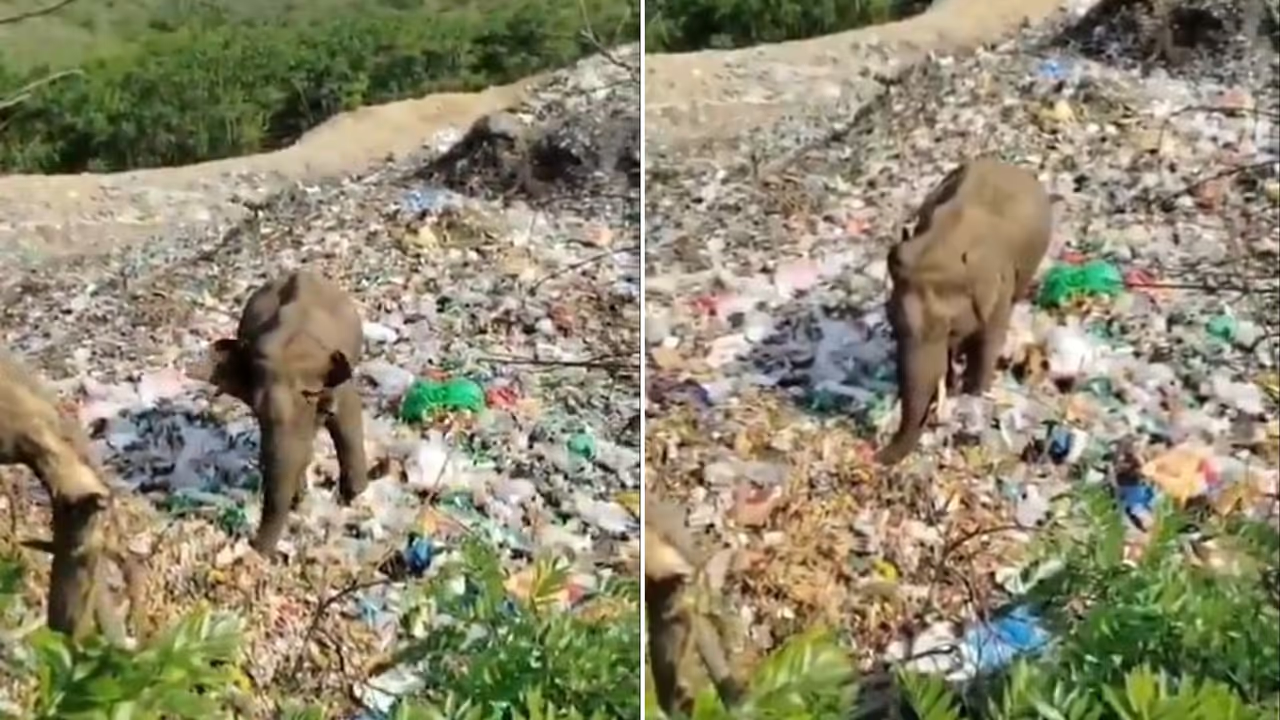
A wild elephant was spotted eating from a pile of plastic rubbish in Karnataka's Male Mahadeshwara Hills, a pilgrimage site. The viral video has sparked outrage over poor waste management and its impact on wildlife in this ecologically sensitive area, prompting an official investigation.
In the Male Mahadeshwara Hills (MM Hills) in Karnataka, a wild elephant was spotted looking for food amid piles of plastic rubbish. A video of the event has since sparked controversy on social media. After thousands of pilgrims visited the pilgrimage site over the weekend, trash is thought to have piled. Concerns around garbage and its effects on wildlife in the wooded region between two nature sanctuaries were rekindled by the video.
The area, which is home to the Male Mahadeshwara Swamy Temple, lies within a forested landscape between the Cauvery Wildlife Sanctuary and Biligirirangana Swamy Temple Tiger Reserve, making proper waste management particularly important for wildlife conservation.
Watch Viral Video
Related Articles

There are concerns that animals in the area may inadvertently eat hazardous waste while searching for food because the widely shared video depicts the elephant eating near heaps of plastic and other trash.
Concerned by the sight, several environmentalists and animal enthusiasts demanded more stringent waste management practices in and around the well-known pilgrimage site. A number of social media users also questioned how such massive volumes of trash were permitted to build up in a region that is recognised for its rich biodiversity and is environmentally sensitive.
Forest officials stated they had started an investigation into the issue in response to the public outcry. Officials said that anyone found to be at fault for the rubbish buildup in the region will face consequences.
Male Mahadeshwara Hills is located in a wooded area that provides elephants and other animals with a vital home. Conservationists have long cautioned that animals may be seriously endangered by poorly disposed of waste, especially when food scraps combined with plastic draw them to landfills.