The Bengaluru–Mysuru Expressway has collected ₹855.79 crore in toll revenue since opening. Data shows 1,674 accidents and 215 deaths in three years, raising safety concerns despite corrective measures, AI cameras and reduced speed limits.
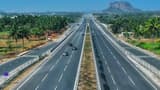
Since its opening to traffic, the Bengaluru–Mysuru Expressway has generated ₹855.79 crore in toll revenue, according to data provided by the National Highways Authority of India (NHAI). The toll collection covers three major plazas along the 118-km stretch and spans the period from 2022–23 to 2025–26, underscoring the heavy traffic flow on one of Karnataka’s busiest highways.
Toll Collection Across Three Plazas
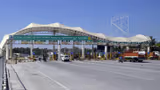
Of the total toll revenue, ₹282.14 crore was collected at the Kaniminike toll plaza in Bengaluru South taluk, ₹248.42 crore at the Sheshagirihalli toll plaza in Ramanagara taluk, and ₹325.23 crore at the Gananguru toll plaza in Srirangapatna taluk of Mandya district.
Public Works Minister Explains Toll Structure
Public Works Minister Satish Jarkiholi stated that vehicles travelling from Bengaluru towards Mysuru are required to pay toll at the Kaniminike plaza. Vehicles travelling from Mysuru to Bengaluru must pay at the Sheshagirihalli toll plaza near Bidadi, while those using the second phase of the expressway, from Nidaghatta to Mysuru, pay toll at the Gananguru plaza.
Related Articles

The minister shared this information in response to a question raised by Legislative Council member Madhu G. Madegowda during the winter session of the Legislature in Belagavi. The query pertained to toll collection and the rising number of accidents on the Bengaluru–Mysuru National Highway 275.
215 Deaths Reported in Three Years
Since its inauguration, the expressway has frequently made headlines due to a series of accidents, earning it the grim label of a “deathway”. Official data reveals that 1,674 accidents have occurred on the highway over the past three years, resulting in 215 fatalities and 311 serious injuries. More than 1,000 people have sustained minor injuries.
Second Phase Records Higher Fatalities
The Bengaluru–Mysuru Expressway was built in two phases—the first from Bengaluru to Nidaghatta, and the second from Nidaghatta to Mysuru. Accident statistics show that the second phase has witnessed a significantly higher number of fatalities.
Over the past three years, 76 deaths were reported on the Bengaluru–Nidaghatta stretch, while 145 fatalities occurred on the Nidaghatta–Mysuru section. Mandya district has recorded the highest number of accidents along the expressway.
Corrective Measures to Reduce Accidents
In 2023, the first year after the expressway became operational, 110 people lost their lives in road accidents. Of these, 33 deaths occurred on the Bengaluru–Nidaghatta stretch and 77 deaths on the Nidaghatta–Mysuru stretch.
Following public concern, the police department implemented several corrective measures, while the NHAI deployed expert teams to identify accident-prone black spots and recommend safety improvements. Measures such as the installation of AI-based speed-monitoring cameras were introduced, and authorities said these interventions have helped bring accident rates under control.
118-km Highway and Ongoing Safety Concerns
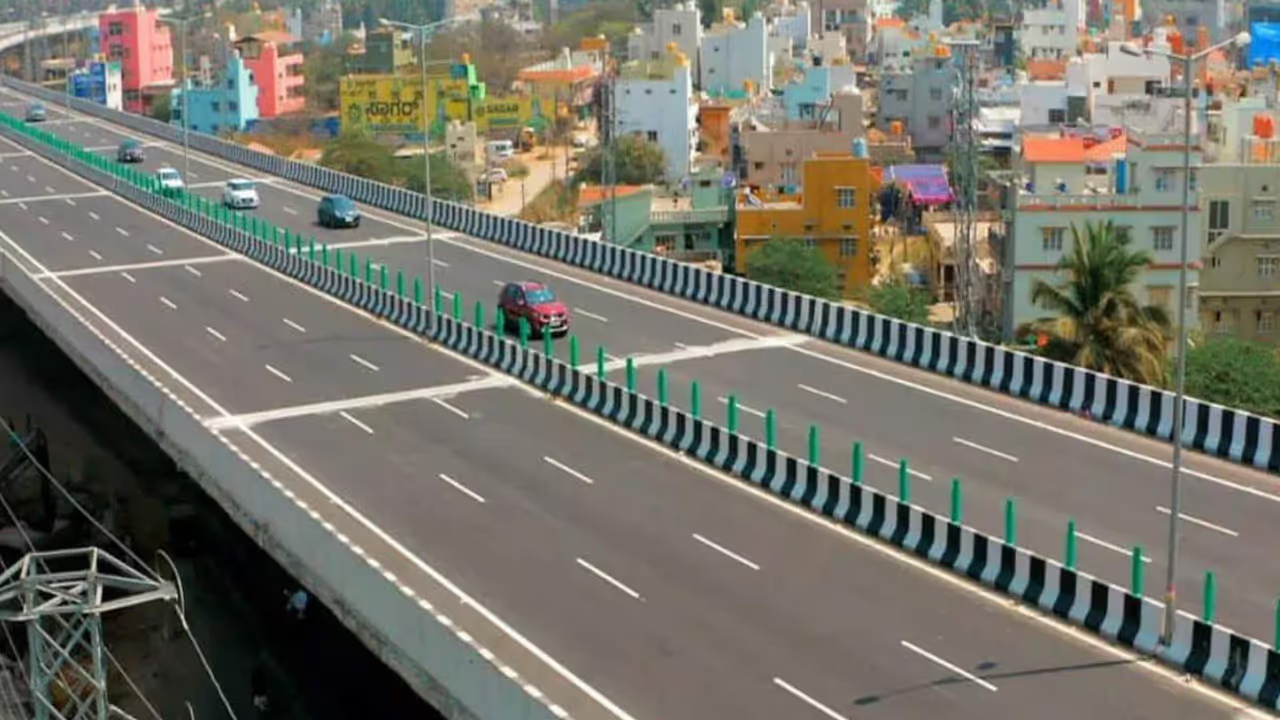
The 118-km-long expressway, constructed by the NHAI, was inaugurated by Prime Minister Narendra Modi in March 2023. The highway begins at Kumbalgodu in Bengaluru and passes through 55 km in Bengaluru South district, 58 km in Mandya district, and 5 km in Mysuru district.
Although the speed limit has been capped at 120 km per hour and surveillance cameras have been installed to penalise overspeeding vehicles, Madhu G. Madegowda said accidents continue to occur. He emphasised the need for stricter traffic regulation, improved passenger facilities, enhanced safety measures, and the early completion of pending service road works.