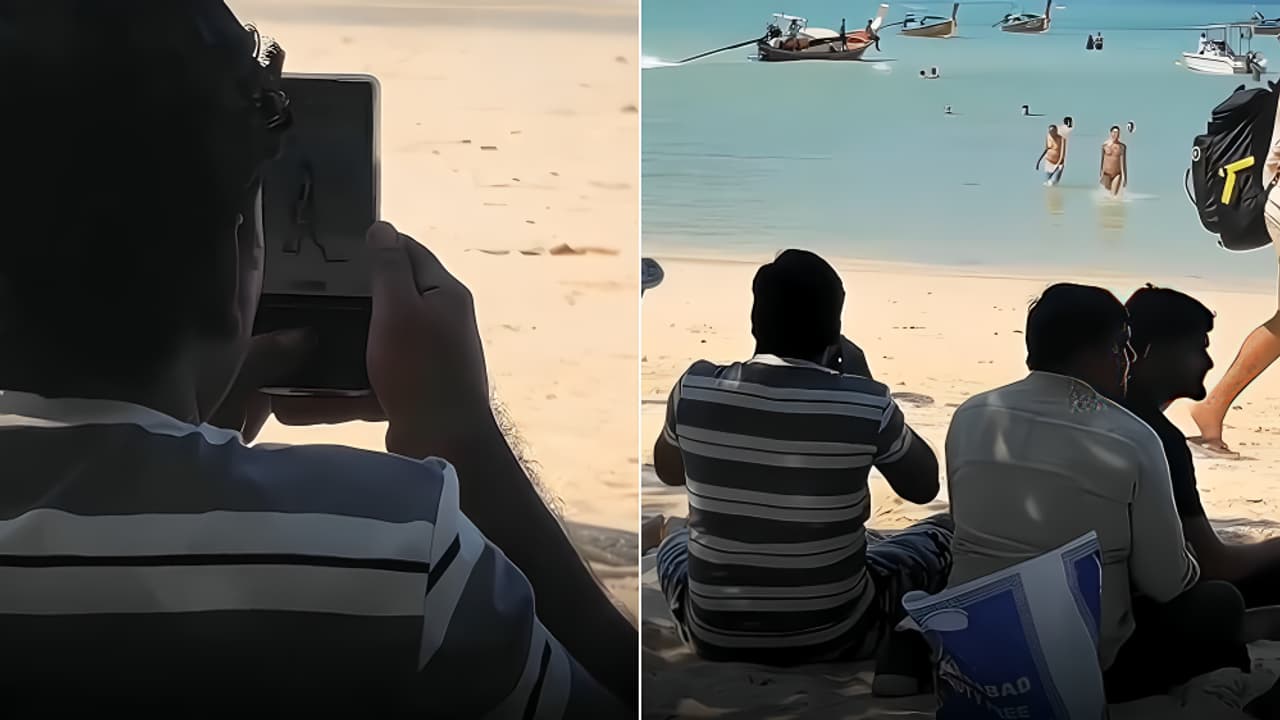
A viral Reddit video allegedly shows a man zooming in on women at a beach without consent, sparking outrage and debate. While many condemned the act as creepy, others questioned assumptions about nationality and legality.
A video shared on Reddit has triggered a heated online debate after showing a man at a beach, reportedly in Thailand, zooming in on women using his mobile phone. The clip, which has gone viral, has led to anger, shame and strong arguments about consent, public behaviour, stereotypes and privacy laws.
What the video shows
The Reddit post, titled 'The perverts between us', includes a short video clip filmed at a beach reportedly in Thailand. In the viral video, a man is seen sitting with a group of friends while using his phone camera to zoom in on women walking or sitting nearby.
Related Articles

The man filming the clip of man clicking unauthorised pics can be heard making a statement accusing the phone user of taking unauthorised pictures of women.
He says: "Look guys, this is what Indians do after coming here… taking pictures of foreign women without their consent… This is the reason why people from India are looked down upon."
The man zooming in on women does not appear to know his act is being filming. His friends can be seen chatting casually, while he continues to use his phone camera.
Strong backlash and anger on social media
The video quickly sparked outrage on Reddit. Many users strongly criticised the man seen zooming in on women, calling his behaviour disturbing and unacceptable.
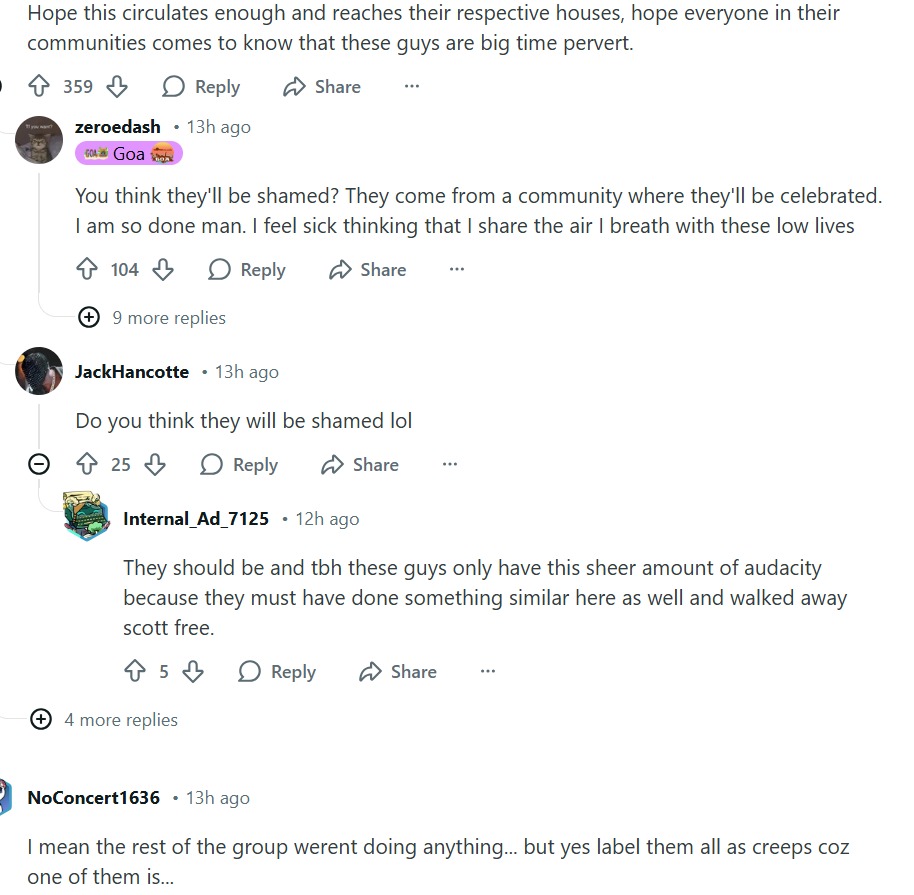
One user commented that the video should reach the man’s family and community so they would know about his actions. Another replied harshly, saying such behaviour would not bring shame but might instead be defended in some communities. Several comments expressed frustration, anger, and embarrassment.
One Reddit user wrote, 'Can’t defend my countrymen anymore. It’s so over,' while another made insulting remarks about tourists travelling to Thailand, using derogatory language.
These comments reflected both moral anger at the alleged act and wider frustration over how such incidents affect the image of entire communities.
Questions raised about nationality and assumptions
Not all users agreed with the way the man was identified. Some questioned how the person filming knew the men were Indian.
One comment asked whether the group could instead be from Pakistan, Bangladesh, or Sri Lanka, pointing out that not every brown-skinned person is from India. This led to further discussion about racial profiling and unfair generalisation based on appearance alone.
Several users warned against blaming an entire country or community based on the actions of one person, especially when the identity of those involved has not been verified.
Debate over consent and public filming
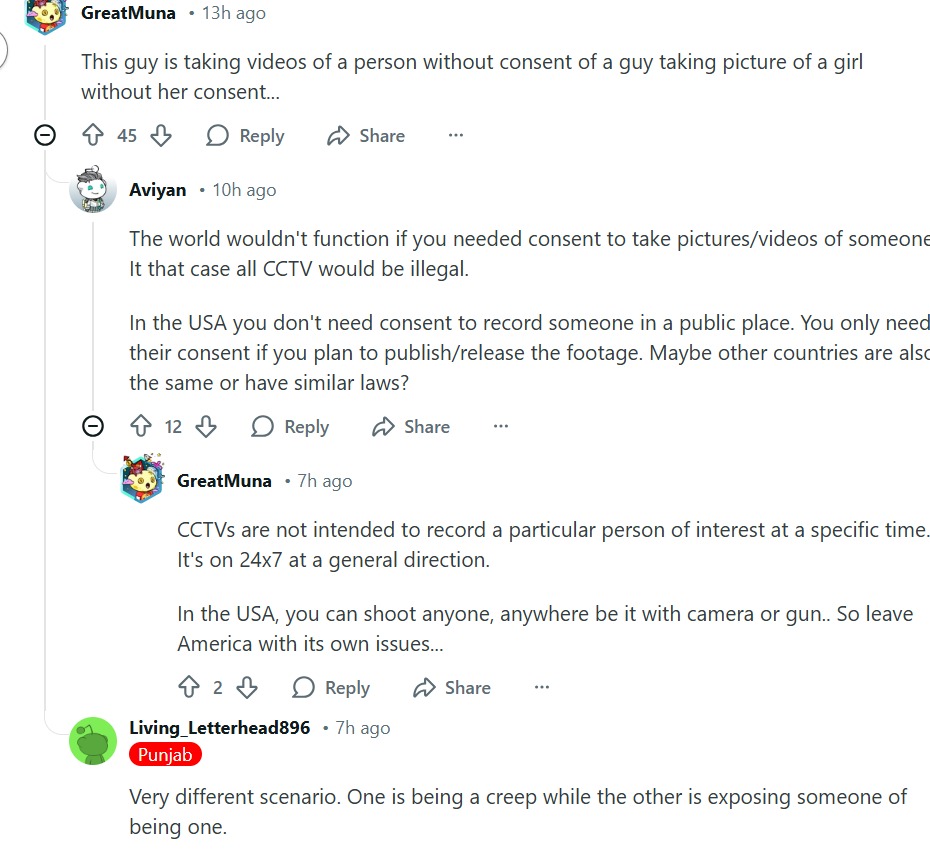
Another key debate focused on consent and legality. Some users pointed out that taking photos on a public beach is often legal. However, others argued that zooming in on a specific woman without her consent crosses a moral line, even if it may not break local laws.
One Reddit user explained that taking general pictures of a beach is acceptable, but intentionally centring and zooming in on a woman for personal use is wrong. They added that the act may be legal but still unethical and creepy.
'Is filming the accused person also wrong?'
Some users questioned whether the person recording the video was also violating consent by filming another man without permission. In response, others argued that exposing alleged inappropriate behaviour is different from secretly filming someone for personal gratification.
The discussion highlighted how modern smartphones, social media, and public spaces have blurred the lines between legal rights, privacy, and ethical conduct.
The viral beach video has become more than just a clip shared online. It has turned into a wider conversation about consent, public behaviour, stereotyping, and responsibility while travelling abroad. While the actions shown in the video have angered many, the reaction also shows the danger of jumping to conclusions without verified facts.
As the debate continues, one message remains clear: respect, consent, and responsible behaviour matter, no matter where someone is from or where they travel.