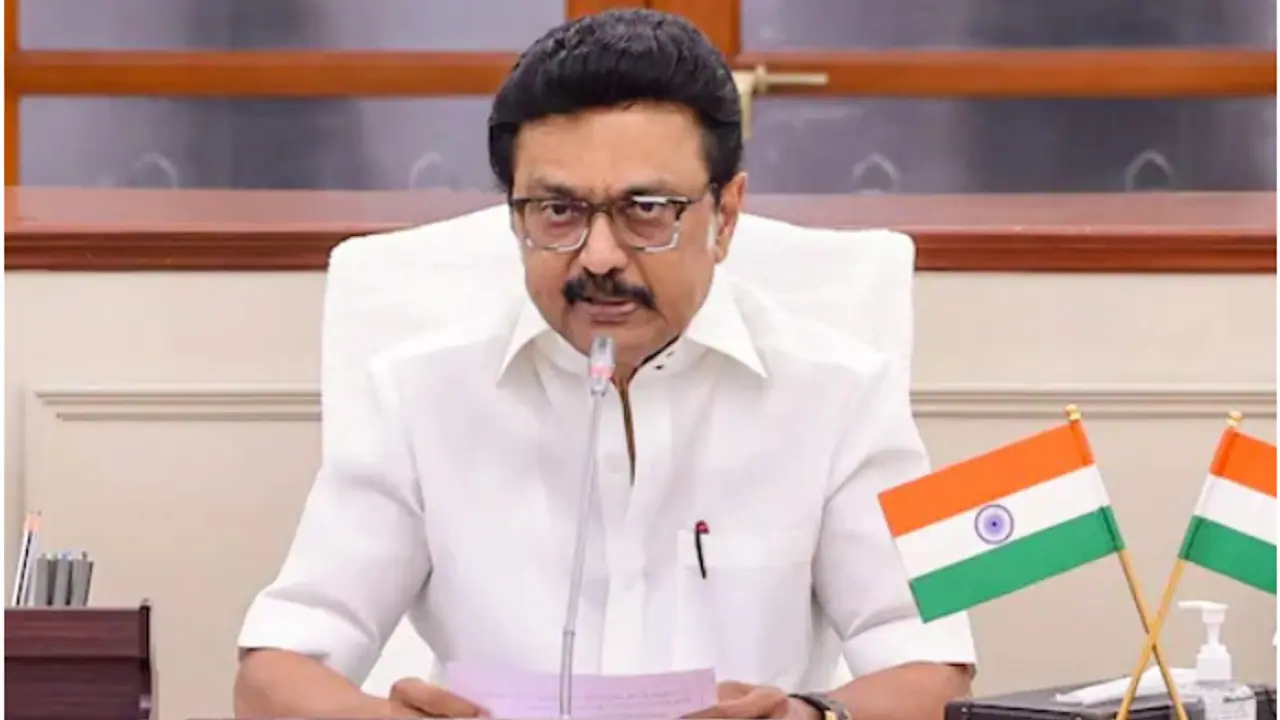
The DMK government in Tamil Nadu is preparing to introduce a bill that would ban Hindi hoardings, boards, films and songs across the state, officials say. The move is presented as a defence of Tamil identity and said to be constitutional.
The DMK-led government in Tamil Nadu, under Chief Minister M.K. Stalin, is reportedly preparing to table a bill today in the state assembly that would ban the use of Hindi in hoardings, boards, films and songs throughout the state. Though the move targets the presence of Hindi in public media and signage, government sources emphasise that the proposed law will be crafted to stay within constitutional limits.
An emergency meeting with legal experts was held by officials to ensure the draft bill addresses possible legal challenges.
Social media erupts with sharp criticism over proposed Hindi ban
Tamil Nadu Chief Minister M.K. Stalin's reported move to ban Hindi hoardings, films and songs has triggered a wave of backlash on social media.
Related Articles

X user Mudit Jain wrote, "First, Stalin ruined governance. Then, he destroyed the law and order. Now, he wants to ban Hindi movies, songs, and hoardings across the state. When you can’t unite people through development, you divide them through language."
Another user remarked on X, "A day is not far when Stalin's DMK will even try to change the words written in Hindi on currency notes," sharing a sarcastic image criticising the government’s move.
yet another comment on X read, “Stalin is going to ban Hindi music and in general usage in Tamil Nadu. Stalin was campaigning for RJD & Congress a month back,” linking the decision to political motives.
Many others called the proposal “unconstitutional”, arguing that such a law would not withstand judicial scrutiny. One user wrote, “Stalin can cope hard, he can’t ban an Indian language Hindi across the entire state. LoL!”
The online debate has quickly gained traction nationwide, with critics accusing the DMK of promoting linguistic divisiveness instead of focusing on governance and development.
Why is the DMK pushing this now?
DMK leaders argue that the bill is a response to what they describe as the imposition of Hindi over regional languages. Senior party leader T.K.S. Elangovan has said, "We won’t do anything against the Constitution. We will abide by it. We are against the imposition of Hindi."
This proposed step is seen by many as part of a longstanding linguistic politics in Tamil Nadu, where resistance to Hindi imposition has deep roots in the state’s political culture.
What could the bill do?
- Prohibit Hindi hoardings, boards, signages in public spaces across Tamil Nadu.
- Ban or restrict Hindi films and songs (or their exhibition) within the state, especially in official or public contexts.
- Include legal safeguards claiming constitutional compliance, to fend off challenges on grounds of freedom of speech or cultural rights.
- The exact terms, definitions, penalties, and enforcement mechanisms have not been made public yet.
Political reactions and criticisms
The BJP has strongly condemned the proposed bill. Vinoj Selvam described it as 'absurd' and warned against turning language into a political tool.
He also suggested that the DMK is seeking to shift focus away from issues such as the Foxconn investment controversy and legal setbacks in cases involving Thiruparankundram, Karur probe and Armstrong issues.
Observers note that Tamil Nadu governments have historically resisted the three-language formula (which promotes Hindi, English, and the regional language) in education, favouring a two-language policy (Tamil and English). Stalin has previously said the state would not oppose Hindi unless it was being imposed.
Earlier this year, the state had replaced the national rupee symbol (₹) with the Tamil transliteration ‘ரூ’ (ru) in its 2025-26 budget communications. That move, too, sparked debate over symbolism and language assertion.
Legal and constitutional challenges
A bill restricting language usage is a delicate legal matter. India's Constitution protects freedom of speech and expression (Article 19) and allows cultural and educational rights (Article 29, 30). Any restriction must be reasonable, proportionate and backed by law.
The Tamil Nadu government is reportedly trying to ensure the bill passes constitutional muster by involving legal experts in drafting, but such legislation is likely to face court challenges, especially on grounds of discrimination or infringement of minority rights.
Whether this bill could survive judicial scrutiny depends on how narrowly it is crafted, whether exemptions are allowed and whether it respects constitutional protections.
The wider historical and cultural context
Tamil Nadu has a long history of anti-Hindi agitations and movements opposing the imposition of Hindi over Tamil.
From the 1930s through the 1960s, there were periodic protests and political struggles to resist making Hindi compulsory, which eventually influenced language policy decisions by the central and state governments.
In Tamil politics, language is not just cultural, it is identity, pride, and political symbolism. Efforts like this proposed ban fit into that tradition of guarding Tamil’s space in public life.