
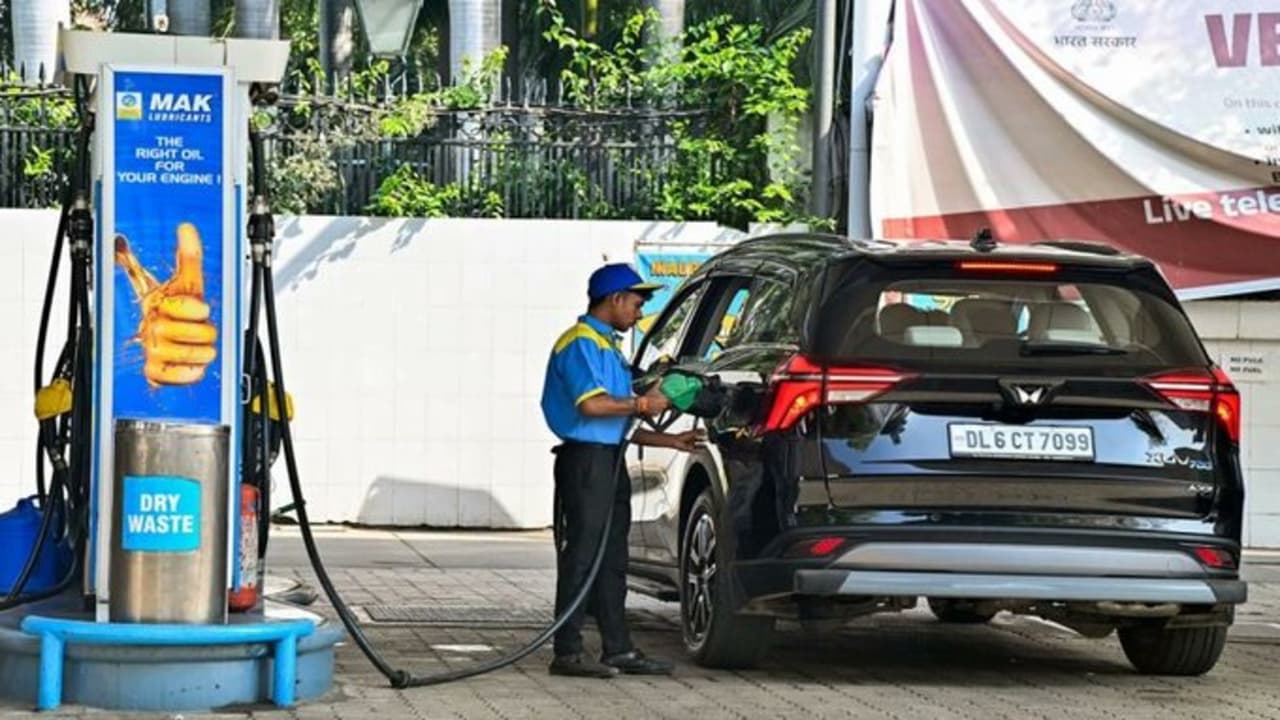
On July 6, petrol and diesel prices in India remained unchanged despite a fall in global crude oil prices. While softer international crude rates could lead to future price reductions, domestic fuel costs are not solely dependent on them.
Petrol and diesel prices across India remained unchanged on July 6 despite a decline in global crude oil prices, offering stability to consumers. Oil marketing companies continued with existing retail fuel rates, while international crude prices softened as shipping through the Strait of Hormuz improved and supply concerns eased.
Brent and WTI crude prices have retreated from recent highs, raising expectations that retail fuel prices in India could eventually witness relief if the softer trend continues. However, domestic petrol and diesel prices remain dependent on multiple factors, including international crude oil prices, exchange rates, taxes and the pricing decisions of state-run oil marketing companies.
City-wise Petrol & Diesel Prices (July 6, 2026)
| City | Petrol (Rs /litre) | Diesel (Rs /litre) |
| Delhi | Rs 102.12 | Rs 95.20 |
| Mumbai | Rs 111.21 | Rs 97.83 |
| Kolkata | Rs 113.51 | Rs 99.82 |
| Chennai | Rs 107.76 | Rs 99.55 |
| Bengaluru | Rs 111.68 | Rs 99.56 |
| Hyderabad | Rs 116.99 | Rs 105.03 |
Source: Daily retail fuel prices published by oil marketing companies.
Fuel prices in India are revised daily at 6 am under the dynamic pricing mechanism. Although rates are reviewed every day, they do not necessarily change unless global and domestic market conditions warrant an adjustment. Retail prices also vary from one state to another because of differences in Value Added Tax (VAT), dealer commissions and local levies.
Earlier this month, private fuel retailer Nayara Energy reduced petrol and diesel prices at its outlets, but state-run oil marketing companies have not announced similar cuts and continue to maintain existing prices across major cities.
Consumers are advised to check the latest fuel prices before refuelling, particularly if travelling between states where local taxes can significantly affect pump prices. Industry watchers will continue monitoring global crude oil movements, geopolitical developments and government policy decisions for any indication of future changes in retail fuel prices.
