World Pulse Day 2026: Eating Dal at the Right Time Can Boost Digestion, Say Experts
Many individuals avoid pulses because they make them feel bloated and heavy. Nutritionists say that how and when you eat is more important than what you eat.
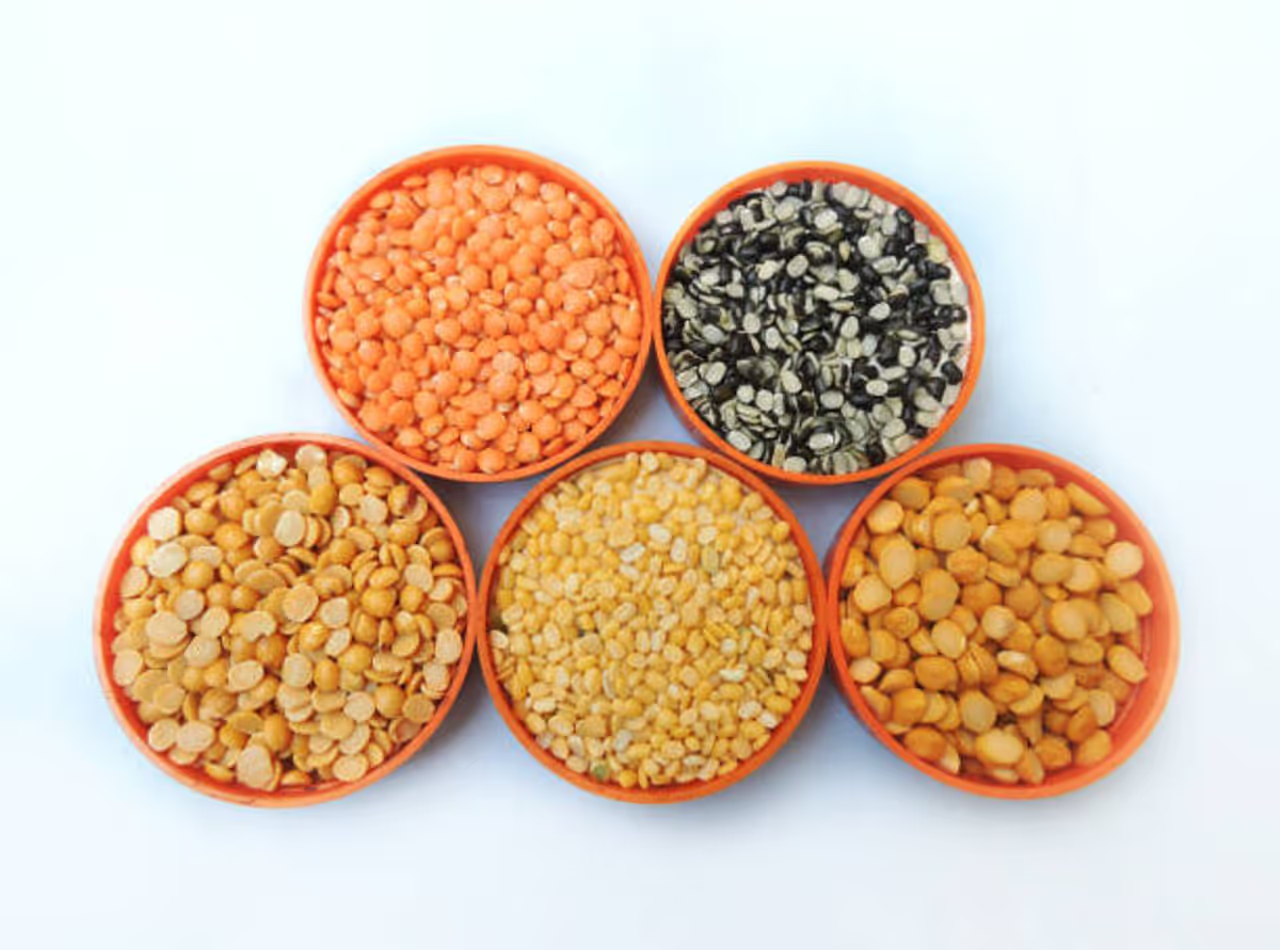
Experts Decode the Best Time to Eat Pulses for a Healthy Gut
Eating lentils mostly at lunch, lighter dals at supper, soaking them properly, and adding digestive spices can all help your gut health. Every Indian family has dal on the menu, whether it's dal chawal, rajma, chole, or chana. Pulses are good for your health and your wallet since they are high in protein, fibre, and other key elements. Many individuals still don't want to eat pulses since they make them feel bad or uncomfortable after meals.


Experts Decode the Best Time to Eat Pulses for a Healthy Gut
Nutritionists say that the fault is seldom with the pulses themselves. When and how they are eaten is what matters most.
When to eat pulses and why it matters Simrat Kathuria, a celebrity dietitian and wellness coach, says, "The timing and preparation of pulses matter more than the food itself." She says that the body's ability to digest and metabolise food is best during the day, especially from late morning to early afternoon.
"At lunch, it's best to eat pulses." Kathuria says that the body manages complex carbs and plant proteins far better than other types of food. This makes gas, bloating, and heaviness after meals go away. This is also why dal has historically been served at lunch instead of dinner in traditional Indian diets.
Experts Decode the Best Time to Eat Pulses for a Healthy Gut
Why pulses might feel heavy at night The body naturally slows down digestion as the day comes to an end. Eating meals high in fibre and protein late at night might make the intestines work too hard. "Digestion slows down a lot at night." Ginni Kalra, Head of Dietetics at Aakash Healthcare, adds that eating heavy pulses like rajma, chole, and entire dals too late might make you feel bloated and uncomfortable.
She also says that lighter dals like moong or masoor may still be okay to consume if they are eaten at least two to three hours before bed and in fewer amounts.
Should you eat pulses in the morning? For most people, having strong pulses first thing in the morning isn't good. Kalra says, "Starting the day with rajma or chole can be too much for the digestive system." “Light options like moong dal chilla or a small bowl of sprouts can work, but only if your stomach can handle them.”
Experts Decode the Best Time to Eat Pulses for a Healthy Gut
It's important to pay attention to your own tolerance, especially if you have acid reflux, IBS, or a sensitive stomach.
Making pulses simpler to digest is what preparation does. Experts agree that the way pulses are cooked is just as essential as when they are consumed. Kathuria states, "Soaking whole pulses for at least 6 to 8 hours lowers anti-nutrients like phytic acid and makes them easier to digest." "Sprouting and pressure cooking break down complex fibres even more, which makes it easier for the body to absorb nutrients."
Kalra says that even soaking for only three to four hours will help lower the amount of starch and keep your stomach from hurting.
Experts Decode the Best Time to Eat Pulses for a Healthy Gut
The function of traditional Indian spices There is a reason why Indian chefs have utilised digestive spices for a long time. Kalra explains, "Our grandmothers didn't just add jeera, hing, ginger, ajwain, or haldi." "These spices get the digestive enzymes going and stop gas from forming."
Kathuria agrees and says that these kinds of spices assist keep the stomach in balance while also making food taste better and helping the body absorb nutrients.
The size of the portion is the most important thing. Pulses are nutritious, but that doesn't imply they should be the main food on the menu. Kalra says, "Dal should support the meal, not take over." "One serving with one to two rotis or a small amount of rice, along with vegetables or salad, is best."
Experts Decode the Best Time to Eat Pulses for a Healthy Gut
Kathuria says that mixing pulses with grains and vegetables helps the body absorb amino acids better while also keeping digestion going smoothly. You don't have to be afraid of pulses or cut them out of your diet.
During the day, especially after lunch, when digestion is greatest, is the optimum time to eat pulses. Pick lighter foods for supper, soak and prepare them right, add spices that help digestion, and don't eat too much.
Experts Decode the Best Time to Eat Pulses for a Healthy Gut
Kathuria says, "Eating pulses at the right time and in the right way can help with gut health, metabolic balance, and overall health."
Your digestion changes throughout time. And dal goes back to being what it was originally supposed to be: good for you, soothing, and easy on the body.
Explore the latest Lifestyle News covering fashion, wellness, travel, Food and Recipes, and more. Stay updated with trending Health News, fitness tips, and expert insights to inspire your daily living. Discover personalized lifestyle trends that keep you stylish and informed. Download the Asianet News Official App from the Android Play Store and iPhone App Store for everything that adds value to your everyday life.