Plastic Bottles: That Number At The Bottom? It Could Be A Health Warning
Have you ever noticed the number printed at the bottom of your plastic water bottle? It reveals the type of plastic used and whether the bottle is safe for drinking or repeated use.
15
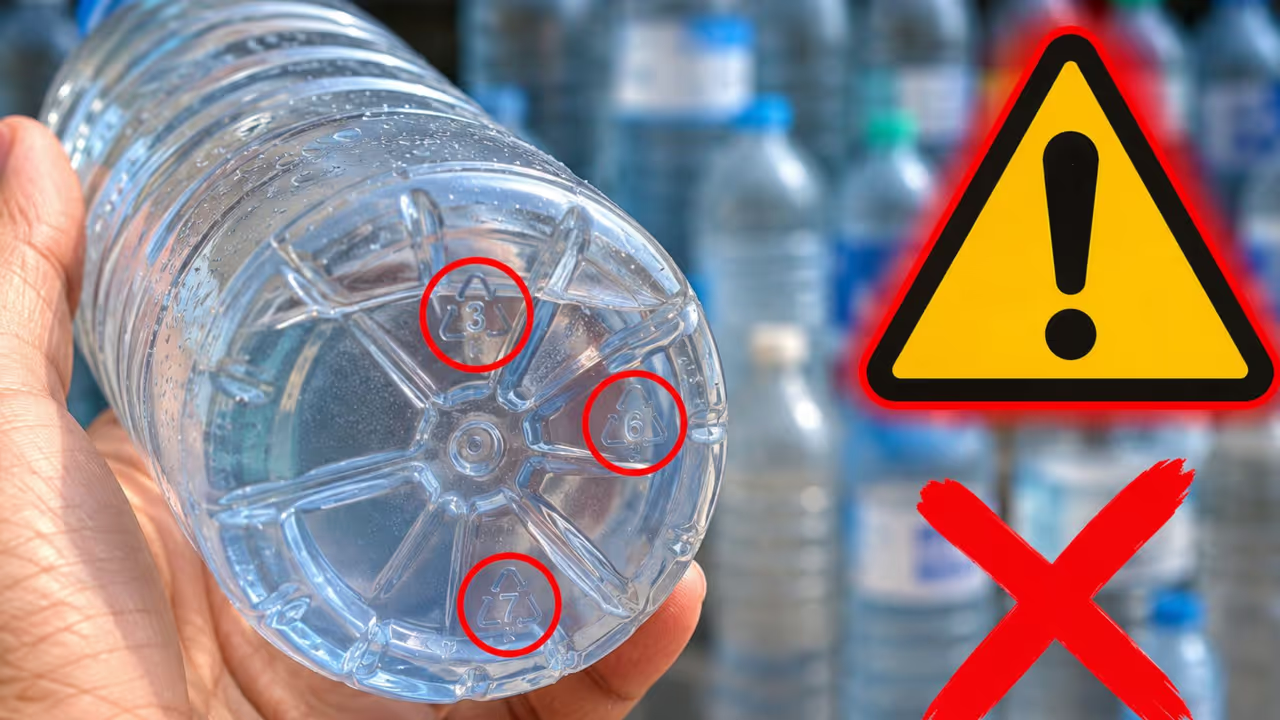
Image Credit : Asianet News
Plastic Bottle
Plastic bottles have become a part of our daily life, from tiffin boxes to water bottles. But have you ever noticed the triangle symbol with a number from 1 to 7 at the bottom? Many people think it's just a company's production number. But actually, it's a crucial chemical symbol called a Plastic Resin Code. This code decides your health. Let's find out which number plastic is safe to use and which one you should throw in the bin right away. The truth might shock you.
Add Asianet Newsable as a Preferred Source
25

Image Credit : stockPhoto
Number on plastic bottle
All plastics are not the same. Some plastics are made for single use, while you can reuse others. And some are highly toxic. The 'Society of Plastics Industry' (SPI) introduced this 1 to 7 coding system. They did this to help people choose safe plastics and to make recycling easier.
35
Image Credit : Gemini
The secret of numbers 1 to 7 in plastic bottles: Which is safe?
Here's the full breakdown of the numbers in the triangle and their risks:
1. Number 1 (PET or PETE)
You'll find this number on mineral water, cool drinks, and juice bottles you buy from stores. These are 'single-use' plastics. You should not refill and use these bottles again and again. When you use them repeatedly, a dangerous chemical called 'Antimony' can mix with the water and enter your body.
2. Number 2 (HDPE)
This number is on thick plastic containers, milk cans, shampoo bottles, and detergent bottles. People consider this the safest plastic. Chemicals from it do not easily get into your food or water. It's also easy to recycle.
3. Number 3 (PVC or V)
Companies use this for plastic pipes, mats, toys, and medical equipment. This is a very toxic and dangerous plastic. It contains cancer-causing chemicals like Lead and Phthalates. You should never let this type of plastic come in contact with food items.
45
Image Credit : Getty
Recycling is a bit difficult
4. Number 4 (LDPE)
You'll see this number on plastic bags from grocery stores and covers for packing bread and vegetables. It is flexible and safe to use. However, recycling these is a bit difficult, so they are not great for the environment.
5. Number 5 (PP - Polypropylene)
This number is on the lunch boxes, curd tubs, medicine bottles, and baby milk bottles we use at home. This is the safest among all plastic types. It can handle high temperatures. That's why companies make microwave-safe containers from this plastic.
6. Number 6 (PS - Polystyrene)
You can find this in Thermocol tea cups, disposable plates, and fast-food containers. It is very harmful to health. When you put a hot drink or food in it, a toxic chemical called 'Styrene' mixes with the food. This can affect your nervous system.
55
Image Credit : Social Media
Large water cans
7. Number 7 (OTHER or PC)
This is used for large water cans (20 litres), sports water bottles, and electronic items. This category includes other mixed plastics that don't fit into the 1 to 6 categories. There's a high chance it contains a dangerous chemical called 'Bisphenol A' (BPA). This chemical can mess with your body's hormone balance. So, you should only use a number 7 bottle if it says 'BPA Free'.
When you buy plastic items, use them for food and water only if they have the numbers 2, 4, or 5 at the bottom. It's best for you and your family to avoid using plastics with numbers 1, 3, 6, and 7 for food. But if possible, switching to stainless steel, copper, or glass bottles is the best way to a healthier life.
Explore the latest Lifestyle News covering fashion, wellness, travel, Food and Recipes, and more. Stay updated with trending Health News, fitness tips, and expert insights to inspire your daily living. Discover personalized lifestyle trends that keep you stylish and informed. Download the Asianet News Official App from the Android Play Store and iPhone App Store for everything that adds value to your everyday life.
Latest Videos