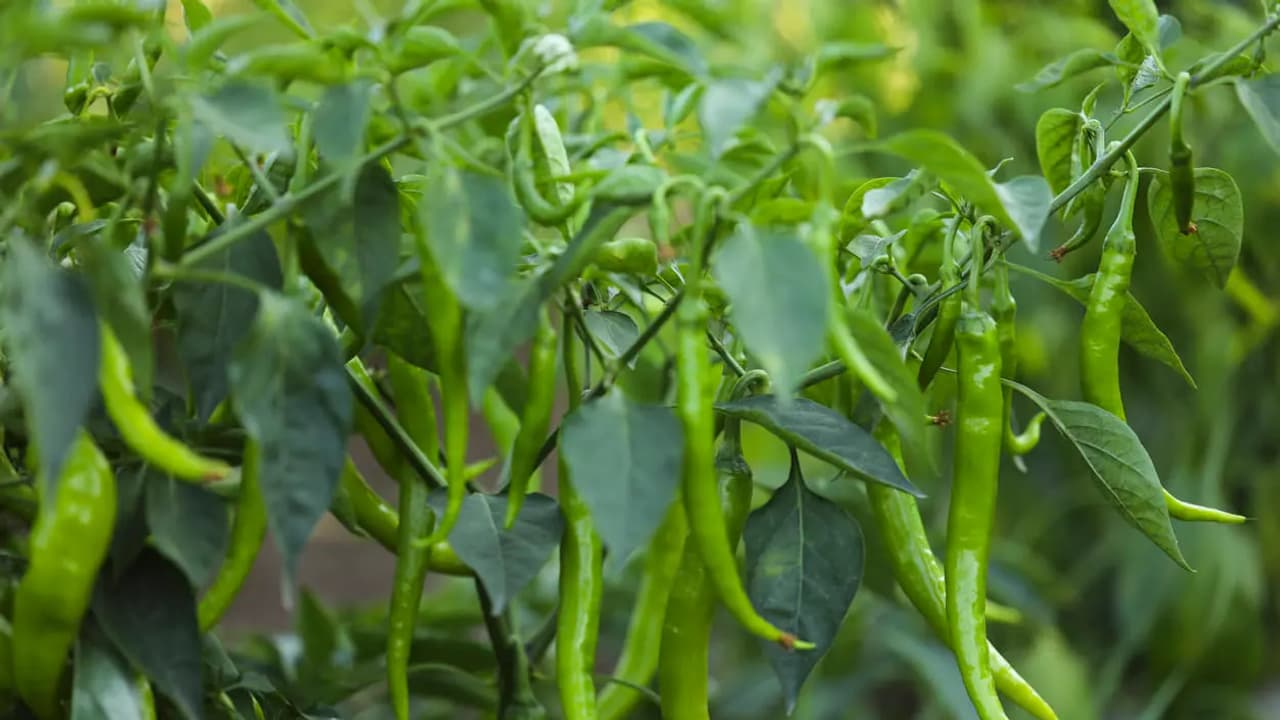
Curling leaves, weak new shoots, or tiny insects under chilli plant leaves could signal a pest attack. Spotting these warning signs early and using simple DIY remedies can help keep your plants healthy and productive.
Hot and humid weather, poor air circulation, overcrowded planting, and improper care are the main reasons sap-sucking pests attack chilli plants. The good news is that you don't need expensive chemicals to protect your plants. Here are some simple home remedies to keep them healthy.
Are your chilli plant's leaves curling? Do the new shoots look weak or shrunken? Have you noticed tiny green, black, or white insects under the leaves?
If yes, your plant is likely being attacked by sap-sucking pests. These insects feed on the plant's sap, weakening it, slowing its growth, and causing smaller or misshapen chillies. The good news is that early treatment can save your plants without harsh chemicals.
Related Articles

Why do sap-sucking pests attack chilli plants?
Common pests such as aphids, whiteflies, thrips, and spider mites thrive in hot and humid conditions. Overcrowded plants reduce air circulation, creating the perfect environment for these pests. Using too much nitrogen-rich fertiliser also produces soft new leaves, making chilli plants more vulnerable to infestation.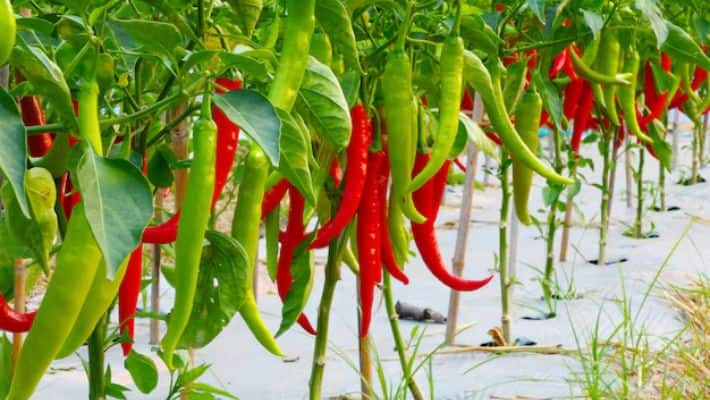
How to spot a sap-sucking pest attack?
Look for new leaves curling inwards. If you see a sticky liquid on the leaves or tiny ants crawling on the plant, these are sure-shot signs of a pest infestation. Sometimes, the leaves turn a pale yellow, and the plant's growth slows down. If you ignore these signs, it will affect the flowers and fruits too.
DIY Neem Oil Spray: The most effective solution
Neem oil is a fantastic natural pesticide. Just mix 5-7 ml of neem oil and a few drops of liquid soap in one litre of water. Shake it well and spray this solution thoroughly on the leaves, especially on the underside. Do this in the morning or evening, once or twice a week. You'll see the number of pests go down significantly.
Garlic and Green Chilli Spray
Grind 10-12 garlic cloves and 2-3 green chillies into a paste. Soak this paste in one litre of water overnight. The next day, strain the water and pour it into a spray bottle. The strong, pungent smell of this spray will drive away most sap-sucking pests.
Using a mild soap solution
If the pest problem is still small, you can simply mix half a teaspoon of a mild liquid soap in one litre of water and spray it on the plant. This solution breaks down the outer layer of the pests and slowly kills them. But remember, never use detergent powder, as it can burn the leaves.
A strong jet of water can also help
In the early stages, you can just use a water pipe to spray a strong jet of water on the underside of the leaves. This will physically wash away the pests. Afterwards, make sure the plant gets enough sunlight and air, so the leaves don't stay damp for too long.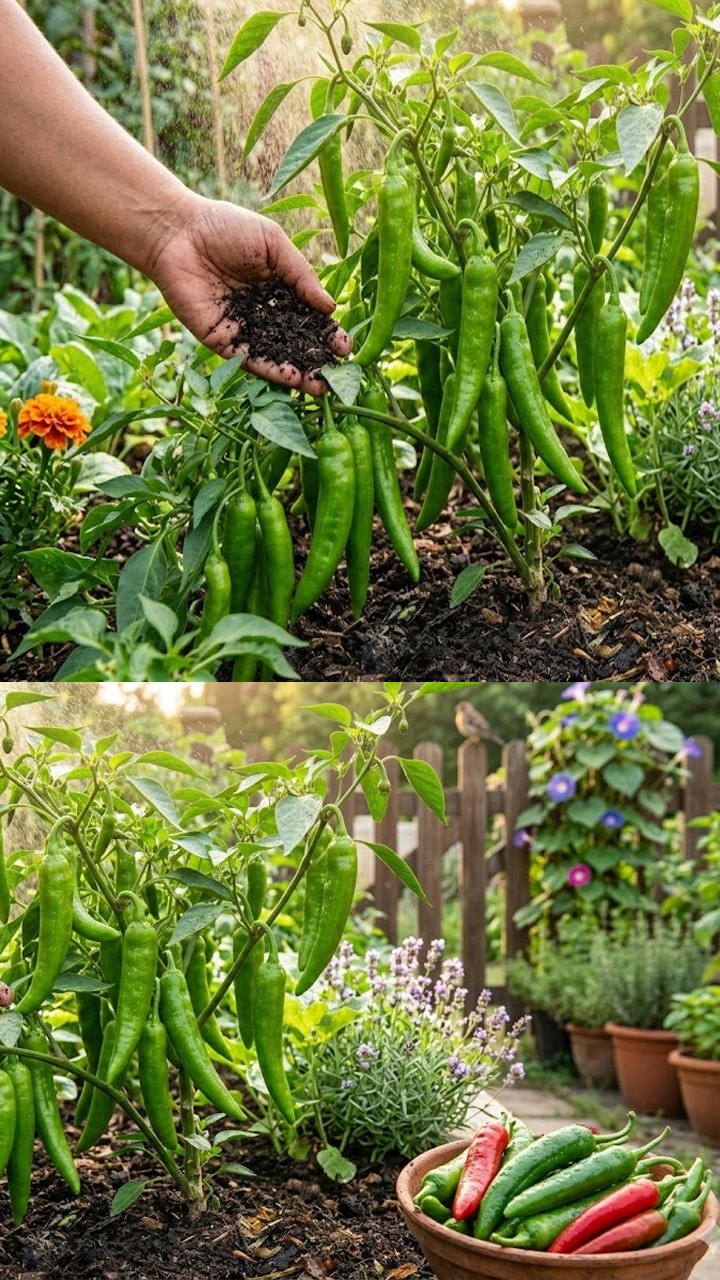
Use yellow sticky traps
Flying pests like Whiteflies are very attracted to the colour yellow. Placing yellow sticky traps between your plants can help catch these pests and stop them from spreading.
Regular cleaning is a must
Always remove dried leaves, infected branches, and weeds from your garden. A clean garden gives pests fewer places to hide and breed. Also, make sure there's enough space between your plants for good air circulation.
Control the ants, too
Aphids and ants have a close relationship. Aphids release a sweet, sticky liquid that ants love to eat. In return, ants protect the aphids from predators. So, if you control the ant population around the base of your plant, you'll find that the aphid problem also reduces a lot.