
- Home
- Lifestyle
- Turmeric to Ashwagandha to Ginger-7 herbs that help fight inflammation and boost immunity
Turmeric to Ashwagandha to Ginger-7 herbs that help fight inflammation and boost immunity
Many herbs and spices have anti-inflammatory properties due to their high antioxidant content. These compounds help reduce inflammation by neutralising harmful molecules known as free radicals, which can damage cells and cause inflammation.
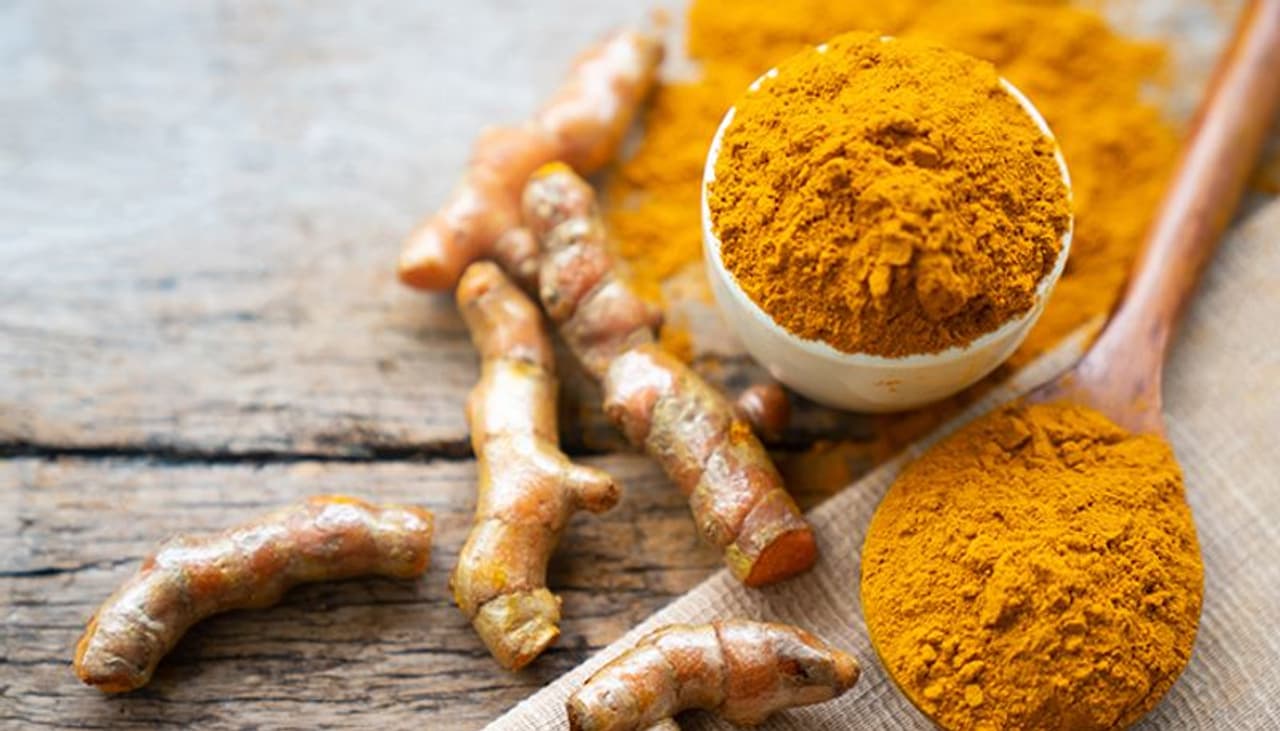
India has a long history of using plants for therapeutic purposes, many of which have potent anti-inflammatory qualities. Certain household spices and herbs contain anti-inflammatory characteristics that can help decrease inflammation and avoid chronic health issues. Turmeric, which includes curcumin, has been demonstrated to have significant anti-inflammatory properties and may help relieve symptoms of arthritis, inflammatory bowel disease, and other chronic inflammation-related illnesses. Here are some Indian herbs with anti-inflammatory qualities.


Turmeric:
Turmeric is a prominent spice in Indian cuisine that includes curcumin, a substance with significant anti-inflammatory properties. It is widely used in Ayurvedic medicine to treat a variety of inflammatory diseases.
Ginger:
Ginger is another anti-inflammatory spice often used in Indian cooking. It includes anti-inflammatory compounds known as gingerols and shogaols.
Tulsi, aka Holy Basil:
Holy basil, is a plant utilised in Ayurvedic medicine for its anti-inflammatory and immune-boosting effects. It is available in the form of tea, pills, or extracts.
Ashwagandha:
This is an adaptogenic herb that can help to relieve inflammation. In Ayurvedic medicine, it is often used to treat a variety of illnesses, including arthritis and other inflammatory problems.
Boswellia:
Serrata resin, sometimes called Indian frankincense, is derived from the Boswellia serrata tree. It includes boswellic acids, which can successfully cure osteoarthritis and other inflammatory disorders by reducing inflammation.
Amla:
Amla, also known as Indian gooseberry, is an antioxidant-rich fruit with anti-inflammatory qualities. It can be ingested fresh, as juice, or as supplements.
Neem:
Neem is a tree utilised in Ayurvedic medicine for millennia. It includes substances that are anti-inflammatory, antifungal, and antibacterial. It is available in extracts, powders, and oils.
These are only a handful of the numerous Indian herbs with anti-inflammatory qualities. Before utilising any herbal medicines, it is critical to contact a medical practitioner, especially if you are taking medication or have a pre-existing medical condition.
Also Read: Eid 2023: 7 ways to celebrate Eid Ul-Fitr with friends and family
Also Read: Follow these 5 tips to take care of menstrual hygiene this summer
Explore the latest Lifestyle News covering fashion, wellness, travel, Food and Recipes, and more. Stay updated with trending Health News, fitness tips, and expert insights to inspire your daily living. Discover personalized lifestyle trends that keep you stylish and informed. Download the Asianet News Official App from the Android Play Store and iPhone App Store for everything that adds value to your everyday life.