Gardening Tips: These Stunning Plants Could Be Surprisingly Toxic At Home
Some popular plants like Dumb Cane, Foxglove, Oleander and Monkshood may look beautiful but contain dangerous toxins. These plants can cause skin irritation, heart problems, hallucinations, or poisoning if touched or swallowed.
Dumb Cane: The Silent Danger Indoors
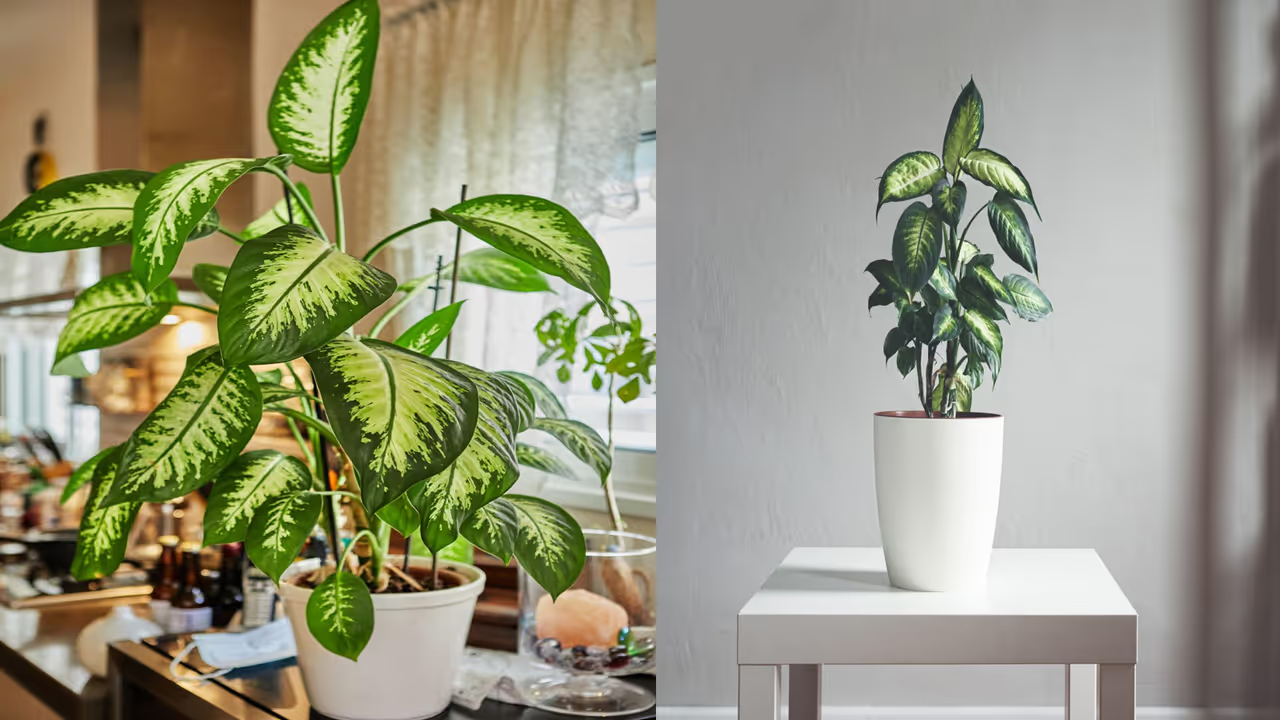
Dumb Cane is a popular indoor plant known for its lush green leaves. However, its leaves contain calcium oxalate crystals that can trigger severe burning, swelling, and irritation if touched or chewed. In serious cases, swallowing it may temporarily affect speech and breathing.


Castor Plant: Home to Deadly Ricin
The Castor Plant attracts attention with its striking red seeds and broad leaves. But those seeds contain ricin — one of the world’s most dangerous natural toxins. Even swallowing one or two seeds can be fatal, while broken seeds may irritate the skin and eyes.
Angel’s Trumpet: Beautiful but Hallucinogenic
With its large trumpet-shaped flowers and sweet fragrance, Angel’s Trumpet looks enchanting in gardens. However, it contains toxic tropane alkaloids that may cause hallucinations, confusion, paralysis, and severe poisoning if touched or consumed.
Foxglove: Pretty Flowers, Dangerous Effects
Foxglove’s colourful bell-shaped flowers make it a garden favourite. The plant contains digitalis, a chemical used in heart medicines. But consuming the wrong amount can become highly toxic, causing nausea, dizziness, irregular heartbeat, and even heart failure.
Deadly Nightshade: Poison Hidden in Berries
Deadly Nightshade may look harmless with its shiny black berries, but it is considered one of the world’s most poisonous plants. Its toxins — atropine and scopolamine — can severely affect the nervous system and may become life-threatening if ingested.
Monkshood: The ‘Queen of Poisons’
Monkshood’s striking purple-blue flowers hide a dangerous secret. The plant contains aconitine, a toxin so powerful it can enter the body through the skin. Touching it may cause numbness, tingling sensations, and irregular heart rhythms.
Oleander: A Garden Beauty with Toxic Sap
Oleander is admired for its vibrant pink, white, and red blooms, but every part of the plant is poisonous. It contains cardiac glycosides that can affect the heart. Swallowing any part may cause vomiting, dizziness, and heart failure, while its sap can irritate the skin.
Explore the latest Lifestyle News covering fashion, wellness, travel, Food and Recipes, and more. Stay updated with trending Health News, fitness tips, and expert insights to inspire your daily living. Discover personalized lifestyle trends that keep you stylish and informed. Download the Asianet News Official App from the Android Play Store and iPhone App Store for everything that adds value to your everyday life.