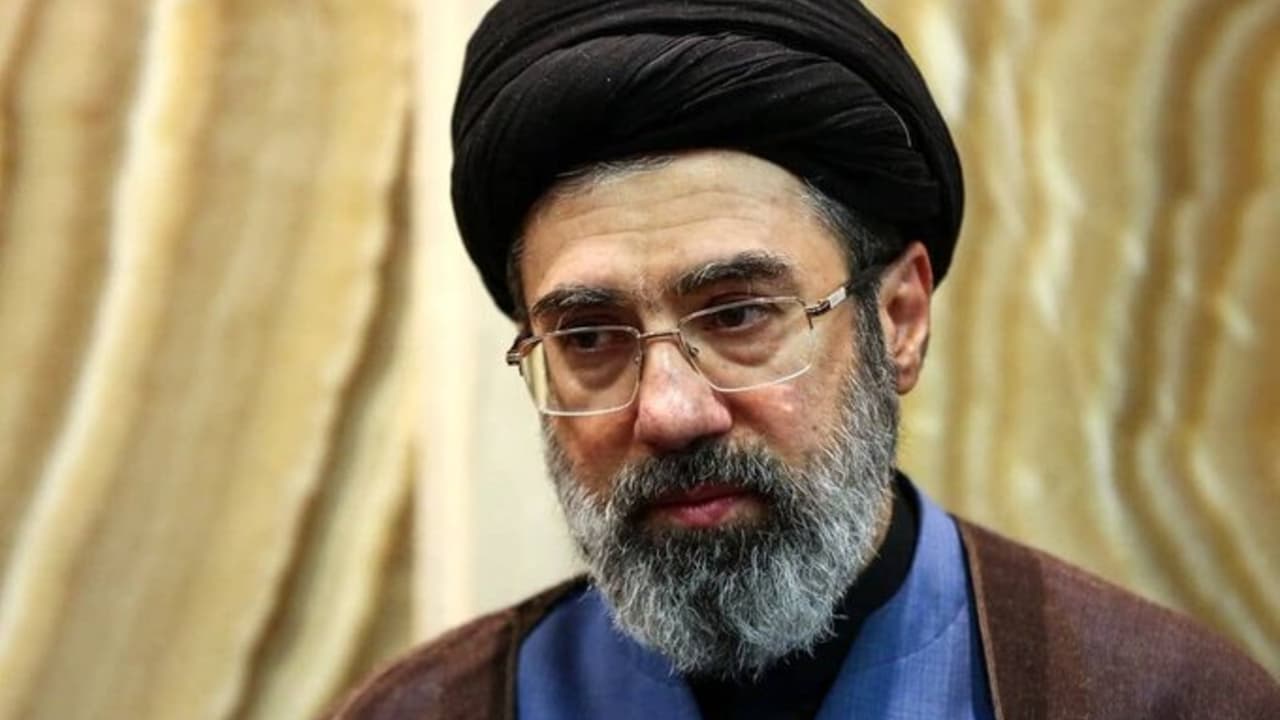
Mojtaba Khamenei has taken over as Iran’s Supreme Leader after his father’s death, sparking controversy over dynastic succession. Despite limited clerical credentials, his influence stems from strong IRGC ties and entrenched power networks.
Mojtaba Khamenei has emerged as one of the most powerful and controversial figures in Iran following the death of his father, Ali Khamenei, who led the Islamic Republic for over three decades until 2026. His reported elevation to Supreme Leader marks a historic and contentious moment in Iran’s political system, which was originally designed to avoid hereditary rule.
Early Life and Religious Background
Mojtaba Khamenei was born in 1969 in Mashhad, Iran, into one of the country’s most influential clerical families. As the second son of Ali Khamenei, he grew up within the inner circles of Iran’s religious and political elite.
Like his father, Mojtaba pursued religious studies in the seminaries of Qom, a major center of Shia Islamic scholarship. However, unlike traditional candidates for Supreme Leader, he has not attained the highest clerical rank of “marja” (a top religious authority), which has raised questions about his religious legitimacy.
Related Articles

Rise to Power Behind the Scenes
For years, Mojtaba operated largely out of public view but wielded significant influence behind the scenes. He is widely believed to have played a key role in shaping political decisions and maintaining control over power structures in Iran.
His close ties with the Islamic Revolutionary Guard Corps (IRGC)—Iran’s most powerful military and political institution—have been central to his rise. Analysts suggest that this relationship helped him consolidate influence, particularly during sensitive periods like elections and internal unrest.
Also Read: After Ali Khamenei’s Death, Son Mojtaba Named Iran’s Supreme Leader
A Controversial Succession
Mojtaba Khamenei’s reported appointment has sparked intense debate both within Iran and internationally. The Islamic Republic was founded after the 1979 revolution to reject monarchy and hereditary succession. His rise, therefore, introduces a dynastic element that critics argue contradicts the system’s founding principles.
Concerns have also been raised about his lack of high-ranking religious credentials and the opaque nature of the selection process. Supporters, however, argue that his experience, networks, and ideological alignment ensure continuity in governance.
Family, Personal Life, and Connections
Mojtaba is married into another influential Iranian family. He is the son-in-law of prominent conservative politician Gholam-Ali Haddad-Adel, strengthening his ties within Iran’s political elite.
He comes from a large family—Ali Khamenei had six children, many of whom are connected to religious or political institutions in Iran. These family networks have played a significant role in consolidating influence across different sectors.
Wealth and Financial Influence
Reports suggest that Mojtaba Khamenei controls substantial wealth. Estimates indicate his personal assets may exceed $3 billion, with holdings spread across international accounts, gold reserves, and real estate.
More broadly, the Khamenei family is believed to oversee vast economic interests tied to powerful foundations and institutions within Iran, giving Mojtaba both political and financial leverage.
Also Read: Who Was Mansoureh Khojasteh? Inside The Life Of Khamenei's Wife
What His Leadership Could Mean
Mojtaba Khamenei is considered a hardliner who is expected to maintain Iran’s current ideological and geopolitical stance. This includes continued resistance to Western influence and strong support for regional allies.
At the same time, his leadership could face internal challenges. Questions over legitimacy, combined with economic pressures and public dissatisfaction, may test his authority in the coming years.
Why the World Is Watching
His rise is not just a domestic issue—it has global implications. Iran plays a central role in Middle Eastern geopolitics, energy markets, and regional conflicts. Any shift in leadership dynamics could influence international relations, especially with the United States, Israel, and Gulf nations.
The Bottom Line
Mojtaba Khamenei’s ascent represents a turning point for Iran. A powerful insider with deep institutional ties, he brings continuity—but also controversy. Whether he can consolidate authority and navigate mounting pressures will define the next chapter of the Islamic Republic.