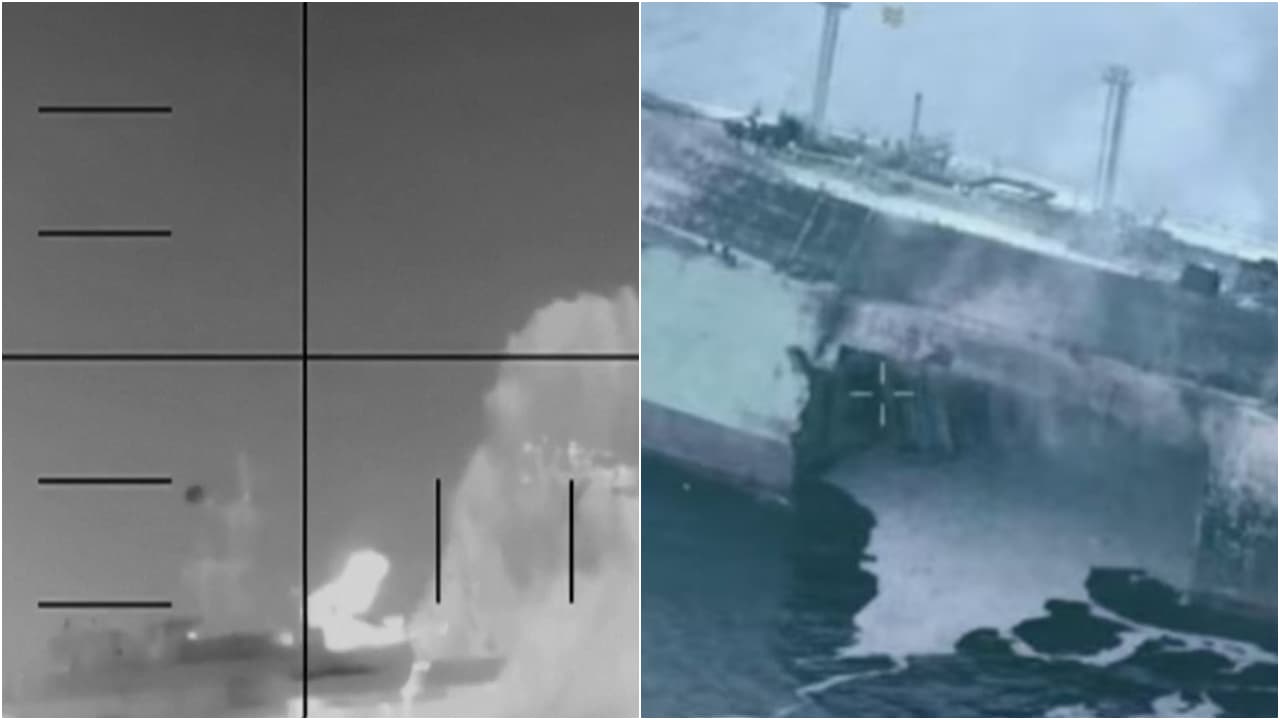
On March 4, 2026, a US Navy submarine sank Iran’s frigate IRIS Dena near Sri Lanka with a single Mark-48 torpedo — the first time since World War II that a US submarine destroyed an enemy warship in combat using a torpedo.
First US Combat Torpedo Strike Since World War II
In a dramatic escalation of the ongoing conflict involving the United States, Israel, and Iran, a US Navy submarine sank an Iranian warship in the Indian Ocean using a single Mark-48 heavyweight torpedo, marking a significant development in modern naval warfare. The attack, which occurred on March 4, 2026, resulted in the sinking of the Iranian frigate IRIS Dena, leaving dozens dead, others missing, and survivors rescued near the coast of Sri Lanka.
According to statements from US Defense Secretary Pete Hegseth, the submarine engaged the Iranian vessel in international waters approximately 40 nautical miles south of Galle, Sri Lanka, firing the Mark-48 torpedo that struck and sank the frigate. Hegseth described the strike as a “quiet death,” underscoring the efficiency and lethality of the weapon used by US forces. Officials noted that this is the first time since World War II that a US submarine has sunk an enemy warship with a torpedo, highlighting its historical significance.
The IRIS Dena was a Moudge-class Iranian naval frigate, regarded as one of the country’s modern surface combatants. It had been returning from naval exercises, including participation in the MILAN 2026 multinational drill hosted by India, before the fatal engagement. Sri Lankan authorities and naval forces responded to distress signals from the vessel, rescuing around 32 sailors, many of whom were injured and taken to hospitals, while at least 87 bodies were recovered so far; dozens more remain missing and presumed dead.
Related Articles

The torpedo that sank the ship — the Mark-48 — is a heavyweight, wire-guided weapon deployed by US submarines for decades and continuously upgraded with advanced guidance and propulsion systems. Its design allows it to travel at high speeds over long distances and detonate beneath a target ship, creating powerful underwater shockwaves that can break a vessel’s keel and sink it rapidly. The torpedo’s guidance system, which combines active and passive sonar with wire connections to operators aboard the submarine, enhances its accuracy and lethality.
Also Read: US confirms sinking of Iranian warship, first torpedo kill since WWII
Indian Ocean Flashpoint Deepens Middle East Tensions
This naval strike has amplified concerns about the expansion of the Middle East conflict beyond regional borders into broader international waters like the Indian Ocean. Analysts note that maritime theatres have traditionally been less directly involved in conflicts of this scope, but this incident highlights the scale and reach of modern military operations. The sinking has raised diplomatic tensions, with Iranian officials strongly condemning the attack and warning that such actions could have serious repercussions.
International reactions to the sinking have been swift. Iran’s foreign minister labelled the attack “an atrocity at sea,” accusing the United States of overstepping legal norms by targeting a warship in international waters without warning. Tehran’s statements reflect deep anger and warnings that Washington will “regret the precedent it has set.”
Also Read: US will bitterly regret sinking our warship, warns Iran's Araghchi
In contrast, US officials have framed the strike within the broader context of a concerted military campaign to degrade Iranian military capabilities. Pentagon briefings indicate that the Mark-48 torpedo strike was a tactical move to weaken Iran’s naval strength amid broader hostilities that include strikes on ballistic missile systems and other military infrastructure.
The sinking of the IRIS Dena marks one of the most significant naval engagements of the current conflict, demonstrating both the lethality of modern undersea warfare and the increasing blurring of geographic boundaries in warfare. As search and rescue operations continue and diplomatic fallout unfolds, the incident underscores both the human costs and escalating tensions of the conflict — with implications for maritime security, international law, and regional stability well beyond the Indian Ocean.