
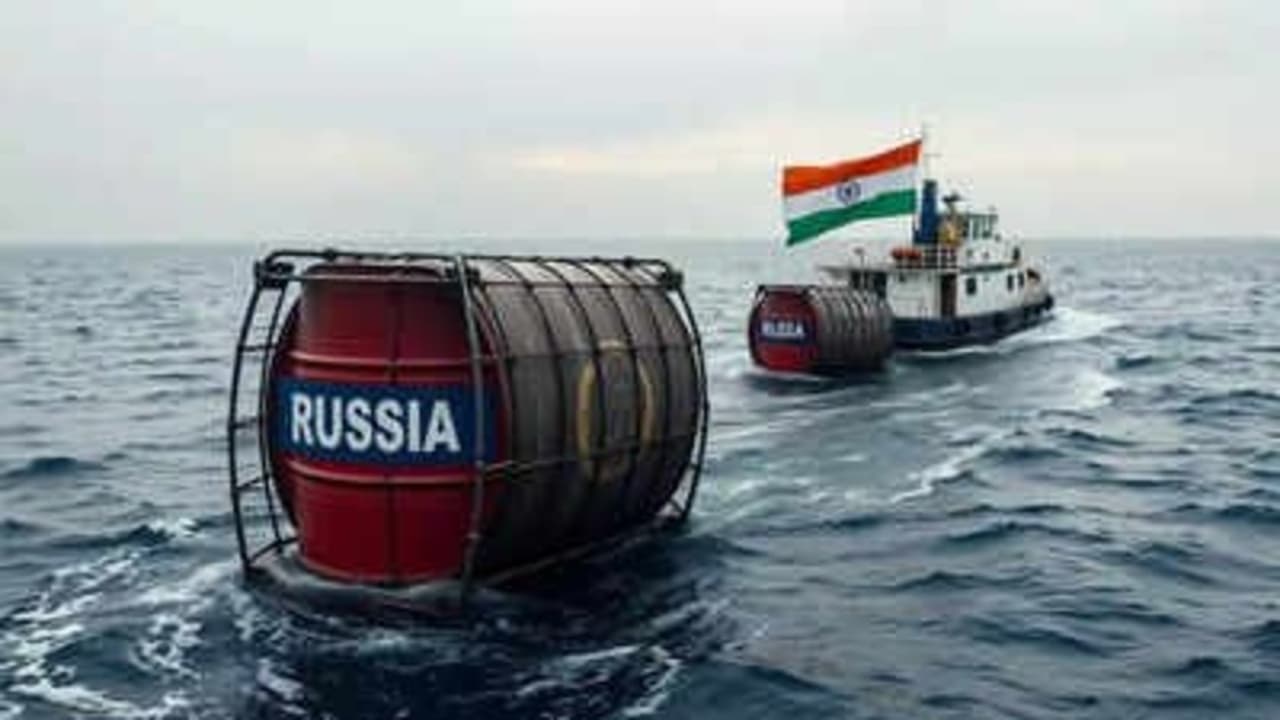
The US is ending temporary sanctions waiver that allowed Russian and Iranian crude oil sales at sea, aiming to increase economic pressure on both nations. This decision significantly impacts India, a major importer of Russian oil. Indian refiners may now need to source more costly crude, which could lead to higher transportation & refining costs.
The United States has announced that it will not extend a temporary sanctions waiver that had allowed the sale of Russian and Iranian crude already at sea, a move that could have major implications for India’s energy imports and domestic fuel costs. US Treasury Secretary Scott Bessent confirmed that the waiver would expire as scheduled, signalling Washington’s decision to tighten economic pressure on both Moscow and Tehran as geopolitical tensions continue to rise.
The waiver had briefly permitted countries such as India to receive shipments that were already in transit without triggering sanctions. That temporary relief was introduced to prevent a sudden shock to global oil markets after conflict in West Asia disrupted supply routes. But the latest decision means buyers will now have to reconsider future purchases from both nations once the exemption ends.
What's it means for India
For India, the decision is especially significant because Russian crude has become a key part of the country’s import basket over the past few years, while Iranian oil had recently re-entered discussions as refiners looked for affordable alternatives amid volatility in the Gulf. Analysts say the end of the waiver could increase pressure on Indian refiners to source more expensive crude from other suppliers, potentially pushing up transportation and refining costs.
Also Read: Iran Slams US, Israel for Destabilising Gulf, Warns Neighbours
Scott Bessent indicated that the administration would no longer rely on temporary exemptions to stabilise prices, saying the US intends to enforce sanctions more aggressively going forward. The move is part of a broader strategy to cut off revenue streams for Iran and Russia while increasing financial pressure through global banking channels and shipping restrictions.
Oil markets reacted cautiously, with traders weighing the risk of tighter supply against hopes of diplomatic progress in the region. While benchmark crude prices eased slightly on optimism around possible talks with Iran, uncertainty remains high as the Strait of Hormuz continues to be a flashpoint for global shipping.
For India, the immediate impact may depend on how quickly refiners can diversify supplies. However, the decision underscores the fragile balance between geopolitics and energy security, with New Delhi once again facing difficult choices in managing its oil needs while navigating pressure from Washington.
