
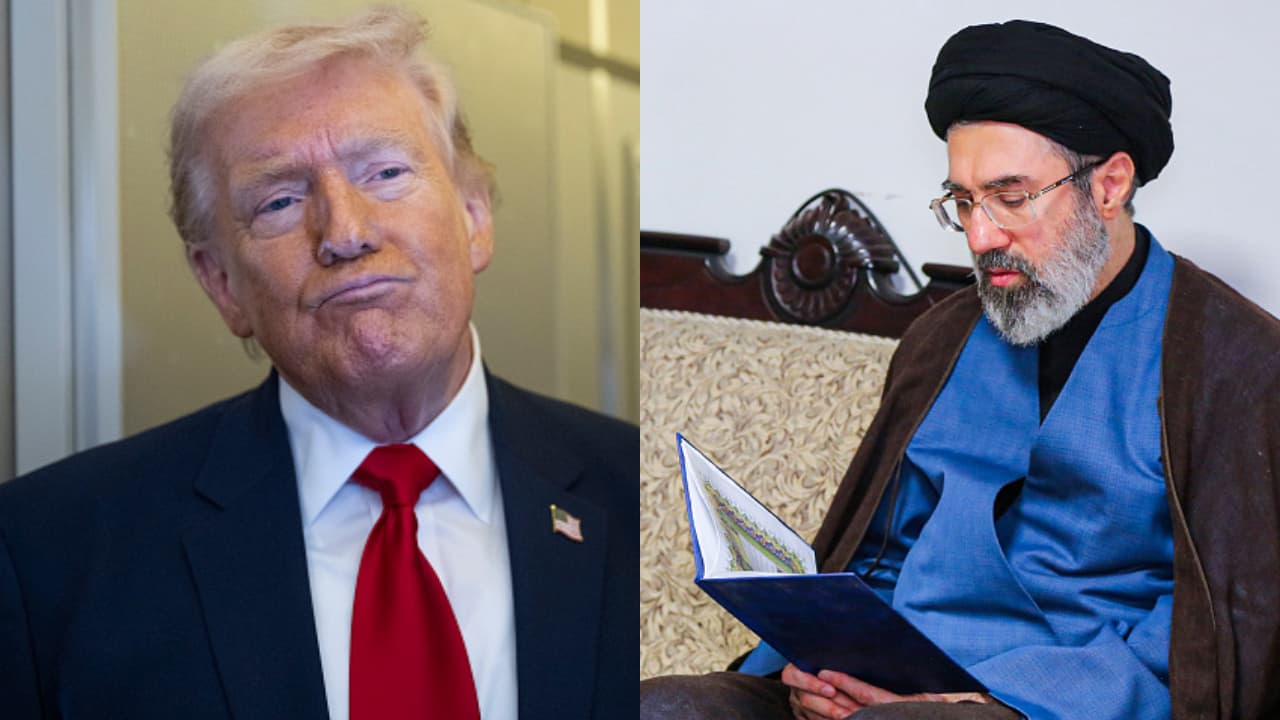
US President Trump claims Iran has accepted a 15-point plan to resolve the ongoing conflict, with Pakistan mediating indirect talks. The proposal reportedly offers sanctions relief in exchange for major concessions, including curbs on Iran's nuclear program and missile development.
US President Donald Trump has claimed that Iran has accepted a “15-point plan” aimed at ending the ongoing conflict, signalling possible progress in indirect negotiations facilitated through Pakistan. However, the situation remains complex, with mixed signals emerging from Tehran.
Speaking about the diplomatic efforts, Trump said discussions were moving forward and suggested that Tehran was willing to engage. “They are negotiating… they want to make a deal so badly,” he said, indicating optimism within his administration about a potential breakthrough.
The proposed 15-point framework reportedly outlines a broad roadmap for de-escalation. It includes conditions such as sanctions relief in exchange for major concessions from Iran, including curbs on its nuclear programme, limits on ballistic missile development, and restrictions on support for regional armed groups.
Pakistan has emerged as a key intermediary in these talks, transmitting messages between Washington and Tehran and offering to host negotiations. Officials familiar with the process say Islamabad is facilitating indirect engagement, as direct talks between the US and Iran remain unlikely due to deep mistrust.
Despite Trump’s claims, Iranian officials have publicly downplayed the extent of progress. Tehran has described aspects of the proposal as “one-sided and unfair,” while maintaining that it has not entered into direct negotiations with Washington.
There are also conflicting reports about whether Iran has formally accepted the plan. Some sources suggest Tehran has conveyed its response through Pakistan, while others indicate that discussions remain preliminary and unresolved.
The backdrop to these diplomatic efforts is a rapidly escalating conflict across the Middle East. US and Israeli military actions against Iranian targets, along with retaliatory strikes by Tehran and its allies, have intensified regional instability. The war has disrupted global oil supplies and raised concerns over key shipping routes such as the Strait of Hormuz.
Analysts caution that even if progress is being made behind the scenes, significant hurdles remain. Iran has historically resisted limits on its missile programme and regional influence, viewing them as essential to its security. Meanwhile, the US continues to push for sweeping concessions as part of any agreement.
Trump’s assertion of progress may reflect ongoing backchannel diplomacy, but the lack of clear confirmation from Tehran underscores the fragile nature of the talks. As indirect negotiations continue, the prospects for a breakthrough remain uncertain, with both sides maintaining sharply different positions.
For now, Pakistan’s role as a mediator and the evolving 15-point proposal remain central to efforts aimed at preventing further escalation and steering the conflict toward a diplomatic resolution.
Also Read: US Could ‘Take Iran’s Oil,' Trump Signals Kharg Island Seizure
