
Pakistan's effort to mediate between Iran and the US faces criticism. A senior Iranian lawmaker publicly questioned Pakistan's neutrality, claiming it aligns with Washington's interests. This skepticism comes as Iran's foreign minister visits Islamabad for talks aimed at de-escalation.
Pakistan’s efforts to position itself as a key mediator in the increasingly fragile diplomatic channel between Iran and the United States are facing fresh criticism after a senior Iranian lawmaker openly questioned Islamabad’s credibility as a neutral intermediary. The remarks came as Iranian Foreign Minister Abbas Araghchi arrived in Islamabad for another round of high-level talks aimed at preventing a complete collapse in communication between Tehran and Washington.
Ebrahim Rezaei, spokesperson for Iran’s National Security and Foreign Policy Commission, publicly challenged Pakistan’s suitability for the role. In a post on X, he acknowledged Pakistan as a close regional partner but argued that it could not be seen as an impartial broker in a conflict where trust is already fragile. Rezaei wrote that Pakistan is a “good friend and neighbour” but “is not a suitable intermediary” because it often appears to align its positions with Washington’s strategic interests.
His statement has added to growing skepticism in Tehran over Pakistan’s diplomatic balancing act. Iranian officials have become increasingly wary that Islamabad may be unable to maintain equal distance from both sides, especially given its security ties with the United States and its own geopolitical interests in the region. Previous attempts by Pakistan to facilitate dialogue had already run into obstacles, with earlier negotiations failing to produce a breakthrough and leaving Islamabad’s credibility under strain.
Also Read: Iran FM in Russia after Pak talks amid US-Tehran peace efforts
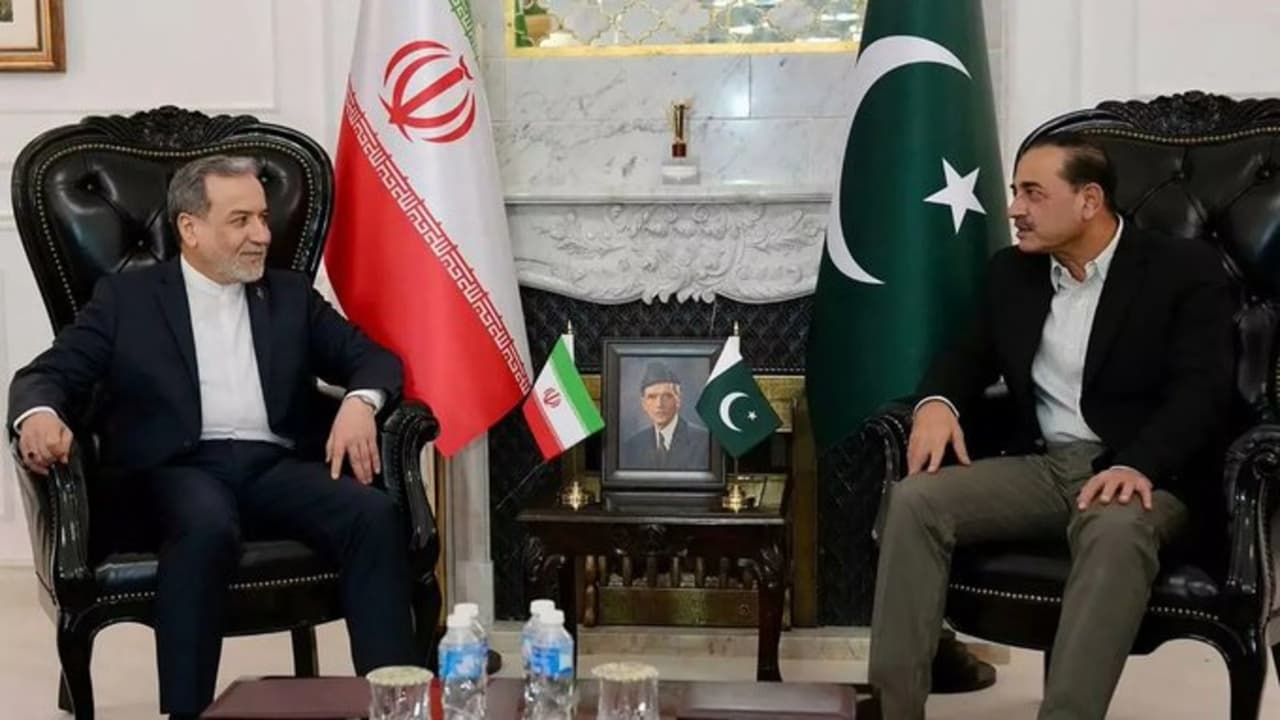
Despite the criticism, Araghchi continued his diplomatic outreach in Islamabad, meeting senior Pakistani officials, including military leadership, to discuss the broader regional situation and possible ways to revive indirect negotiations. Reports indicate the discussions covered not just nuclear concerns but also wider issues such as maritime security in the Strait of Hormuz, sanctions relief, and guarantees against further escalation.
The visit underscores how urgently Iran is trying to keep diplomatic channels alive even as mutual distrust deepens. Pakistan, meanwhile, continues to insist it can play a constructive role in reducing tensions. However, public criticism from within Iran has exposed the limits of Islamabad’s influence and raised questions over whether it can still be trusted by both sides.
The controversy also highlights a larger challenge in regional diplomacy: in conflicts involving powerful global players, even close allies can struggle to convince all parties that they are acting without bias. For Pakistan, the latest criticism is not just a diplomatic embarrassment but a direct challenge to its ambition of becoming a credible peace broker in one of the world’s most volatile crises.
