
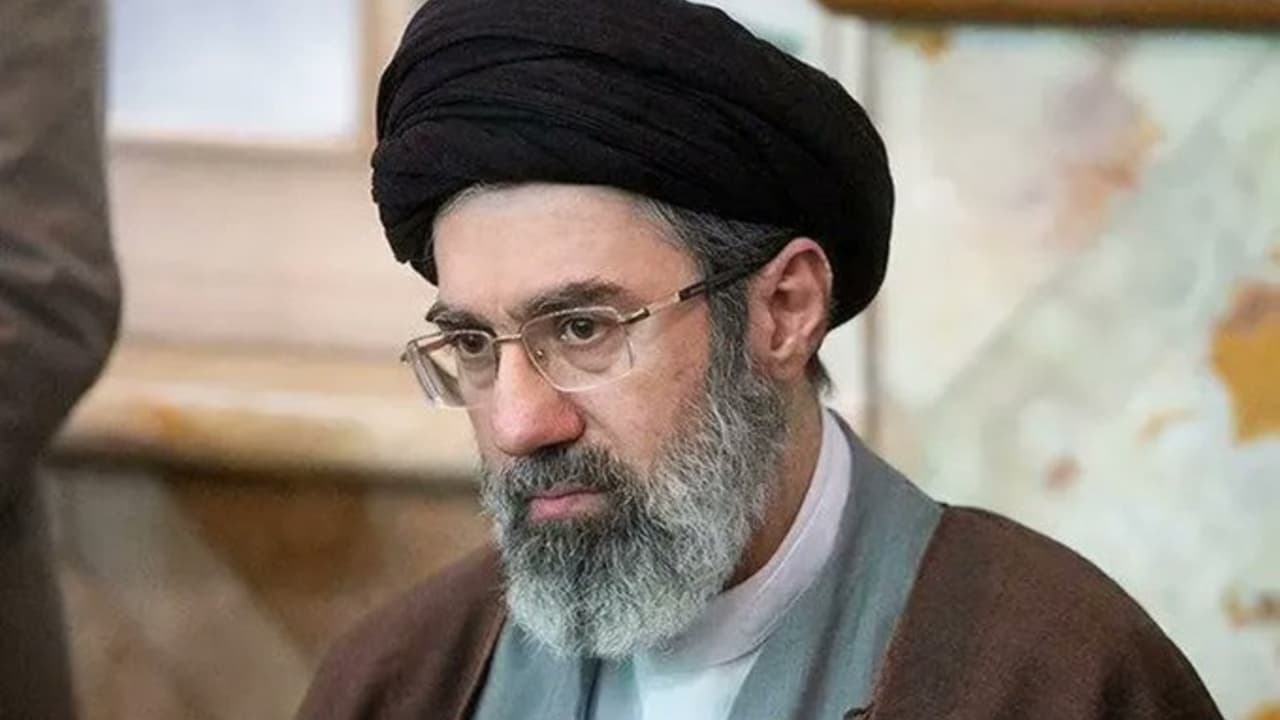
Iran's Supreme Leader has announced a new strategy for the Strait of Hormuz, a vital oil transit route. Amid regional tensions, he warned of firm retaliation against any aggression but stated Iran is not seeking war. He also vowed revenge for recent deaths.
Iran’s Supreme Leader Mojtaba Khamenei has indicated a significant shift in strategy over the strategically crucial Strait of Hormuz, declaring that Tehran is entering a “new stage” in managing the vital global oil transit route. The announcement comes amid heightened tensions following ongoing conflict in West Asia and a fragile ceasefire environment.
In his remarks, Khamenei stressed that Iran is not actively seeking war but warned that the country remains prepared to respond decisively to aggression. He underscored that any hostile actions would be met with firm retaliation, signalling a hardening stance despite ongoing diplomatic efforts.
At the same time, Khamenei issued a strong warning over the deaths caused during recent hostilities, vowing revenge for those killed. “We will not forget the revenge for the blood of the martyrs,” he said, reiterating Iran’s commitment to seeking accountability and justice. He also emphasized that retaliation would remain a priority “until it is fully achieved.”
Also Read: US-Iran ceasefire can break 'any second', says Israeli expert Steinberg
The Strait of Hormuz—through which a significant portion of the world’s oil supply passes—has become a focal point of geopolitical tension. Iran’s evolving approach to its control raises concerns about global energy security, as any disruption could have far-reaching economic consequences.
Khamenei’s statements highlight a dual-track approach: maintaining pressure through strategic control of critical waterways while keeping the option of escalation on the table. His remarks also reflect Iran’s broader narrative of resistance and deterrence following recent military confrontations.
As global powers closely monitor the situation, the developments signal a potentially volatile phase ahead, with the Strait of Hormuz once again at the center of international attention and strategic calculations.
Also Read: Netanyahu Vows Full Force on Hezbollah, Orders Direct Talks With Lebanon
