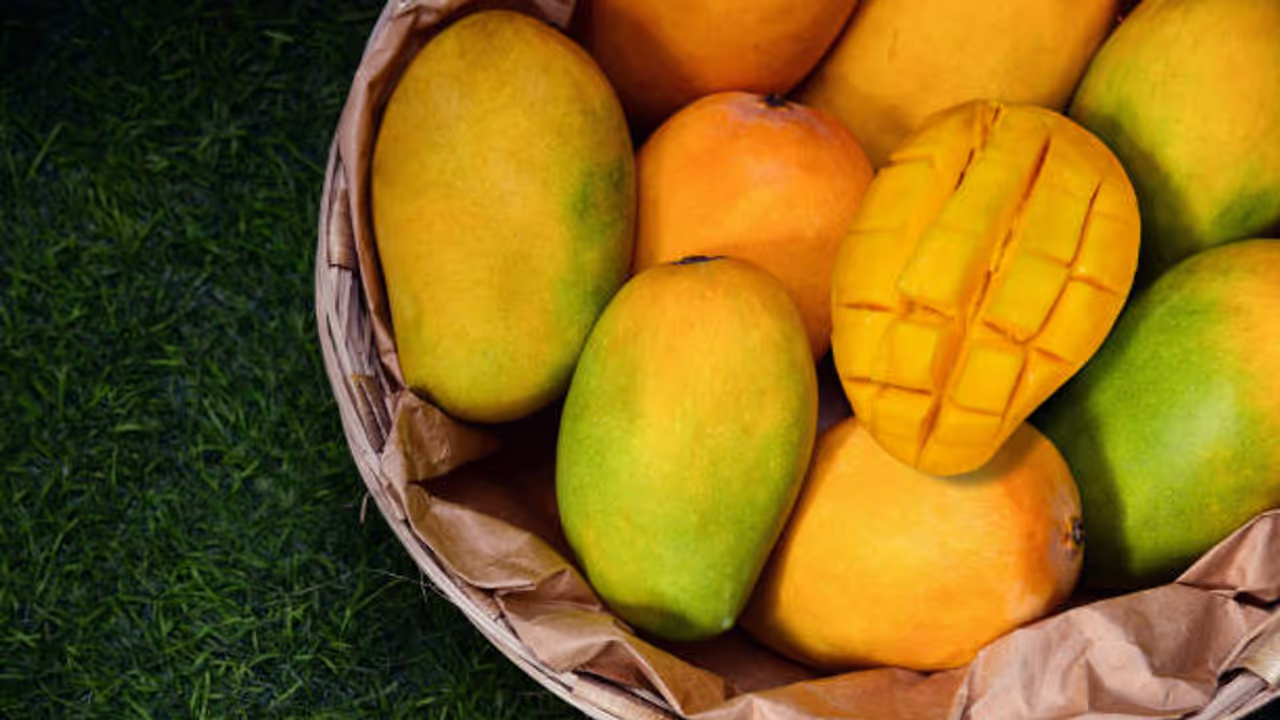
Japan has halted imports of Indian mangoes for the first time in two decades, dealing a fresh blow to exporters during the peak summer season. The suspension affects premium Indian varieties such as Alphonso, Kesar, Langra and Banganapalli, which are widely exported to Japan every year.
Mangoes are more than just a summer fruit in India — they are an emotion woven into the country’s culture, cuisine, and identity. From their irresistible aroma to their juicy sweetness, the bright-yellow delicacy remains one of India’s most celebrated exports. But now, India’s prized mango trade with Japan has hit another major roadblock.
According to data from the Agricultural and Processed Food Products Export Development Authority (APEDA), mangoes are packed with health benefits. A single mango can provide up to 40 percent of the daily dietary fiber requirement, helping protect against heart disease, cholesterol build-up, and even certain cancers. Rich in potassium, beta-carotene, and antioxidants, the fruit is cultivated across India’s tropical and subtropical regions, with the country boasting nearly 1,000 varieties.
However, despite their global popularity, Indian mangoes are once again facing restrictions in the Japanese market.
Related Articles

Official Notice Triggers Fresh Export Crisis
The Yokohama Plant Protection Association, a public-interest organisation supporting Japan’s plant quarantine operations, issued a formal notice on March 31, 2026, suspending imports of Indian mango shipments carrying inspection certificates issued on or after March 25, 2026.
The notice stated that imports from Indian facilities would remain suspended until Japanese authorities were convinced that operational standards had significantly improved.
The development has revived memories of the two-decade-long ban that India had managed to overturn in 2006, reopening mango exports to Japan after years of diplomatic and technical negotiations.
Also read: India, Japan must be 'driving force' for Indo-Pacific: Motegi
Why Did Japan Suspend Indian Mango Imports?
According to reports, Japan annually sends quarantine officers to inspect Vapour Heat Treatment (VHT) facilities used by Indian exporters before shipments are cleared for export.
VHT is a mandatory non-chemical quarantine process under the India-Japan bilateral export protocol. During the treatment, mangoes are exposed to controlled hot and humid air conditions to eliminate fruit flies and other pests that could threaten Japanese agriculture.
This year, inspectors visiting the Rehmanpur facility in Uttar Pradesh reportedly identified deficiencies in fumigation protocols and related disinfection procedures.
While neither the Indian nor Japanese authorities have publicly disclosed the exact technical shortcomings, the findings were serious enough for Japan to suspend imports from affected facilities.
Limited Trade, But Big Symbolic Impact
Although Japan accounts for a relatively small portion of India’s mango exports, the suspension still carries significant symbolic and commercial weight.
Reports suggest that exports of fresh and processed mango products to Japan were valued at approximately $1.54 million in 2025-26. Gujarat’s famous Kesar mangoes formed the largest share of shipments to the Japanese market.
When Will the Ban Be Lifted?
For now, there is no clear timeline for the resumption of trade.
The suspension notice only states that imports will remain halted until Japanese authorities are satisfied that operational standards at Indian facilities have improved and quarantine requirements are being fully met.
Also read: Japan, India to be driving force for Free and Open Indo-Pacific