
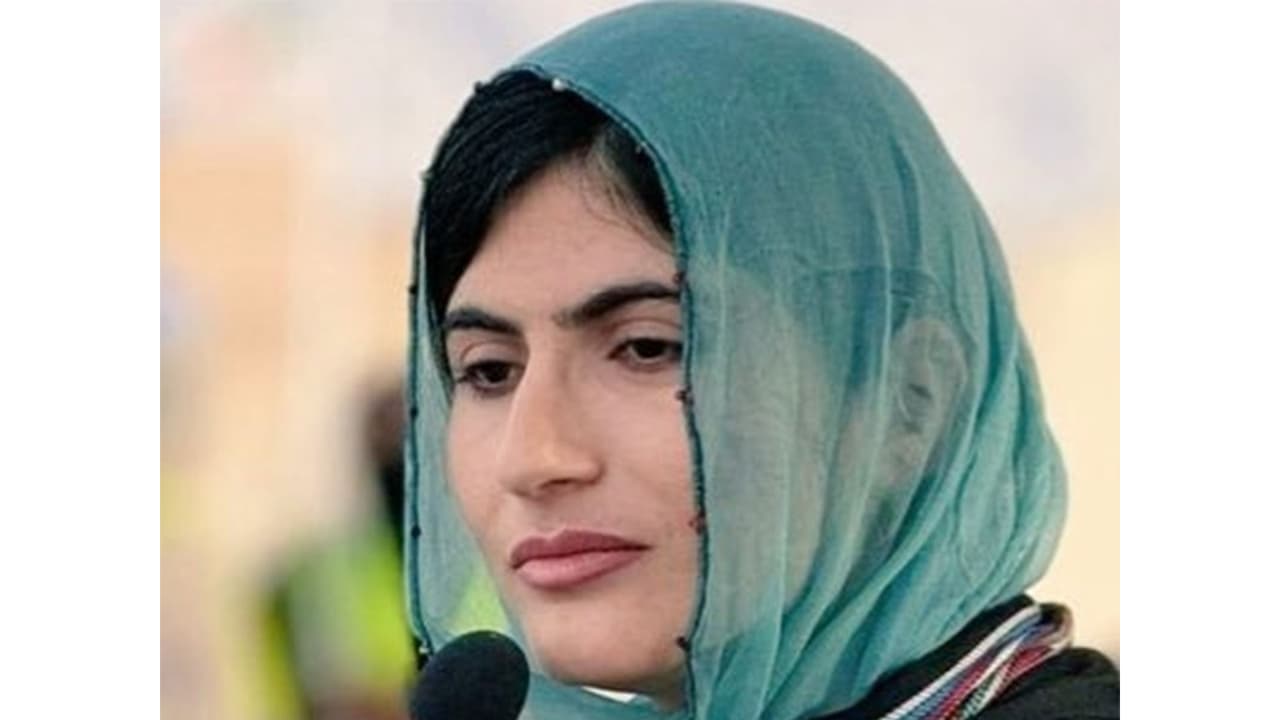
Baloch activist Sammi Deen Baloch has slammed Balochistan's Chief Minister, Sarfaraz Bugti, for intimidating PhD scholars and intellectuals. She accused the government of creating a fear climate and suppressing critical voices in the province.
Criticism Over Intimidation of Intellectuals
Baloch activist Sammi Deen Baloch has strongly criticised Balochistan Chief Minister over what she described as attempts to intimidate PhD scholars and members of the intellectual community in the province. In a post shared on X, Sammi Deen Baloch accused the provincial government of creating an atmosphere of fear for critical voices, including journalists, writers, activists, poets, linguists, and academics.
She said recent remarks attributed to the chief minister reflected a disturbing trend of suppressing dissent in Balochistan. "I am deeply disturbed by the conduct of Chief Minister Sarfaraz Bugti against the PhD holders and the broader intellectual community of Balochistan," she stated.
The activist argued that criticism of government policies and questioning official performance are democratic rights protected under freedom of expression and academic freedom. She maintained that scholars and researchers should not face threats or public pressure for expressing opinions or publishing critical analysis.
According to Sammi Deen Baloch, attempts to silence intellectuals weaken democratic values and further shrink the space for debate in the province. She said no elected official has the authority to intimidate individuals for exercising their constitutional rights.
The activist also urged the leadership of the Pakistan People's Party (PPP) to take immediate notice of the situation. She called on the party leadership to ensure that no effort is made to suppress Balochistan's intellectual community.
Enforced Disappearances and International Concern
Pakistan continues to face serious allegations over enforced disappearances and extrajudicial killings, particularly in regions such as Balochistan and Khyber Pakhtunkhwa. Human rights groups, including Amnesty International and Human Rights Watch, have repeatedly raised concerns about missing activists, students, and political workers allegedly taken by security agencies without legal process.
Families of the missing persons often stage protests demanding information about their loved ones. Rights organisations claim many victims are later found dead, while authorities deny involvement. The issue has triggered international concern, with calls for transparent investigations, accountability, and protection of human rights in the affected regions.
(Except for the headline, this story has not been edited by Asianet Newsable English staff and is published from a syndicated feed.)