
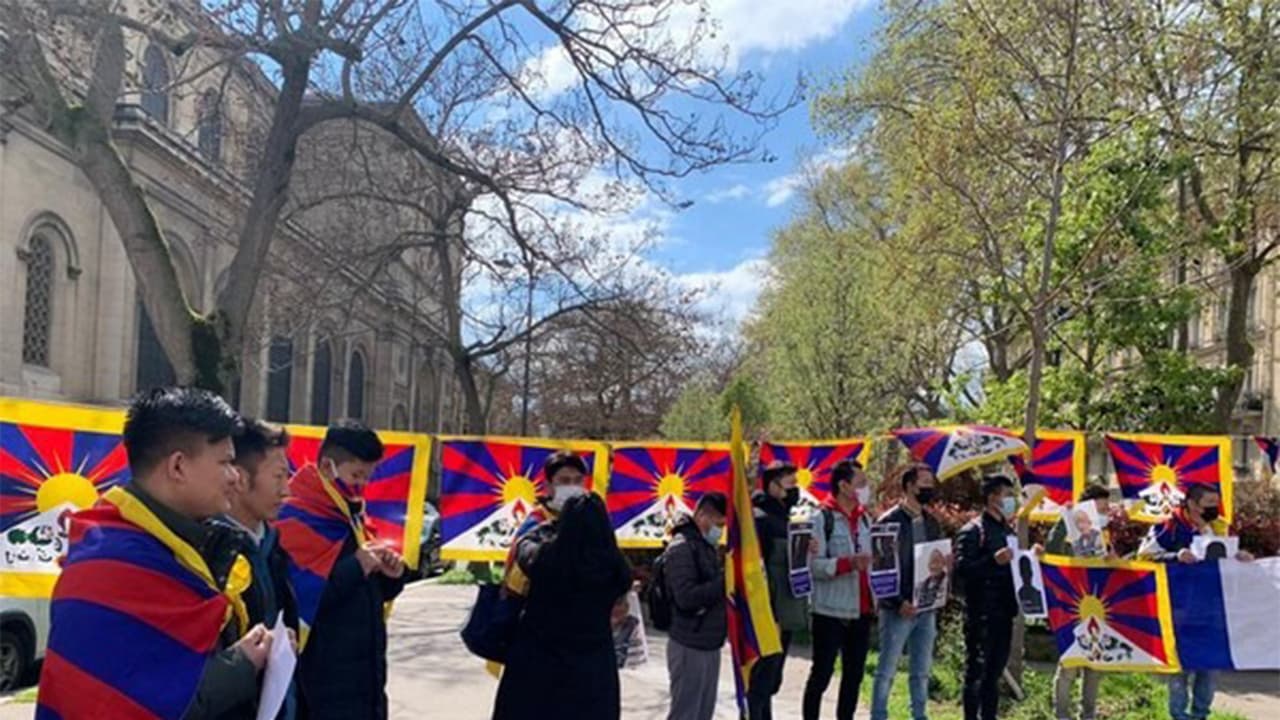
The Central Tibetan Administration (CTA) marked the 14th anniversary of Tibetan monk Lobsang Lozin's death. The 18-year-old died after setting himself on fire in 2012 to protest what the CTA calls China's political repression in Tibet.
The Central Tibetan Administration (CTA) has commemorated the 14th anniversary of the death of Tibetan monk Lobsang Lozin, who died after setting himself on fire during a protest in Ngaba, Tibet, on July 17, 2012. According to the Tibet Advocacy Section of the Department of Information and International Relations (DIIR) of the CTA, Lobsang Lozin was 18 years old at the time of the incident and was a monk at a monastery in Barkham, Ngaba.
Details of the Protest and Remembrance
The CTA said that Lozin carried out the protest outside his monastery's assembly hall and later moved toward a local Chinese government office before collapsing and dying. The administration described his action as a protest against what it calls political repression and restrictions on Tibetan religious and cultural life. The CTA's remembrance message stated that local Tibetans gathered to mourn his death and that monastery leaders worked to prevent further confrontation after security forces arrived. The commemoration was shared by the CTA's Tibet Advocacy Section on social media platform X, highlighting Lozin's case among Tibetan self-immolation protests that have taken place over the past years.
China's Stance on Tibet
The Chinese government has rejected accusations of repression in Tibet, saying its policies have promoted economic development, social stability, and the protection of Tibetan culture and religion.
The Broader Tibet-China Dispute
The CTA, based in Dharamshala, India, is an exile administration that represents Tibetan interests internationally. Tibet has been a region of long-standing political dispute between the Chinese government and Tibetan groups.
China says Tibet has been part of its territory for centuries and highlights economic development and infrastructure growth in the region. Tibetan advocates, including the Central Tibetan Administration, argue that Tibet has faced restrictions on religious practices, cultural expression, and political freedoms since China established control over the region in the 1950s. The dispute remains a sensitive international issue, involving questions of identity, autonomy, human rights, and governance.
(Except for the headline, this story has not been edited by Asianetnews Editorial staff and is published from a syndicated feed.)