
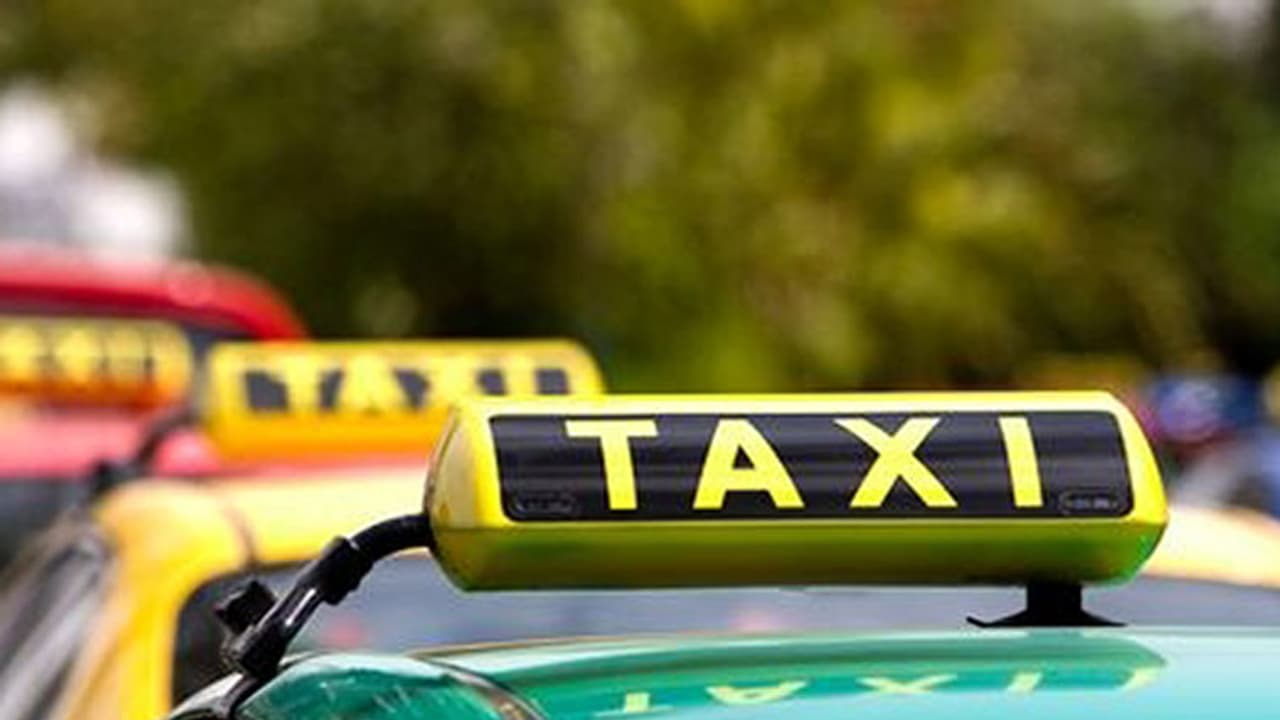
The GHMC is promoting these electric vehicles amidst complaints of increasing air pollution. E-taxis are the perfect solutions for a pollution-free environment. One diesel taxi emits exhaust fumes equivalent to what 25 private diesel cars emit. On the other hand, electric vehicles emit zero tailpipe emission.
In order to promote eco-friendly transport in Greater Hyderabad, the city witnessed its first fleet of e-taxi services hitting the roads today. The GHMC is promoting these electric vehicles amidst complaints of increasing air pollution. In fact, Hyderabad is one of the cities in the country with high-level air pollution. An initiative on the occasion of the World Environment Day, India's first electric airport taxi service in Hyderabad will be launched at Sanjeevaiah Park on Necklace Road. In fact, five e-taxis will be flagged off by city mayor Bonthu Rammohan.
V Siddharth, the Green Mile director, told the New Indian Express that their's was an electric vehicle infrastructure start-up company working toward sustainable transportation. He further added, "Our initiative is a small step in the direction of making Hyderabad a cleaner city."
Claiming that e-taxis are the perfect solutions for a pollution-free environment, he said, "Normal taxis are major polluters in the city. One diesel taxi emits exhaust fumes equivalent to what 25 private diesel cars emit. On the other hand, electric vehicles emit zero tailpipe emission."
Tying up with GMR, the company has established charging points at the Hyderabad airport. Siddharth said, "Initially, we will run five e-taxis from different places in the city to the airport for the next two to three months and will increase the fleet strength up to 100. The passenger fare will be similar to that charged for a ride by diesel cars." The e-taxi, once charged, gets the vehicle running for a distance of 90-100 kilometers, after which the battery has to be recharged.
Priced at a whopping Rs 14 lakh, the Centre is providing incentives to buy such cars to meet its target of making Indian transport system run on electricity to make it non-polluting by 2030. The Centre is providing a subsidy of Rs 1.38 lakhs and the state government is offering a tax exemption of 4 per cent on each vehicle to reduce air pollution.
Promoting the usage of e-bikes and cars to reduce the import of crude oil, the Centre had launched a scheme-Faster Adoption and Manufacturing of Hybrid and Electric Vehicles in India (FAME), in 2015-under which incentives are offered to buy hybrid and electric vehicles. Rs 29,000 incentive is offered for e-bikes and Rs 1.38 lakh is provided for cars. These vehicles use an alternative fuel-Ethanol-which can reduce the crude oil imports.
