
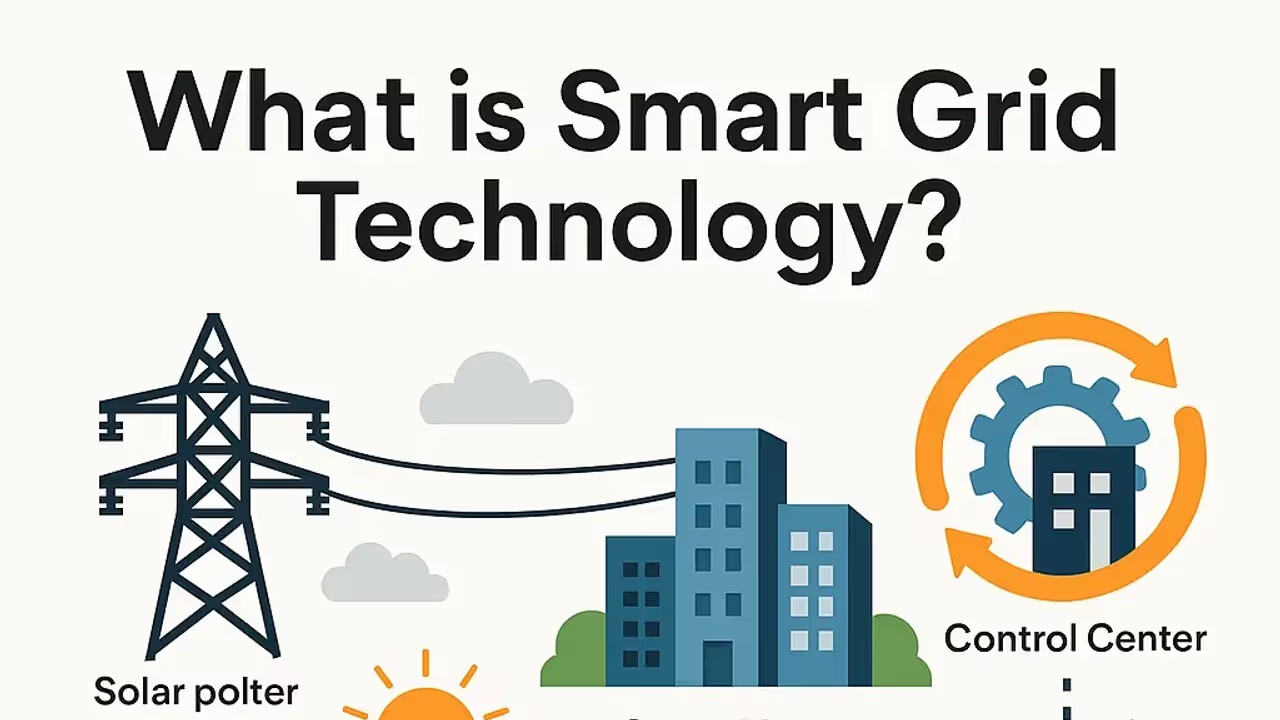
Modern power networks need smart grid solutions that balance performance, cost, and interoperability. Modular, scalable systems allow phased upgrades without replacing existing infrastructure. By improving load visibility, security, and automation, these solutions enhance reliability, reduce risks, and simplify long-term grid management.
Modern power networks are under pressure from rising demand, distributed energy resources, aging infrastructure, and higher expectations for uptime. Utilities and facility operators need systems that can manage load behavior, equipment health, circuit performance, and field response without adding unnecessary control layers.
The challenge is modernization in choosing technology that remains manageable over time. Many decision-makers wonder how smart grid solutions can support long-term performance while keeping interoperability, cost, and operational complexity under control.
In this blog, we’ll explain what to evaluate before deploying smart grid solutions across substations, commercial facilities, industrial sites, and distribution networks.
Which Grid Technologies Balance Performance, Interoperability, and Cost?
The strongest options are modular, standards-based systems that connect with existing electrical instrument networks, control equipment, meters, sensors, relays, and field devices. These systems should support open communication protocols, scalable data exchange, remote diagnostics, and secure integration with supervisory platforms.
If you are wondering, "Which smart grid solutions meet long-term performance and interoperability objectives without introducing high operational complexity or cost risks?”, the answer lies in solutions that do not require full infrastructure replacement at once. Instead, decision-makers should incorporate intelligent meters, feeder automation, demand response tools, and asset monitoring in phases.
This approach helps utilities and large facilities improve visibility across each circuit, manage load changes, protect assets, and reduce lifecycle risk while keeping operational teams in control through clear workflows and measurable performance data.
5 Key Factors that Make Grid Modernization Work Long-term
A grid upgrade should not be judged only by first cost. Long-term value depends on compatibility, reliability, maintainability, and how easily teams can use the system every day.
1.Interoperability with Existing Infrastructure
Strong smart grid solutions should work with existing switchgear, transformers, protection relays, meters, and control systems where possible. Most facilities cannot replace every asset at once. Interoperable systems connect old and new equipment through standard protocols, reducing delays and vendor lock-in.
2.Clear Load Visibility across the Network
Reliable smart grid solutions depend on knowing how demand moves across feeders, buildings, and critical assets. Smart meters, sensors, and monitoring devices help operators track load patterns in near real time. This supports better planning, faster fault identification, and accurate circuit decisions.
3.Secure Communication and Data Control
Grid intelligence depends on data, but data must be protected. Operators should deploy systems with authentication, encryption, access control, and event logging. Secure communication between field devices, control rooms, and edge platforms supports compliance-driven operations.
4.Practical Maintenance and Field Support
Even advanced systems need routine inspection, calibration, and service. Operators should choose equipment that technicians can understand, test, and maintain without excessive dependency. Clear documentation, spare parts, training, and remote diagnostics improve long-term performance.
Maintenance teams should also have easy access to electrical instrument data, alarm history, and equipment status. This helps them respond faster, reduce downtime, and keep connected grid assets working reliably.
5.Scalable Automation without Overcomplication
Automation should make work easier, not harder. Smart grid solutions can support feeder automation, outage detection, voltage control, and predictive maintenance. A phased plan helps teams learn, test, and improve processes before wider automation.
It also allows operators to check how each circuit, device, and control function responds under real operating conditions. This reduces deployment risk and helps teams employ automation where it adds measurable operational value.
Build a Smarter Grid With Better Operational Control
Long-term grid performance depends on decisions made before installation begins. A well-planned system should manage load, protect each circuit, connect critical devices, and give operators usable information without creating unnecessary complexity.
Utilities, commercial facilities, and industrial operators should focus on systems that are scalable, secure, and compatible with existing electrical infrastructure. When selected carefully, smart grid solutions can improve monitoring, support faster fault response, strengthen equipment visibility, and simplify long-term grid management. This helps teams plan upgrades with better confidence while reducing avoidable disruption across daily operations.
Partnering with a reputable electric brand can further support this process through reliable equipment and better alignment with power distribution requirements. Over time, the right system can support safer power distribution, clearer asset insights, and more dependable network performance.
