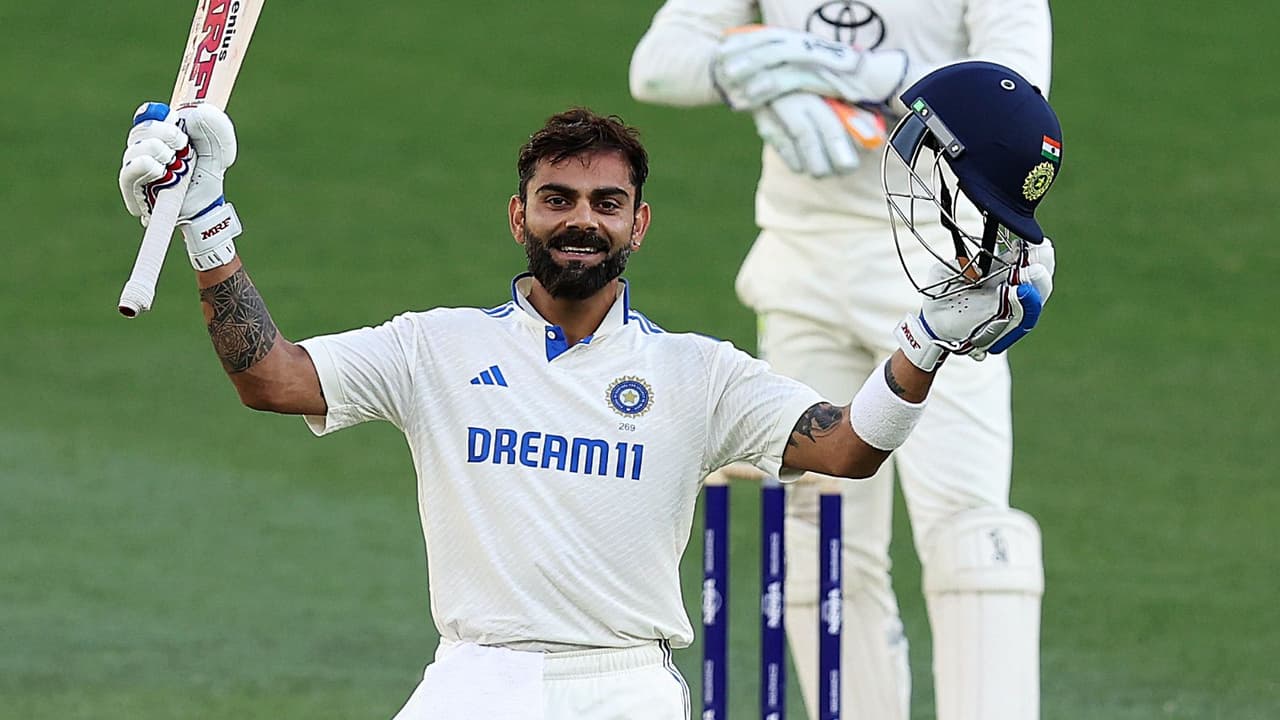
On May 12, 2025, Virat Kohli announced his retirement from Test cricket, ending a transformative era for Indian cricket. The article explores his legacy as a captain and batsman, the emotional fan reactions a year later, and the team's transition with Shubman Gill filling his role.
12th May, 2025, apparently marked the end of an era that redefined Indian cricket, as the cricketing world was left in disbelief when the batting legend Virat Kohli decided to step away from Test cricket, the format he not only mastered but truly lived for for nearly a decade and a half.
The veteran Indian batter, who first retired from T20Is following India’s T20 World Cup triumph in 2024, sprung the surprise by announcing his decision to bid adieu to his Test career after months of speculation following India’s Border-Gavaskar Trophy series defeat to Australia. The announcement came just a month before India’s Test tour of England, which was scheduled in June.
Virat Kohli’s a simple and emotional post on his official Instagram handle, where he reflected on his 14-year Test career and expressed his deepest gratitude to the fans and teammates who stood by him through the highs and lows of a journey in whites that spanned 123 matches.
Related Articles

The star Indian batter’s retirement from his illustrious red-ball career was not only a huge shock to fans and the cricket world but also marked the end of an era that had redefined modern Indian Test cricket, which seemingly brought back the excitement, intensity, and global attention that the format had long yearned for.
The Test Legacy That Kohli Left Behind
Virat Kohli’s career in Test Cricket was marked by unparalleled passion and drive to win, especially on foreign soil. During India’s Test series against South Africa in 2024, the veteran batter called himself a ‘traditionalist’, who truly believed that Test cricket is the ultimate test of a player’s character and skill.
Kohli’s captaincy has been the most-talked-about even after his Test retirement, as under his leadership, Team India transformed into the world beaters in the longest format of the game. The captain-coach duo of Kohli and Ravi Shastri was instrumental in building a fierce and relentless pace attack that could dominate any batting lineup in the world.
By instilling a ‘fast bowling culture’, Team India moved away from relying solely on spinners, developing a world-class battery of quicks, including Mohammed Shami, Jasprit Bumrah, Ishant Sharma, Bhuvneshwar Kumar, and Mohammed Siraj, who gave India the firepower to take 20 wickets consistently on overseas tours, especially in SENA nations.
Apart from his tactical shifts, Kohli’s obsession with elite fitness standards became the bedrock of India’s Test dominance, with ‘Yo Yo Test’ becoming the ultimate benchmark for selection and a symbol of the team's new athletic identity. With this fitness standard, Kohli transformed the side into a group of world-class athletes capable of maintaining high intensity over five grueling days.
As a captain, Virat Kohli led Team India to 40 Test wins in 68 outings, with a win percentage of 58.82%, making him the most successful Indian Test captain and the fourth most successful overall in the history of the game.
‘Virat Kohli Made Me Fall in Love with Test Cricket’
Virat Kohli’s one year since retirement from his illustrious Test career has sparked a wave of emotions and nostalgia on social media, especially X (formerly Twitter), with fans and cricket enthusiasts flooding the platform with a mix of tribute, admiration, and heartbroken messages over his decision to stay away from the format.
Taking to their X handles, fans and cricket enthusiasts hailed Kohli as a transformative figure who revived their love for Test cricket, praised his unmatched passion, fitness, and leadership, and expressed heartbreak over his absence from the whites even a year after his retirement.
Virat Kohli retired from Test cricket as the fourth-leading run-getter for Team India in the format, amassing 9230 runs, including 7 double centuries, 23 centuries, and 31 fifties, at an average of 46.85 in 123 matches.
Kohli became the first Indian batter to have not completed 10,000 Test runs after crossing the 9000-run mark, leaving 770 runs short of joining the elite list of trio Sachin Tendulkar, Rahul Dravid, and Sunil Gavaskar.
Indian Test Cricket Post Kohli’s Era
Following the retirement of Virat Kohli from Test cricket, Team India entered a period of significant transition, struggling to fill the immense emotional and tactical void left by its most influential leader. Kohli was the most trusted batter at No.4 for India in Tests, having amassed over 7500 runs and scored 26 centuries at an impressive average of 50.09.
With Kohli’s Test retirement, Shubman Gill took over the No.4 batting position, apparently viewed as a potential successor who could carry the heavy mantle of the middle order. Gill successfully settled into his new batting position during the England Test tour, where he aggregated 754 runs, including 4 centuries, at an average of 75.40 in 10 innings.
Shubman Gill is expected to continue to bat at the No.4 spot in the upcoming Test series against Sri Lanka, New Zealand, and Australia, with all eyes on how he carries this momentum into the 2026-27 home season and beyond.
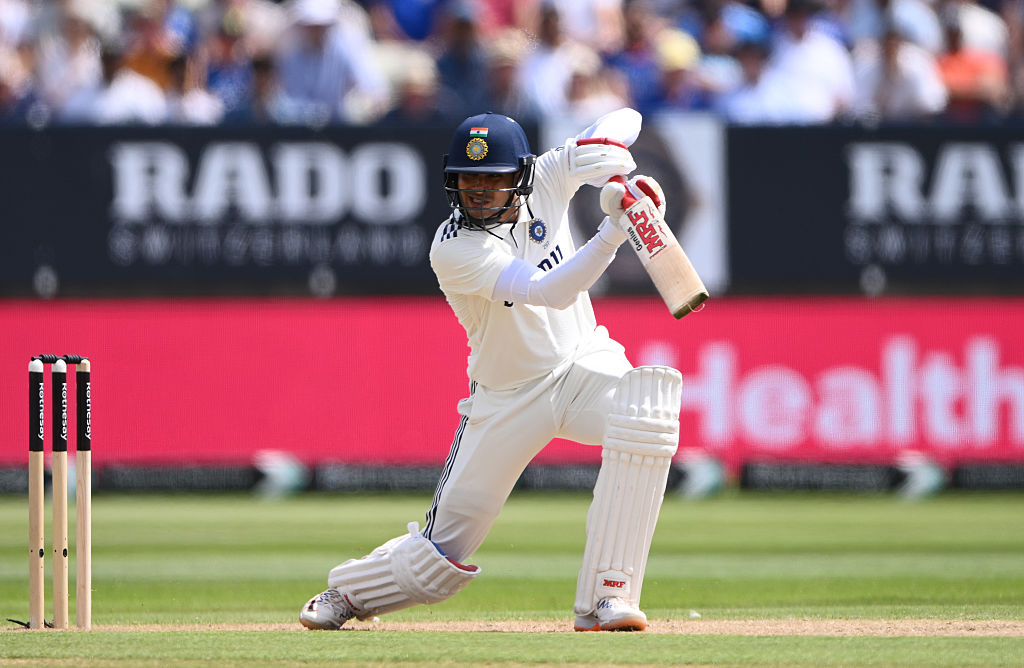
Though Virat Kohli stepped down from Test captaincy duties in 2022, his influence remained the guiding force behind the team's aggressive spirit and ‘never-say-die’ attitude until his very last day in whites. Following his Test retirement, Team India is apparently missing his fiery presence on the field and the psychological edge he provided against opposition teams.
As it’s been a year since Virat Kohli moved on from Test cricket, Team India has been adjusting to life without its most influential batter, seeking to rebuild the aggressive, high-intensity ethos he instilled, while new leaders like Shubman Gill try to fill the void in India’s middle order.