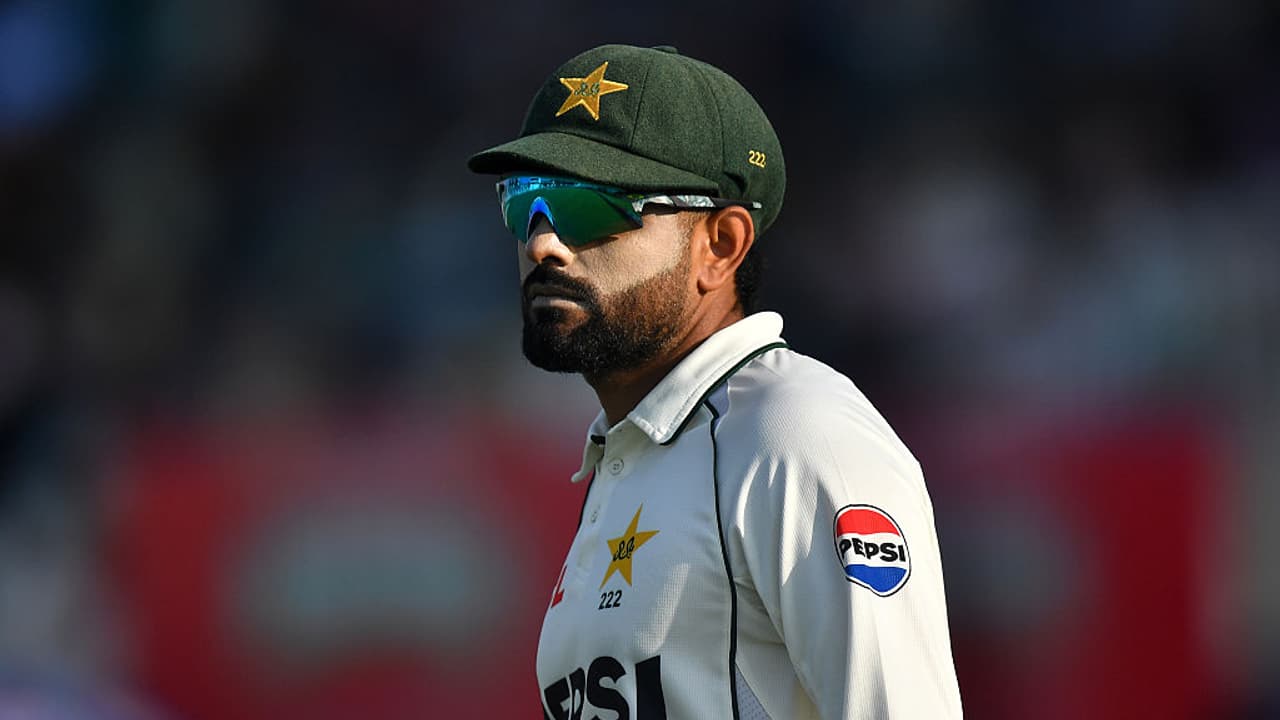
Babar Azam has been reappointed as Pakistan's Test captain, replacing Shan Masood. The move marks Pakistan's 10th captaincy change in 20 months, reigniting debate over whether Babar's return will finally bring stability or extend the team's leadership turmoil.
Pakistan star batter Babar Azam has returned to helm as a Test captain for the upcoming away red-ball series against West Indies and England. Pakistan will play a two-match Test series against the West Indies, starting on July 25, before touring England for a three-match series from August 19 to September 13.
Pakistan Cricket Board (PCB) selection committee decided to reinstate Babar Azam as a Test captain after sacking Shan Masood from the role following a period of persistent underperformance. Under Masood’s captaincy, Pakistan lost 12 matches in 16 Test outings, including the 0-2 whitewash at the hands of Bangladesh, resulting in a win percentage of just 25%.
Before the official announcement, it was already reported that Babar Azam would return as Pakistan’s Test captain, given the team’s desperate need for stability and experience following a string of historic defeats. As Pakistan languishes at the bottom of the WTC 2025-27 points table with a PCT of just 8.33%, the PCB has clearly opted for a ‘safe pair of hands’ to salvage their campaign.
Related Articles

Also Read: BCCI's Rajiv Shukla praises youngest debutant Vaibhav Sooryavanshi
What Led to Shan Masood’s Removal as Test Captain?
As the team of selectors announced the squads for the upcoming Test series against England and West Indies, Aaqib Javed, Pakistan’s high-performance director and a key member of the selection committee, addressed the decision to remove Shan Masood. He cited the combination of recurring tactical failures and an inability to close out matches as the primary drivers for the leadership change
“The captain has a responsibility to finish games. Same with the South Africa Tests at home. Some things are the responsibility of the team, some are the responsibility of the selectors, and some are the responsibility of the captain. The captain's responsibility also includes maintaining the team's over rate, taking DRS decisions, and making the right call at the toss." Masood said.
“Shan's own performance during his tenure has been good, but as captain, he has not been able to bring the desired results. We wanted to look for a captain who comes in and leads the team better,” he added.
Shan Masood’s Test captaincy tenure began with a challenging tour of Australia in late 2023, where, despite some gritty individual batting displays, the team ultimately failed to secure a win.
Throughout his 16-match leadership stint, Masood struggled to instill a consistent winning culture, and while he was often praised for his communication and tactical intent, the final scoreboards, including the series defeat against Australia, Bangladesh (twice), and England, made his position increasingly untenable as the PCB sought a fresh start under Babar Azam.
10 Pakistan Captaincy Changes in 20 Months
Babar Azam’s reinstatement as Pakistan’s Test captain has marked the 10th major leadership transition for the Pakistan cricket team since November 2023. Over the last 20 months, Pakistan Cricket has witnessed a carousel of leadership shifts across all three formats, moving through Babar, Shan Masood, Shaheen Shah Afridi, Mohammad Rizwan, and Salman Ali Agha in a frantic effort to restore form.
After Babar Azam stepped down from captaincy duties following Pakistan’s exit from the ODI World Cup 2023, there has been persistent instability. The board has cycled through multiple captains across formats in a series of reactionary moves, leading to significant criticism from fans and experts regarding the lack of long-term vision.
The last time Pakistan made a captaincy change was in October 2025, when the PCB selection committee removed Mohammad Rizwan as ODI captain and reappointed pacer Shaheen Shah Afridi to lead the 50-over side. The decision came ahead of the home ODI series against South Africa and was part of a broader shake-up aimed at resurrecting Pakistan's white-ball setup following a disappointing Champions Trophy 2025 campaign and an ODI series defeat to the West Indies.
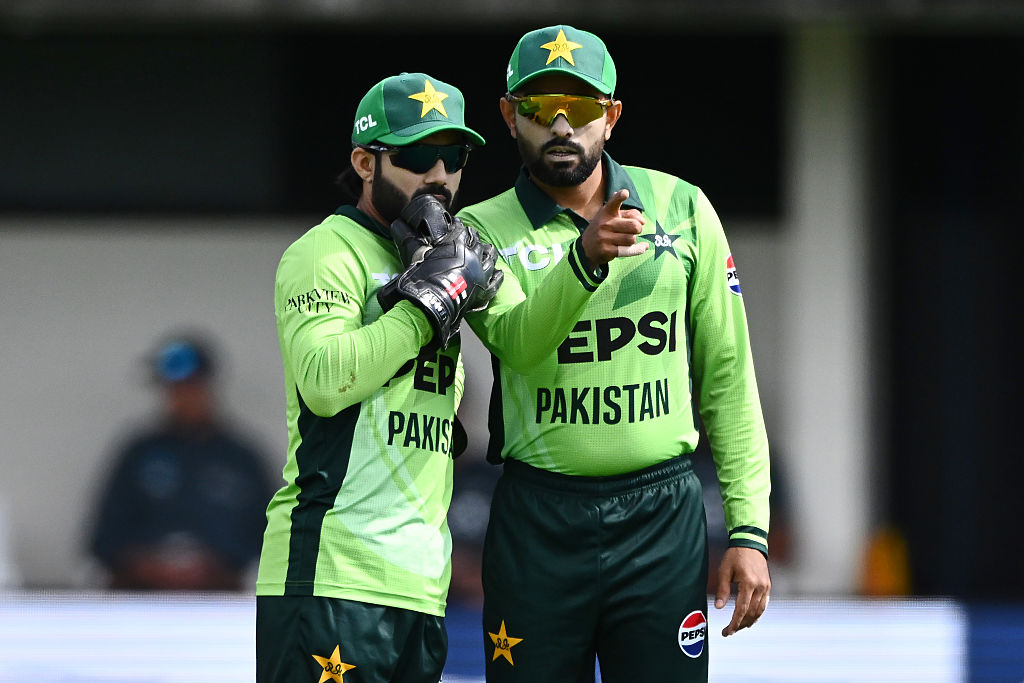
Babar Azam returned as captain for the T20 World Cup in 2024, but the campaign ended in disappointment after the team failed to progress beyond the group stage following a shock Super Over defeat to the USA and a loss to arch-rivals India. Following that early exit, Babar stepped back from captaincy duties, and since then, he hasn’t led the side in any format until his reinstatement as Test skipper.
From October 2024, with Babar’s resignation as a white-ball captain, to July 2026, the team has navigated a complex path of leadership appointments including Mohammad Rizwan (ODI/T20I), Salman Ali Agha (T20I), and Shaheen Shah Afridi (ODI), reflecting the board's ongoing, often turbulent search for a stable long-term leader.
Backing Mediocrity or Seeking Stability? The Debate Over Babar’s Return as Test Captain
The endless cycle of captaincy changes with the reappointment of Babar Azam as Test captain ahead of the series against West Indies and England has left the fans and cricket enthusiasts on social media, especially X (formerly Twitter), deeply divided.
Taking to their X handles, fans and cricket enthusiasts shared contrasting reactions. While a section welcomed Babar Azam's return, believing Pakistan had no better option to lead the Test side, many mocked the PCB's repeated captaincy reshuffles, likening them to a ‘musical chairs’ game.
Others questioned the board's long-term vision, criticised its handling of leadership changes, and argued that the constant chopping and changing reflected instability rather than a clear roadmap for Pakistan cricket.
Returning as a Test captain after nearly three years, Babar Azam has an arduous task in hand. With Pakistan currently sitting at the bottom of the World Test Championship table, the upcoming away red-ball series against West Indies and England will serve as a definitive test of whether this leadership change can spark a much-needed revival.
Babar Azam led Pakistan in 20 Tests, out of which it won 10, lost 6, and drew 4, with a win percentage of 50%, making him Pakistan's third-most successful Test captain after Waqar Younis (58.82) and Saleem Malik (58.33).