
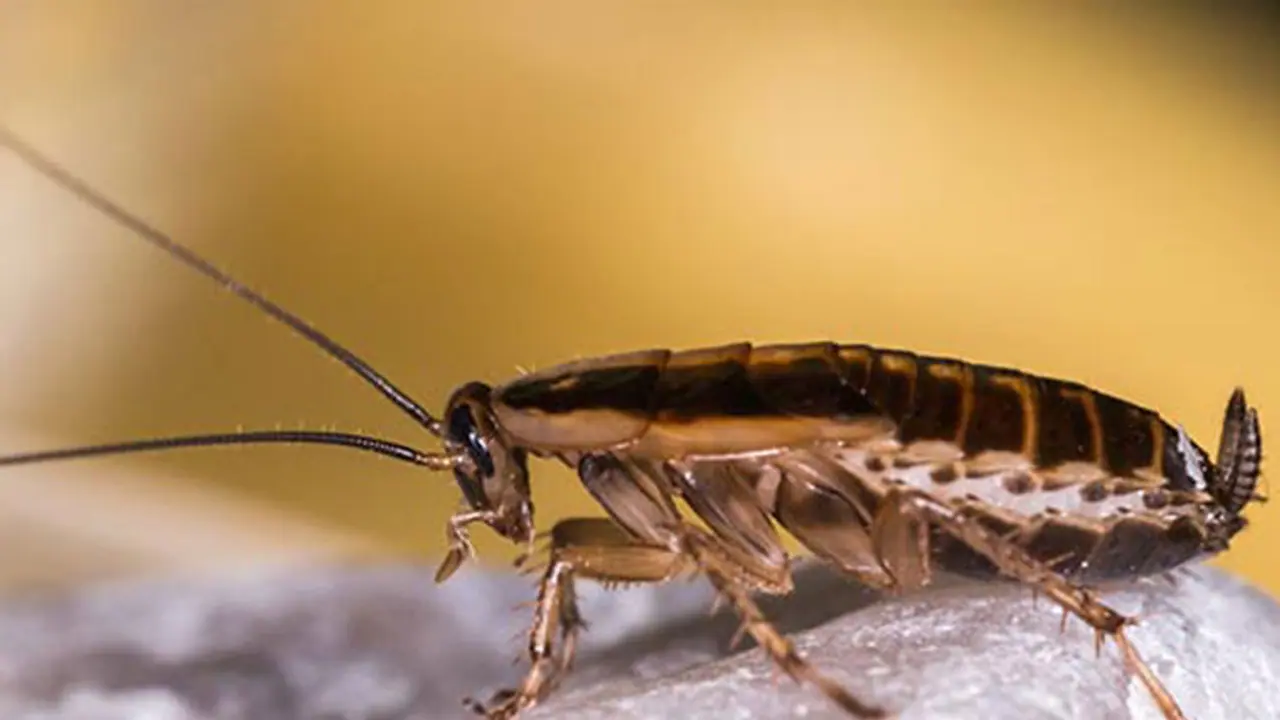
Milk like secretion produced by Pacific beetle cockroach is filled with with proteins, sugars and fats The shiny milk crystals spilling out of the gut of this cockroach could replace almond milk and dairy milk The crystalline structure gives them a unique time-release property that helps to keep people fuller for longer
Smooth and creamy milkshakes make a delicious sweet 'n savoury treat, and they come in various flavours. But, the newest addition to the family, the cockroaches milkshake, might not get your gastric juices flowing.
However, this might be the new super food and the next health craze of the mass as scientists vowes it to be a complete food, rich in proteins, sugars and fat. Researchers from the Institute for Stem Cell Biology and Regenerative Medicine states that milk of cockroaches, in fact, contains all the essential amino acids.
They are considered to be very stable and is hence believed to be a fantastic protein supplement. The researchers also find that the cockroaches milk is a calorically high and complete food which is time-released. The crystalline structure of proteins give a unique time-release property for the milk which is capable of keeping people fuller for a longer period, Sanchari Banerjee, a researcher said.
They swear the crystals doesn't taste like anything special.
Though scientists consider cockroaches milk as the most valuable tool to ease the global food production woes, milking cockroaches are not easy. Usually, cockroaches lay eggs and do not lactate, but a particular species called Pacific beetle cockroaches gives birth to live young and produce food for their offspring. The shiny crystal-like substance released from the gut of mamma cockroaches secrete is packed with protein, fats and sugars and researchers call it cockroaches milk.
The researchers also found that the scaffolding in the crystals appear to have fascinating characteristics and could be used to design nanoparticles which can be utilized for the delivery of drugs in the human body.
The research team is now working on a way to duplicate the milk production process in a laboratory setting.
