
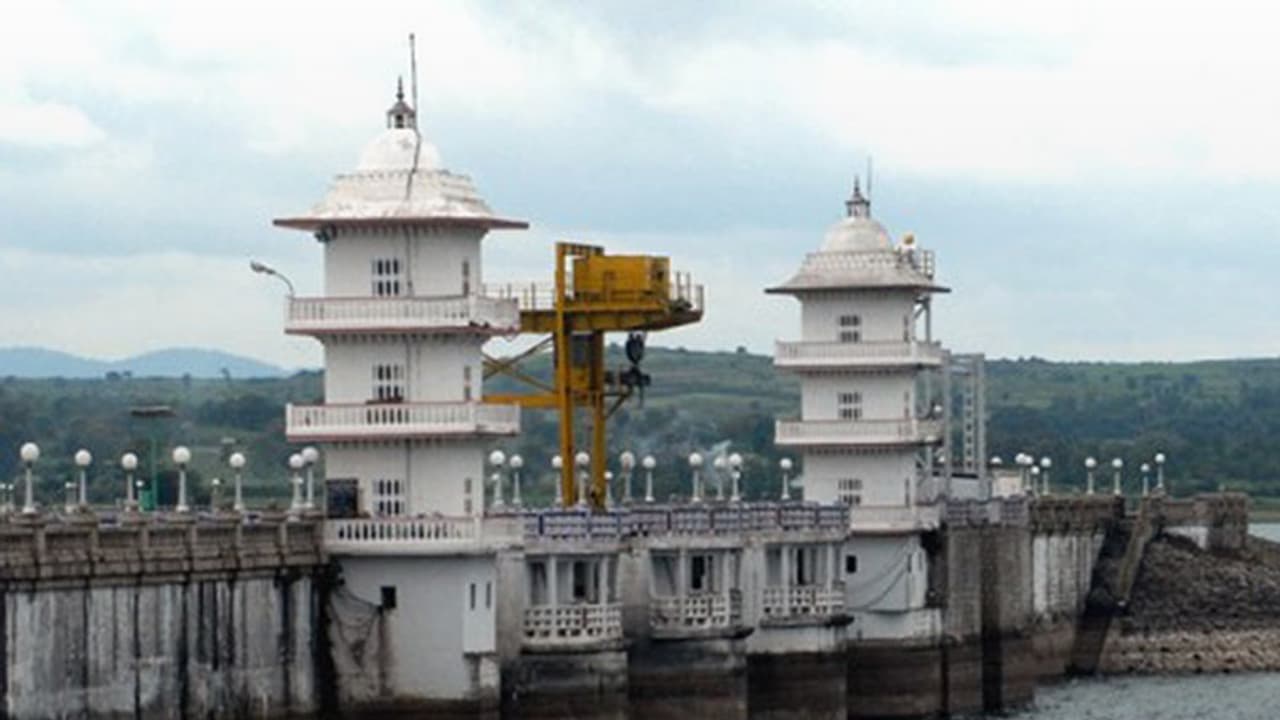
The water levels at Krishna Raja Sagar and Kabini reservoirs are hitting rock bottom. These two reservoirs are the primary source of water supplies to the city of Bengaluru. BWSSB has decided to dig more borewells to scrape the remaining ground water.
Though the residents of Bengaluru may be blissfully unware, the city is going to be hit by water crisis soon. The reason being that the water levels at the Krishna Raja Sagar and Kabini reservoirs are hitting rock bottom - literally. These two reservoirs are the primary source of water supplies to the city of Bengaluru.
Bengaluru Water Supply and Sewage Board (BWSSB) is left with little choice now. In a desperate move, they have decided to dig more borewells to try and suck out whatever little remaining ground water there is. The situation is certainly terrifying. But the fact that the BWSSB is not ready with any kind of contingency plan is, perhaps, not surprising.
Watch: 5 ways Bengaluru citizens can solve the water crisis
According to Karnataka State Natural Disaster Monitoring Centre (KSNDMC), Bengaluru needs 2 tmcft water every month. But the current situation of the Krishna Raja Sagar and Kabini water reservoir barely enough to cover that in any meaningful sense.
Reports of the KSNDMC suggest that the Krishna Raja Sagar storage was 5.932 tmcft compared to 17.11 tmcft in 2016. The total capacity of Krishna Raja Storage is 45.05 tmcft. On the other hand, Kabini dam has 2.32 tmcft currently, compared to 5.56 tmcft last year and its total capacity is 15.67 tmcft.
Evaporation and transmission losses are the main reasons so as to why the dams are drying up so quickly. The situation might get worse if the monsoon does not bring in enough rain in the calendar year.
Read More: Summer horror: Bengaluru staring at water crisis as dam levels plummet
BWSSB has confirmed that there are around 7920 borewells in the BBMP limits and among these 938 are non-functional. Therefore BWSSB are desperately trying to revive them as soon as possible.
“We might drill 200-400 borewells depending on the crisis and water demand. We did a survey of these borewells and found 938 to be non-functional. We will see if they can be revived,” BWSSB chairman Tushar Girinath was quoted as saying by the New Indian Express.
